
Reviewed · COOKING CLASSES
Cooking Class in Jaipur – Family Experience with Meal & Transport
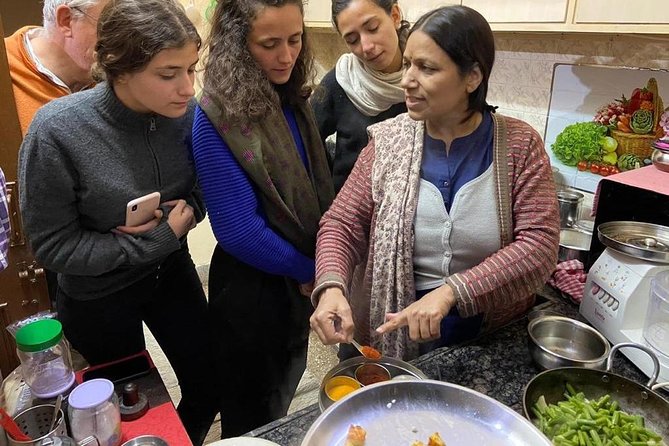
What makes this Jaipur cooking class interesting is the setup, hands-on cooking in a real local home with time to sit down and eat what you make. You are not just watching. You are learning how ordinary Indians cook, season, and plate.
I like two things a lot. First, the class keeps the group small, up to 8 people, so you get real guidance while you work. Second, you leave fed, because the program includes the meal plus drinks, not just a demo.
One thing to think about is that your exact dish mix depends on the class you book and what is seasonal. If you are hoping for a very structured, every-step-everyone-does-everything experience, you might need to bring a bit of flexibility.
Key things to know before you go
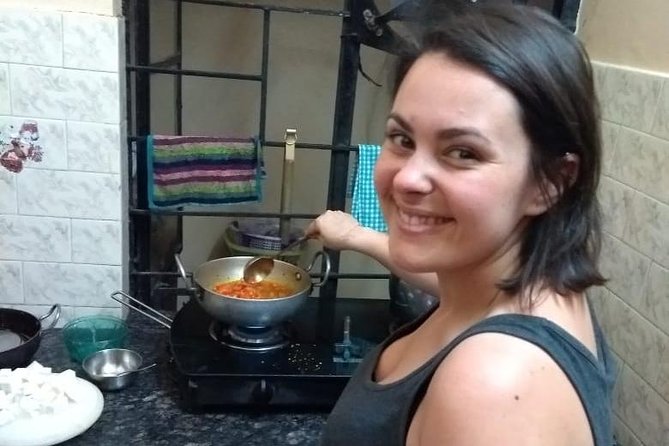
- Pickup and drop-off are included, which makes this easy to fit into a Jaipur day
- Max 8 people means more time with the chef and less standing around
- You cook multiple dishes, with options centered on roti, sabji, lentils, and dessert
- The meal is part of the lesson, so you eat alongside your host family
- You can request a dish, and they will try to teach what you want
- Clean, home-style teaching shows up again and again in people’s feedback
Why This Jaipur Cooking Class Feels Like a Real Home Dinner

This experience is built around a simple idea: cooking is easier to learn when it is tied to an actual kitchen routine and an actual dinner table. In Jaipur, that matters. You feel like you are visiting a home, not passing through a tourist attraction.
The class is also personal in a way many cooking tours never manage. You cook with your host chef and her family, and the tone tends to be warm and conversational. In feedback, people repeatedly point to that home welcome and the fact that they could ask questions while they cooked.
And you get practical value fast. Indian cooking is not just ingredients, it is timing, texture, and spice layering. When you are making roti, simmering lentils, and shaping a dessert like kheer, you stop guessing and start understanding.
More Cooking Classes in Jaipur
- Pink City Cooking Class
★ 5.0 · 452 reviews - Jaipur Market Tour & Vegetarian Rajasthani Home Cooking Class
★ 5.0 · 113 reviews - Interactive Cooking Class with a Local Family in Jaipur
★ 5.0 · 90 reviews
Price and Value: How $29.98 Adds Up in Jaipur
At about $29.98 per person, this looks inexpensive on paper. The value gets better once you line up what is included.
Here is what you typically get bundled in:
- Transport for pickup and drop-off
- A private home cooking class with a chef host
- Beverages, plus coffee and/or tea
- Lunch or dinner (or breakfast) depending on the slot you choose
- All taxes and fees
Most cooking classes charge extra for the meal, or they keep transport optional. Here, you do not have to solve the logistics. You also do not have to pay for the food you are learning to cook. That is the big win.
There are a couple of caution signs to keep your expectations grounded. One person felt the experience was pricey for the portion of hands-on cooking they received. Another mentioned they would have liked a drink sooner on arrival. In other words, it is not a factory class, it is a home setup, so the flow can be slightly uneven at times.
If you want value, aim for an approach like this: treat it as a home dinner plus a cooking lesson, not a strict culinary school. When you do that, the price starts to feel fair.
Getting Picked Up and Settling Into a Home Kitchen
You should expect pickup and drop-off to make the whole thing stress-free. The class runs about 2 hours, so efficient transport matters. You do not want to waste your evening timing a ride.
Once you arrive, you are brought into the cooking space and guided through what you will make. In past experiences with hosts like Raveena and Sharda, people describe the kitchen as super clean and the teaching as step-by-step. Some hosts also speak English well, which makes a difference when you are trying to understand spice levels and technique.
Two details help a lot:
- The class is capped at 8 travelers, so you are not lost in a crowd.
- You get chef contact details so you can reach out later if you try the dishes at home and have questions.
If you have a specific Indian dish you want to learn, ask ahead. They say they will be happy to take requests before joining, which is a smart way to personalize your time.
And one more practical note. This experience is near public transportation. So even if pickup timing is not perfect, you are not stranded far from help.
The 2-Hour Cooking Lesson: Roti, Sabji, Lentils, and Dessert
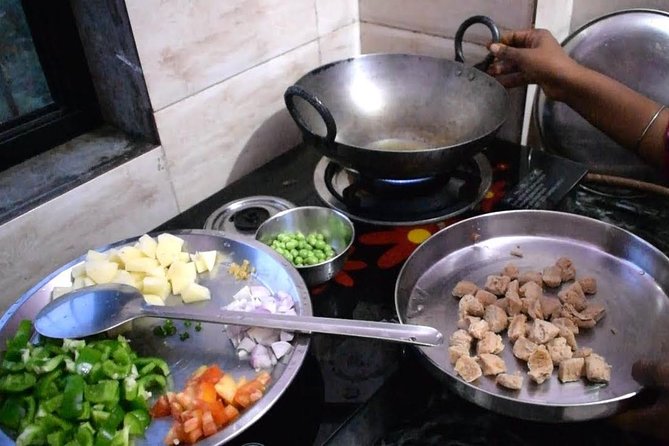
This is the core version, usually scheduled as lunch or dinner. You learn to make Roti (Chapati) plus a set of main dishes and a sweet.
A different shape of Jaipur day:
- Jaipur: Private Full Day Sightseeing Tour By Car with Guide
★ 4.9 · 1,839 reviews - 3-Hour Morning Bike Tour of Jaipur
★ 5.0 · 1,253 reviews - Jaipur: Private Full-Day Sightseeing Tour by Tuk-Tuk
★ 4.8 · 573 reviews - Jaipur: Full-Day City Tour with Car, Guide & Skip-the-Line
★ 4.8 · 512 reviews
What you likely cook
The class is designed so you cook any 4 items. The program notes that you can expect roughly 2 vegetables, chapati, and rice pudding as the dessert.
Common options include:
- Aloo Pyaaj Sabji (potatoes and onions)
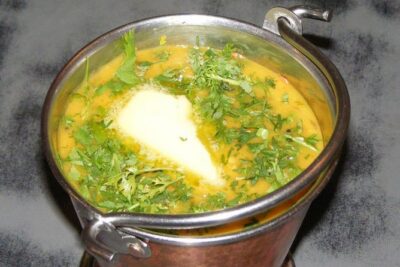
- Daal Fry (lentils)
- Chana Masala (chickpea curry)
- Khoya Paneer (paneer with reduced milk)
- Bhindi Masala or another seasonal vegetable
- Kheer (rice pudding)
Why these dishes teach you real technique
This menu is not random. It teaches you building blocks.
- Roti teaches dough feel and rolling consistency. You learn why some rotis puff and why others stay flat.
- Sabji or vegetable curry teaches frying spices and managing moisture, especially with potatoes and onions.
- Daal fry teaches simmering and seasoning. Lentils can go from perfect to bland fast, so you learn timing.
- Chana masala or paneer teaches thicker sauce behavior and balancing richness.
- Kheer teaches dessert texture. It is not just sweet, it is about reducing until creamy without scorching.
In reviews, people emphasize that they were involved at each step and that the final meal tasted excellent. That lines up with the idea that you are not just following instructions, you are doing the work.
How the class usually runs
Even without a minute-by-minute schedule, the shape is clear:
- Welcome and setup in the home kitchen
- Ingredient and spice guidance
- Cooking in parallel with the chef host
- Finishing and plating
- Sitting down together to eat
The whole point of the 2 hours is momentum. You want to get a finished meal out of it, and you do.
Hands-on time: you can control how involved you are
Most people will get meaningful participation because the group is small. Still, one review described a situation where participation was lighter, more watching than doing, with the recipe shared later. That is not the norm from the majority of feedback, but it is a reminder: if you want maximum hands-on time, speak up early. Ask where they need help and offer to start the next step.
Breakfast Option: Tea, Upma, Idli, Poha, and Paratha
If you book a breakfast learning slot, the dish list changes and the vibe shifts to lighter, morning-friendly cooking.
You can learn any 3 items from:
- Masala Tea
- Upma
- Idli
- Poha
- Aloo Paratha
- Vegetable Spring Roll
- Vegetable Cutlet
This is a great choice if you want:
- a faster path into street-style flavors (especially with masala tea)
- a mix of soft and crunchy textures (idli and poha, for example)
- more variety in technique within a short session
Also, breakfast lessons are often more forgiving for first timers. You get practice with spice comfort levels without the same heavy cooking time as some curries.
If you tend to get overwhelmed by heat and timing, you might find this version easier to follow.
Spice Levels, Comfort Food, and Eating Safely
You should expect spice in this menu, but it is still home-style food meant for families. In feedback, at least one person specifically said they had no stomach issues after eating the dishes, which is reassuring if you are worried about spice shock.
That said, spice does not always mean the same thing in every kitchen. Ask directly. A simple question like how spicy the dish will be can help you pace yourself. When you are the one cooking, you will also start to notice the difference between aroma spices and the heat spices.
Practical tip: during the class, taste as you go, but do not rush. Lentils and kheer are especially sensitive to timing. If you take one small bite during cooking, you learn faster than if you wait until everything is finished.
What Makes the Experience Work: Small Groups and Real Hospitality
The standout praise is consistent: people feel welcomed, taught with patience, and included in the process. Names that show up in feedback include Raveena and Sharda as hosts who guide guests through cooking steps and explain spices and history in a way that makes sense.
Two qualities come through again and again:
- Hospitality. You are not treated like a customer. You are treated like someone joining the family dinner.
- Clean, organized kitchen teaching. People note that the kitchen is tidy, which reduces anxiety when you are cooking with hands you are not used to using in a new environment.
This is also why transfers are such a big part of the value. If you have to negotiate rides, you lose time and energy. Here, you show up ready to cook.
Who Should Book This Cooking Class (and Who Might Pass)
This is a great fit for you if:
- you want an authentic, home-style cooking experience in Jaipur
- you like learning by doing, not by watching
- you want a filled-in meal plan without hunting restaurants afterward
- you are traveling in a small group or as a couple, because max 8 makes it feel personal
You might want to consider another option if:
- you want a highly formal cooking class where every guest does every step for every dish
- you are sensitive to spice and do not want to ask questions about heat levels
- you expect extras like a market tour. This experience focuses on cooking at the host home.
Also, if your cooking goals are very narrow, like you only want one signature dish, make sure you book a slot that matches what you want. The program describes learning multiple items, and you will likely get the best satisfaction when you treat it as learning the full meal.
Should You Book This Jaipur Cooking Class?
Yes, if your idea of a good cultural experience is simple: learn food the way locals cook it, in a small group, then eat it while you still remember what you did.
Book it if you value pickup included, a real-home setting, and a menu that covers the fundamentals: roti, one or two vegetable dishes, lentils or chickpeas, and kheer. That combo gives you enough technique to recreate the meal at home, not just the taste.
Think twice if you are going in with a strict expectation of full participation in every single step. Most people get involved, but a home kitchen can be fluid. If maximum hands-on control is your top priority, plan to be proactive in asking how you can help as soon as you arrive.
If you want a fun, low-stress way to understand Indian cooking beyond restaurants, this class is a very solid choice.
FAQ
Where does the Jaipur cooking class take place?
The experience is in Jaipur, India, in a local home setting.
How long is the cooking class?
The class lasts about 2 hours.
Is pickup and drop-off included?
Yes. Transport for pick up & drop off is included.
How many people are in each class?
There is a maximum of 8 people per booking.
What dishes are included in the lunch or dinner class?
For lunch and dinner, you learn any 4 items, typically including chapati (or puri) and rice pudding (kheer), plus options like daal fry, chana masala, khoya paneer, and seasonal vegetables such as aloo pyaaj sabji or bhindi masala.
What dishes are included in the breakfast class?
For breakfast, you learn any 3 items, such as masala tea, upma, idli, poha, aloo paratha, vegetable spring roll, or vegetable cutlet.
Are meals and drinks included?
Yes. Dinner and beverages are provided for the meal slots, and coffee and/or tea is included. Breakfast, lunch, or dinner is provided depending on what you book.
Do I need to tip?
Tips are not compulsory, but a good service driver tip is suggested at 200 to 500 Rupees.
Latest reviews in from Jaipur
- Jaipur Full-Day Tour by Car with Govt Guide★ 5.0 · 43 reviews
- Taj Mahal Tour from Jaipur by Car – Private Day Trip★ 5.0 · 43 reviews
- Jaipur Car tour with English driver★ 5.0 · 44 reviews
- Pushkar Day Trip from Jaipur – Private Car, Safari, Guide & Lunch★ 4.5 · 45 reviews
- Jaipur Private Full Day Tour w/ AC Car & Guide (Eng, Esp, Fr, It)★ 5.0 · 47 reviews
- Golden Triangle Tours★ 5.0 · 47 reviews
- Jaipur Day Tour★ 5.0 · 47 reviews
- Same Day Jaipur Tour By Car★ 5.0 · 47 reviews
Cooking Classes, compared.


Veg and Non veg : Private Cooking Class in Delhi home (7 meal)
Read our review →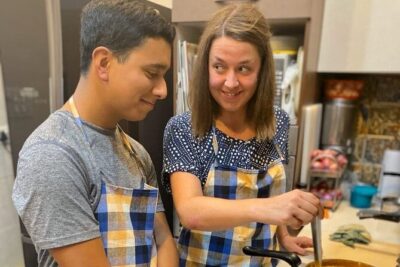
Indian Cooking Class in an Authentic Local Home – Learn 6 Dishes
Read our review →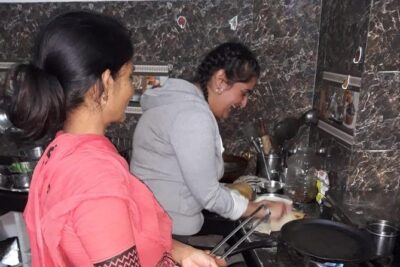
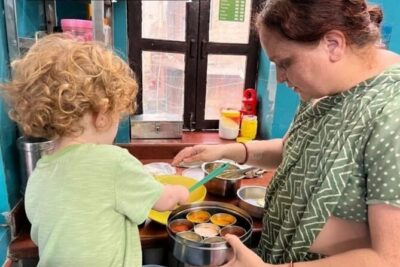
Private Guided Cooking Workshop Experience in Jodhphur
Read our review →
Jaipur Market Tour & Vegetarian Rajasthani Home Cooking Class
Read our review →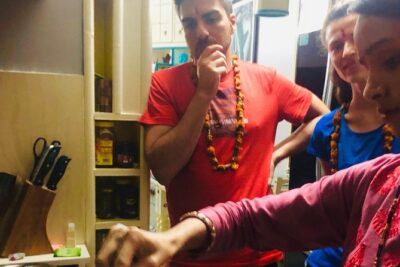
Interactive Cooking Class with a Local Family in Jaipur
Read our review →Browse the lists this tour appears in