
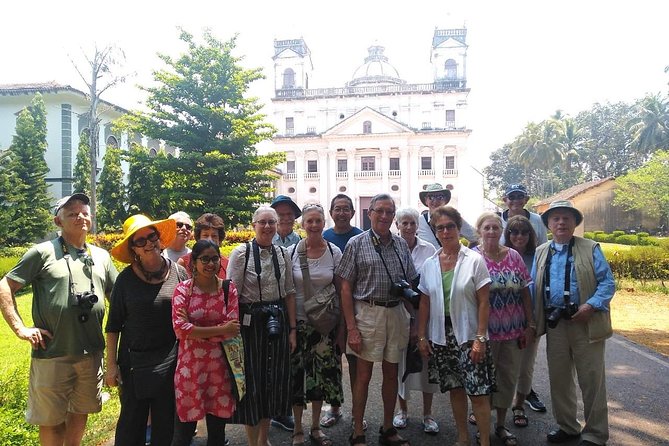
Reviewed · HERITAGE WALKS
Panjim Heritage Walk for a cultural immersion in Goa
Panaji can feel like a quick stop if you rush it. This 3-hour heritage walk turns the capital city into a real, walkable story, focused on the Portuguese influence you still see in street layout, neighborhoods, and landmarks. The pace is easy, and you get a guide to translate what you are looking at.
I like two things a lot. First, the tour is built for comfort and attention, with snacks to keep you going and a small group size (maximum 10), so you are not shouted past. Second, it is a no-frills route with no entry fees at the stops, so your money goes into the guide and the walk, not ticket booths.
One thing to consider is that this is still a walking tour. If the weather is bad, the experience can be canceled for poor conditions, so plan to have a flexible day and sensible shoes.
Key Things That Make This Panaji Walk Worth Your Time
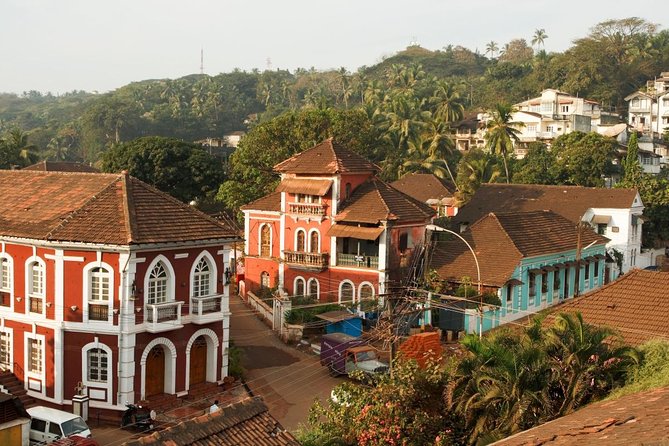
- Fontainhas Latin Quarter starts you in the oldest Portuguese-style residential streets.
- Sao Tome Old Quarter ties neighborhood squares to tobacco trade, policing, customs, and mint functions.
- Maruti Temple is a short, meaningful stop focused on Lord Hanuman.
- Church of Our Lady of the Immaculate Conception connects a 1541 sailor hill church to scenes you may recognize from Bollywood.
- Small group up to 10 means questions get answered, not delayed.
- Snacks plus coffee or tea keep the three hours from turning into a hangry shuffle.
Why a Panjim Heritage Walk Beats Reading Signs Alone
If you only do a quick photo tour in Panaji, you miss the part that makes the city click. The streets and buildings are the main characters here, but the stories are what make them understandable. This is why I think a guided walk is such a good match for Panaji.
The tour is also practical. You get a professional guide, coffee or tea, and snacks, and you visit several recognizable highlights without adding extra admission costs. And because you are walking in a compact loop, you get continuity. One stop feeds the next.
The vibe is also more personal than big-group city buses. With a maximum of 10 travelers, you can ask what something means, and the guide can adjust the pace if you are lingering to look at architecture or street life.
More Heritage Walks in Goa
- Fontainhas Heritage Walk by Make It Happen
★ 5.0 · 2,834 reviews - Old Goa Heritage Walk by Make It Happen
★ 5.0 · 797 reviews - Fontainhas Heritage Walk At Latin Quarters of Goa
★ 5.0 · 531 reviews
Fontainhas Latin Quarter: Portuguese Streets, Portuguese Power, Portuguese Life
You begin in Fontainhas, the Latin quarter of Panaji. This neighborhood was designed for Portuguese bureaucrats and their servants, and that detail matters. The layout and the feel of the area make sense when you know it was planned for a specific community, not built by random growth.
Here is what I’d watch for as you walk. Look at how the quarter functions as a residential space. Street corners, building edges, and small vantage points all tell you something about how people lived and worked back then. A heritage walk should help you connect the dots between form and function.
A key advantage of starting here is chronology. The information you get early in the walk gives you a foundation for the rest of the route, especially when the tour shifts from residential Portuguese influence into other neighborhood histories.
Practical note: Fontainhas can be visually packed, so bring a phone with enough battery. You may want to reference the details your guide points out later.
Sao Tome Old Quarter Square: Tobacco, Trade, and Civic Roles
From Fontainhas, you move toward the Sao Tome Old Quarter and its main square. This is one of those places where a neighborhood name becomes a clue. The square got its name from tobacco trading over the river. That single fact turns what might look like an ordinary urban square into a trace of economic history.
The tour also frames how that role changed over time. Later, the square served as police headquarters, and it was linked to customs and mint activity. That is a big shift, from trade to enforcement and administration. It is the kind of evolution that you cannot easily spot just by walking past buildings on your own.
What you should take away at this stop is the idea that cities run on changing needs. When your guide explains tobacco trade over the river, then moves into policing, customs, and mint functions, you start seeing the square as a system. It was a place where power and commerce met.
The stop is also short (about 30 minutes), which is a good balance. You get enough time to understand the storyline without the walk turning into a lecture marathon.
Maruti Temple Stop: A Quick Cultural Pause for Lord Hanuman
Next up is the Maruti Temple, dedicated to Lord Hanuman, known as the monkey God. This stop is brief, around 15 minutes, but it adds an important ingredient to the day. It brings religion into the picture, not just architecture and neighborhood history.
If you want a practical way to enjoy this part, keep your eyes open for how the temple setting feels in daily life. Even for a short stop, you can notice the contrast between sacred space and the nearby street rhythm of Panaji.
A drawback of short temple stops is that you cannot linger as long as you might want. Still, as part of a 3-hour heritage walk, it works. It gives you a reset point, a moment to slow down, and a clearer understanding of Goa as a place shaped by different cultures and faiths.
More Historical Tours in Goa
- Panaji: Heritage Walk through Goa’s Latin Quarter
★ 4.8 · 291 reviews - Heritage Houses of Goa-Chandor by Soul Travelling
★ 5.0 · 199 reviews - Private Aguada Jail Heritage Walk Tour
★ 5.0 · 102 reviews - Old Goa: Walking Tour of Heritage Churches
★ 4.9 · 81 reviews
Church of Our Lady of the Immaculate Conception: 1541, Sailors, and a Bollywood Connection
The tour ends with the Church of Our Lady of the Immaculate Conception, a landmark that many people recognize because it is often used to represent Goa in Bollywood films. That is not just trivia. It is a shortcut into how this church sits in the visual imagination of the outside world.
What makes this stop especially worth it is the timeline your guide shares. The church was constructed on a hill in 1541 for sailors, after demolishing a temple. That one detail explains why the church is positioned the way it is. It is linked to movement, sea travel, and the needs of people traveling for work and survival.
Also, hills in Panaji give you built-in perspective. Even if you do not get a long viewpoints break, you likely notice how the elevation changes the feel of the space. It is the kind of setting where you can mentally map the city as you look.
This stop is about 30 minutes. That is enough time to understand the story and take in the scene, without having to stretch your whole afternoon.
Snacks, Timing, and Small Groups: Getting the Most From 3 Hours
This experience is about 3 hours long, so it is ideal for a half-day block that still feels complete. You are not trapped all day, but you do get multiple neighborhoods and two major landmarks.
A practical perk is the food. Snacks are provided to keep you fueled, and coffee or tea is included. That might sound basic, but it changes the whole experience. You can listen better, ask more questions, and walk longer without feeling like you are running on adrenaline and hope.
The small group size matters too. With a maximum of 10 travelers, you tend to get real interaction. Guides can respond to what people notice, and you are more likely to get specific explanations rather than generic talk over everyone’s heads.
The walk starts near a municipal garden area, so you are also in the right zone to regroup before or after your tour. After the final stop, it ends back at the meeting point, which saves you time figuring out how to connect to your next plan.
Is $30 Good Value for This Panaji Heritage Walk?
For $30 per person, you get far more than a route. You are paying for a professional guide, included snacks, and coffee or tea, plus entrance charges. And the itinerary’s stated stops do not require entry fees.
So where does the value land? It lands in interpretation. Paying for a guide is about saving your brain from turning into a jumbled map app. A good guide turns street details into understandable context, and you get multiple stops in one compact session.
Also, the tour uses a mobile ticket and offers group discounts. If you are traveling with friends or family, it can feel like a smart way to keep costs controlled while still getting personalized attention.
The main thing that would lower value for you is if you expect long, museum-style time. This is a walking heritage experience, not a deep, all-day archival session. If you like moving through places while learning what you are looking at, the price makes sense.
What You Should Expect at Each Stage of the Walk
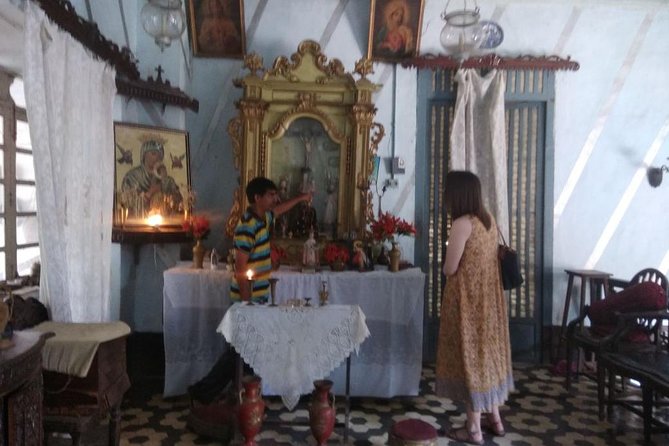
Here is the day in a simple rhythm:
You start at the Garcia de Orta meeting point near the Municipal Garden area in Panaji. From there, the route builds from Portuguese residential streets (Fontainhas) into a civic and trade story (Sao Tome) and then balances it with sacred landmarks (Maruti Temple and the church).
Each stop includes guided context and a brief viewing window. That means you should expect a mix of walking time and short pauses, not long stays. If you love quick, focused cultural stops with explanations, you will fit the format well.
What you should do to make it easier on yourself is come with your day planned around weather and comfort. Bring water if you need it, wear shoes you can walk in for a few hours, and be ready for some steady steps between locations.
Who This Tour Fits Best in Your Goa Plan
This is a strong choice if you want to understand Panaji beyond beaches and nightlife. It works well for:
- First-timers in Goa who want the city context in a manageable time window
- Travelers who like Portuguese-era influence and want to see where it shows up in everyday streets
- People who prefer small-group learning over large, rushed tours
- Anyone who appreciates short, guided stops that keep momentum
If you hate walking in crowds or you expect a lot of free time at each site to roam alone, you may feel constrained. But if you like structure and you want someone to connect the dots, this is a good match.
Should You Book the Panjim Heritage Walk?
I’d book it if you want a smart Panaji orientation that does not eat your whole day. The combination of small group attention, snacks and coffee or tea, and stops tied to Portuguese neighborhood design, tobacco trade origins, Hanuman worship, and a 1541 sailor church gives you a lot of story per hour.
Skip it only if you are looking for a long, sit-down, museum-style experience with lots of independent time at each stop. This walk is designed to keep moving and keep learning.
If you have one day where you can handle good walking weather, this is the kind of cultural activity that helps Panaji click fast. Book it, wear comfortable shoes, and let the guide do the heavy lifting on what you are seeing.
FAQ
How long is the Panjim Heritage Walk?
The tour is about 3 hours.
How much does the tour cost?
It costs $30 per person.
How many people are in a group?
The maximum group size is 10 travelers.
What is included in the experience?
It includes a professional guide, coffee and/or tea, snacks, and entrance charges.
Are there entry fees for the sights?
No entry fees are required for the listed stops.
Where is the meeting point?
The meeting point is Garcia de Orta (near Municipal Garden), Panaji, Goa 403001, India.
Does the tour include pickup and drop-off?
No pickup and drop-off is included.
Is there a mobile ticket?
Yes, the tour uses a mobile ticket.
What happens if the weather is bad?
The experience requires good weather. If it is canceled due to poor weather, you will be offered a different date or a full refund.
Is cancellation free if I change my plans?
Yes. You can cancel up to 24 hours in advance for a full refund.
More Walking Tours in Goa
- Food And Drink Walking Tour In Panjim
★ 5.0 · 286 reviews - Panaji: Heritage Walking Tour in Fontainhas Latin Quarter
★ 4.9 · 31 reviews - Fontainhas Heritage Walk With Guide Mario
★ 5.0 · 29 reviews - Panjim: Guided Walk Tour of Portuguese-Influenced Goa
★ 4.6 · 26 reviews
Latest reviews in from Goa
- Margao City Food Trail by Make It Happen★ 5.0 · 16 reviews
- Capital City, Churches & Forts Of Goa, Old Goa Churches, Panaji City.★ 5.0 · 18 reviews
- Goa Kayaking in Spike’s River★ 5.0 · 20 reviews
- Private Portuguese Heritage Tour: Se Cathedral, Basilica of Bom Jesus and Dona Paula Beach in Goa★ 4.5 · 21 reviews
- Mangroves Magic Goa Kayaking Experience★ 5.0 · 21 reviews
- Goa Kayaking Spike’s Salonia Backwaters Kayaking Experience★ 5.0 · 24 reviews
- 3-Day Private Taj Mahal, Agra and Delhi Tour from Goa or Mumbai★ 5.0 · 26 reviews
- Fontainhas Heritage Walk With Guide Mario★ 5.0 · 29 reviews
Heritage Walks, compared.


The Great Indian Food Tour: Old Delhi Food and Heritage Walk
Read our review →
Fontainhas Heritage Walk At Latin Quarters of Goa
Read our review →
Private Heritage Walking Tour in Jaisalmer Fort and Old Bazaar
Read our review →

Browse the lists this tour appears in