
Reviewed · DARJEELING TOURS
Tea Pluckers’ Day
Tea Pluckers’ Day in Darjeeling is interesting because it turns you from a spectator into a participant in the tea world. Starting in the morning and stretching toward evening tea, you get a close-up, behind-the-scenes look at how Darjeeling tea is grown, picked, processed, and tasted, with a day’s worth of tea talk built in.
I love two parts of this day. First, the focus on the tea garden experience, from walking the estate to seeing tea plucking firsthand. Second, the tea tasting and the way lunch comes with unlimited tea, so you can keep asking questions without watching the clock. If you’re picky about schedules, one consideration is that the exact estates and activities can depend on real-time availability and you’ll also want decent weather for the day to run smoothly.
Quick hits: tea estates, factory stops, and real tea craft
- A full tea-day rhythm from packed breakfast into lunch and tasting, so you feel the pacing of the workday.
- Tea garden walking plus a forest hike when included, which adds air, views, and a break from just standing around.
- Heritage estates on the route like Ging Tea Estate (established 1864) and Mim Tea Estate tied to the Scottish Andrew and Yule Company Ltd.
- A factory visit with tasting at Turzum and Sungma, where you get a structured look at processing and flavor.
- Guides who actually connect the dots. In past days, people highlighted guides like Sunny and Amit, plus driver Kewal for making the day feel easy.
Tea Pluckers’ Day in Darjeeling: a 5-6 hour day that feels longer in the best way
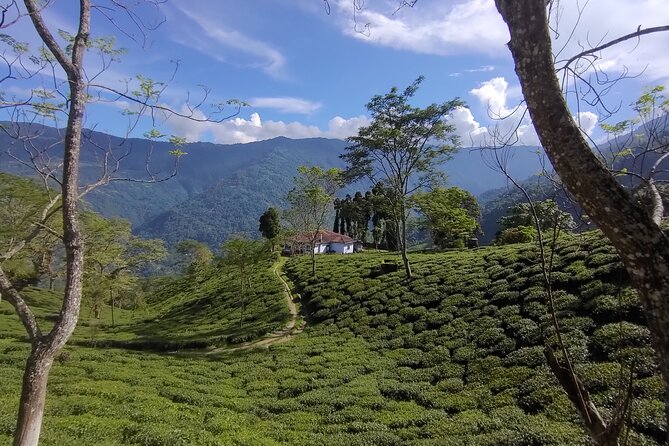
This is a 5-6 hour experience that’s built to feel like you’re “in” tea country, not just passing through it. The day starts at 8:30 am, and you’re moved by private transportation, which matters because Darjeeling’s best tea scenery sits outside town.
Your route can include multiple tea gardens and estate moments, plus at least one serious tea stop like a garden visit and a tea factory. Even with a short total time, the structure tries to cover the basics you’d want for understanding Darjeeling tea: how the bushes are grown, what the picking looks like, how the tea is processed, and how flavor is explained through tasting.
The biggest value here is context. You’re not just tasting tea, you’re seeing the chain of work behind it. If you’re the type who enjoys details, you’ll appreciate the guided storytelling. If you’re more “show me, then let me relax,” you’ll still get plenty of time to stroll, look, and take it in between stops.
Line these Darjeeling options up side by side
- 4Nights 5Days Sikkim Package
★ 4.5 · 114 reviews - Singalila Trek from Darjeeling
★ 5.0 · 79 reviews - Darjeeling Tonglu Day Trek
★ 5.0 · 62 reviews
Pickup at 8:30 and the drive out of town: why private transport is part of the experience
Pickup is offered, and the whole format is private transportation for your group. That means you spend less time figuring out how to get to hill estates and more time on the actual tea day.
Leaving town matters in Darjeeling. The best tea views and the most authentic estate atmosphere come when you’re away from the main tourist center. The tour is designed to take you to a tea garden or estate far enough from town that the morning feels like a real shift from city life into workday rhythm.
You’ll also want to know that this tour is geared for most people and is described as requiring good weather. When weather cooperates, you get the full benefit of walking and enjoying the outdoor parts. When it doesn’t, the operator may offer a different date or a full refund, which is a big deal for an outdoor day.
Entering tea garden life: tea plucking focus and what you’re really watching
The day begins with a tea garden setting, often framed as a “view” stop first. This is where I think the day’s tone gets set: you’re looking at tea bushes in their natural habitat, not behind a counter.
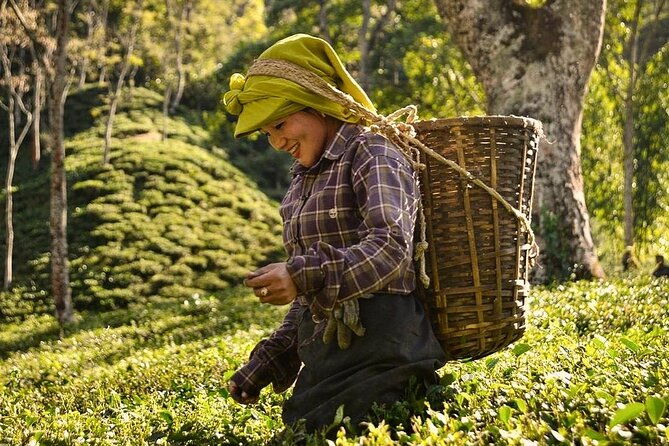
From there, tea gardens and tea estate time can include a walk through the property, a look at plantation areas, and time to observe how tea bushes are tended. One of the strongest parts of the experience is that you get to see tea being plucked, the kind of hands-on moment you don’t get on most casual tours.
If you need it, walking sticks are included. That’s a small line item, but it can change how comfortable you feel during estate walks and uneven garden paths. It also makes the day more “doable” if your legs are not thrilled about steep terrain.
A practical note: this is an outdoor, moving day. You’ll enjoy it most if you’re okay with steps, short walks, and looking down and up as the guide explains how the tea work fits together.
Ging Tea Estate (est. 1864): heritage tea that still runs on human hands
One of the stops that often anchors the day is Ging Tea Estate, established in 1864 and located in the Lebong hills. This matters because it signals a long-running tea operation, not just a scenic farm stop.
What makes Ging-style estates especially interesting is that the visit is not only about rows of bushes. You may pass through estate areas that connect tea work to daily life, like spaces linked to community needs such as a dispensary and a school. In plain terms, it helps you understand how tea estates function as villages, not just production sites.
If you’re traveling with a guide who knows how to pace explanations, this can be the kind of stop where you learn without feeling lectured. A previous highlight from a guide named Sunny was the flexibility and the way she explained customs as the group moved between different points of interest, including factory-linked stops.
Potential drawback to keep in mind: if your day happens on a day when pluckers rest, the plucking focus may feel lighter. In particular, one experience note suggested Sunday can be tricky because tea pickers may take a day off. You can still see the tea world, but the “live plucking” energy can change.
A different shape of Darjeeling day:
- Sikkim Darjeeling – North East India 7 Nights 8 Days Tour
★ 4.5 · 56 reviews - Singalila Ridge Trek from Darjeeling – 6 Days
★ 5.0 · 56 reviews - Colonial Heritage Walking Tour in Darjeeling
★ 5.0 · 55 reviews - Day_Trippers (Darjeeling Full Day Tour).
★ 5.0 · 54 reviews
Forest hike and estate walks: the day’s calm counterweight
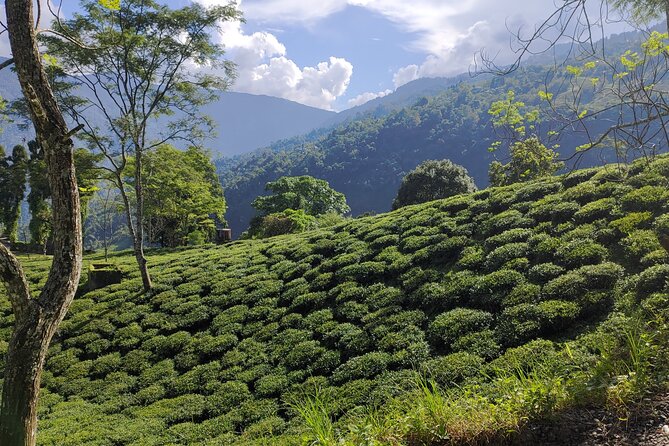
Between estate stops, the tour may include a forest hike and also a walk through the estate. This is one of the best ways to balance the day. Tea talk can get technical, and tea gardens can get repetitive if you’re only staring at bushes. The hike adds a different kind of attention: trees, air, and views that make the entire process feel anchored in place.
This portion also helps you appreciate why these gardens exist where they do. Darjeeling’s tea isn’t just an industrial product. It grows out of a specific hill setting, which is part of what guides try to translate into a flavor story.
On days with rain, the tour has run even during monsoon conditions in the past, with guides praised for keeping care and attention on the group. That said, since the experience requires good weather, it’s smart to accept that rain can change the day. When it does, you still get a structured experience, just with a different emphasis.
Tea factory visit at Turzum and Sungma: where the tasting makes sense
A key highlight is the tea processing side, including a stop at Turzum & Sungma Tea Factory. This is where the day shifts from the garden into what most people never see: the transformation from picked leaf to the teas you drink.
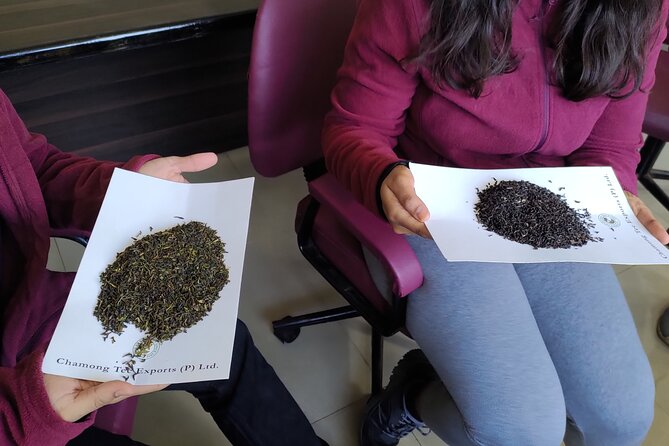
The tour format includes an elaborate tea tasting, and that tasting lands better after you’ve seen at least part of the processing chain. Instead of just guessing what’s different between cups, you’re more likely to understand how the leaf treatment affects flavor and character.
The day is also designed with meals that keep you fueled. Lunch is included, and it comes alongside unlimited teas and bottled water, which makes the tasting feel relaxed rather than rushed. You can keep going back to the flavors you like and ask why they taste the way they do.
If you’re a tea lover who cares about the craft, this factory plus tasting pairing is one of the most “worth paying for” elements of the day, because it ties emotion (the beauty of the gardens) to explanation (the production process).
Rangaroong to Tumsong: how each garden adds a different flavor of Darjeeling
This tour can take you through a range of tea gardens, and each one has its own angle. I like this approach because it prevents the day from feeling like a single repeat photo spot.
Here’s what you should look for in the different gardens named in the experience:
Rangaroong Tea Garden
Rangaroong is described as one of the more unexplored tea gardens, positioned between the Senchal West Forest Range and Darjeeling town. If you like quieter, less cookie-cutter estate settings, this stop can feel like a slower-moving side of Darjeeling tea.
Pubong Tea Garden
Poobong (Pubong) dates to the mid 19th century. It also has a Poobong Tea Room add-on attraction, which is the kind of detail that turns the garden stop into something more than a walk and back-to-the-van moment.
Soom Tea Garden
Soom is known for serene natural beauty, and the name is described as a Lepcha word meaning triangle. The estate is linked to a unique habitat and you can find cherry blossoms, tall pine, and rhododendron trees. Even if you don’t memorize botany, you’ll notice the garden feels different from the more open-looking plantations.
Chamong Tea Estate Garden
Chamong is described as widespread and diverse, producing unique qualities of organic teas. If organic matters to you, this is the kind of stop that helps explain why Darjeeling’s tea reputation isn’t only about name brands.
Tumsong Tea Retreat
Tumsong Tea Retreat is presented as a beauty-and-heritage focused experience. This sounds like a “slow down and enjoy the setting” stop, which is good for the middle of a long tea day.
Ringtong Tea Garden
Ringtong is known for quality plucking and has a reputation for quality export teas over time. If you like the “where quality gets made” story, Ringtong is built for that.
Phubsering (Phoosbering) Tea Garden
Phoosbering is described as one of the oldest tea estates in the Darjeeling hills, with a distinctive quality of organic tea. This is another stop where age and method are part of the narrative.
Tukvar Tea Garden
Tukvar offers a view of the lesser Himalayan hills and there’s even mention of hiking down to the river following the tea experience. If you enjoy a bit more movement, this is the garden stop that can add extra variety to the day.
Makaibari Tea Garden
Makaibari is described as one of the oldest organic tea estates and a combination of nature, history, and heritage. If you want a “old estate, strong tea identity” feeling, this is the name to watch for.
This spread of stops is also where you should be realistic. With a 5-6 hour total length, you might not get the same time at every garden. The trade-off is variety, which I think is the right choice for first-time Darjeeling tea visitors.
What you actually get for the price: value beyond the ticket
The price is $85.11 per person, and on average the experience is booked about 23 days in advance. That timing matters less than the package itself.
Here’s why I think the value can work out well for many people:
- Private transportation means you avoid the hassle and time cost of figuring out hill estate transport on your own.
- All fees and taxes are included, which reduces surprise costs at the gate or on the day.
- Lunch is included, and it comes with unlimited teas and bottled water, which keeps you comfortable through the day.
- Tea tasting is included, and not as a token sip. The experience is described as an elaborate tasting.
- Tea garden and tea estate visits are included, so you’re not just paying for driving plus photos.
If you were to DIY this, you’d likely spend time coordinating transport, paying separate entry points, and then still trying to connect processing to flavor without a guide. This tour tries to solve that in one shot.
So the “value question” comes down to you. If you want tea craft context plus a guided tasting plus a full day of walking and views without planning, this price can feel fair.
Who should book, and who might want to skip it
I’d book Tea Pluckers’ Day if you:
- Love Darjeeling tea and want to understand where the taste comes from.
- Prefer guided craft explanations over reading a brochure.
- Want a structured day that includes tea gardens, a tea factory, tea tasting, and lunch without extra steps.
I’d think twice if you:
- Need a very light, low-walking day. Even with walking sticks if required, it’s still a day with outdoor movement.
- Want a strict itinerary that guarantees every single estate stop listed. The experience notes that real-time availability affects which partner gardens you visit.
Should you book Tea Pluckers’ Day?
If your goal is a memorable Darjeeling tea day that goes beyond tasting, I think this is a strong pick. You’re getting a garden-to-factory arc, plus an actual lunch and tasting setup that makes it easy to linger with the guide.
The best move is to book with a mindset of flexibility. Expect weather and estate availability to shape the exact mix of gardens you visit. If you’re traveling on a Sunday, keep in mind that tea pickers’ rest days can affect how much plucking you see in action. But even with those variables, the day’s core value, tea craft plus guided tasting plus estate walking, is exactly what most visitors are looking for.
FAQ
What time does the tour start?
The experience starts at 8:30 am.
How long is Tea Pluckers’ Day?
It runs for about 5-6 hours.
Is hotel pickup included?
Yes, pickup is offered, and the tour includes private transportation.
What meals and drinks are included?
Lunch is included, along with unlimited teas and bottled water. The day also includes a packed breakfast.
Is tea tasting included?
Yes. The tour includes an elaborate tea tasting.
Do I visit tea gardens and a tea factory?
Yes. The experience includes tea garden and tea estate visits, and it also includes a tea factory visit stop at Turzum and Sungma.
Is this tour private?
Yes. It is a private tour/activity, meaning only your group participates.
Are admission tickets included?
Admission tickets are included for some estates on the route, and the experience includes tea garden and tea estate visits overall.
What happens if the weather is poor?
This experience requires good weather. If it’s canceled due to poor weather, you’ll be offered a different date or a full refund.
Can I cancel for a full refund?
Yes. You can cancel up to 24 hours in advance of the experience for a full refund, with the cutoff based on local time.
Latest reviews in from Darjeeling
- Private Calcutta Tour With Guide and Authentic Bengali lunch★ 5.0 · 26 reviews
- Explore North East India – Darjeeling Sikkim Road Trip★ 4.5 · 37 reviews
- Day_Trippers (Darjeeling Full Day Tour).★ 5.0 · 54 reviews
- Colonial Heritage Walking Tour in Darjeeling★ 5.0 · 55 reviews
- 4Nights 5Days Sikkim Package★ 4.5 · 114 reviews
- Sikkim Darjeeling – North East India 7 Nights 8 Days Tour★ 4.5 · 56 reviews
- Singalila Ridge Trek from Darjeeling – 6 Days★ 5.0 · 56 reviews
- Darjeeling Tonglu Day Trek★ 5.0 · 62 reviews
Darjeeling Tours, compared.


Sikkim Darjeeling – North East India 7 Nights 8 Days Tour
Read our review →

Day_Trippers (Darjeeling Full Day Tour).
Read our review →
Explore North East India – Darjeeling Sikkim Road Trip
Read our review →Browse the lists this tour appears in