
Reviewed · HISTORICAL TOURS
The Hipster Chandigarh Architecture History Tour
Chandigarh is one of those rare places where planning, architecture, and daily life are tightly linked. This tour takes that idea seriously, with insider access to major Le Corbusier and Pierre Jeanneret landmarks plus a second day that mixes civic sites with calmer, more local spaces around the lake and markets.
I love the hands-on feel of the itinerary, where you move from the symbolism of the Open Hand to the practical study of sun and shade at places like the Tower of Shadows. I also like the guide background: Rusty is a journalist and a third-generation Chandigarh local who has lived the city, not just visited it.
One consideration: this is a 2-day architecture-focused plan, so if you want long downtime or mostly casual sightseeing, you may feel the days are packed with concrete, museums, and scheduled entries.
Key Highlights
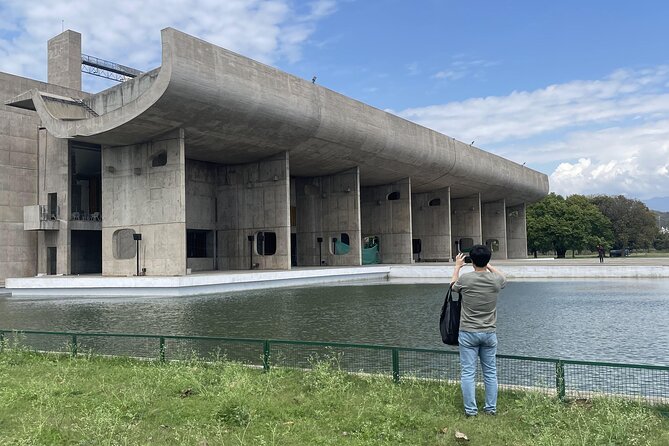
- Insider access at Chandigarh’s UNESCO-listed Capitol Complex with multiple key buildings in one stretch
- Le Corbusier learning stops, including the Tower of Shadows solar-sun study structure
- Rare city views, with access to Pierre Jeanneret’s public socialist housing on Day 2 (subject to local variables)
- Museum time with context, from the Le Corbusier Centre to a Chandigarh Architecture Museum modeled on the Zurich Pavilion
- A second-day contrast of lakes, markets, a war memorial setting, and a Le Corbusier-designed club
Chandigarh Modernism You Can Actually Walk Through
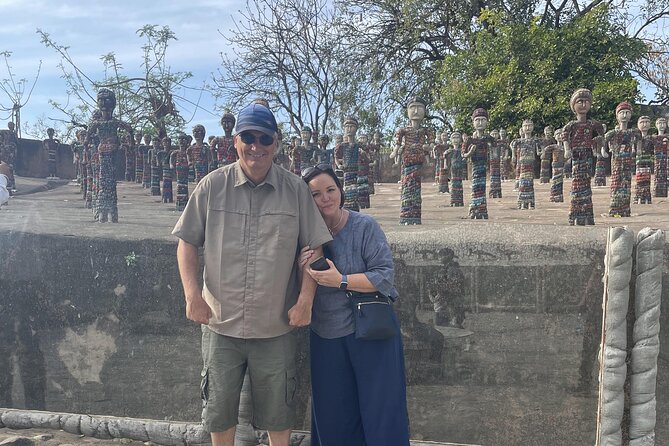
Chandigarh is not just pretty buildings. It is an urban idea, built at full scale. You come for the famous names, but you stay because the city lets you see how design affects movement, light, shade, and even community routines.
This is where the tour earns its value. Instead of treating architecture like a slideshow, you visit spaces tied to the original thinking. You also get the rhythm of a real two-day day trip, starting early and using an air-conditioned vehicle so you are not burning hours just getting between sights.
More Historical Tours in Chandigarh:
- Fontainhas Heritage Walk by Make It Happen
★ 5.0 · 2,834 reviews - The Great Indian Food Tour: Old Delhi Food and Heritage Walk
★ 5.0 · 1,698 reviews - Old Goa Heritage Walk by Make It Happen
★ 5.0 · 797 reviews
Price and What Feels Like a Fair Value
The price is $71.02 per person for a roughly 2-day experience. The big “value” part is what you do not have to manage yourself. The tour includes:
- entrance fees (and photography tickets) at the listed sites
- parking fees, plus pickup and drop charges
- air-conditioned vehicle costs, including waiting time while you visit
- admission fees at stops
Snacks are not included, and you are paying your own way for those small breaks. Gratuity is optional and accepted.
In plain terms, if you would otherwise pay multiple separate museum tickets, taxi rides, and parking, the all-in structure makes sense. You are paying for transport logistics and guided entry, and you are getting a long, multi-site route across two days.
9:00 Start, Max 41, and a Tour That Uses Real Timing
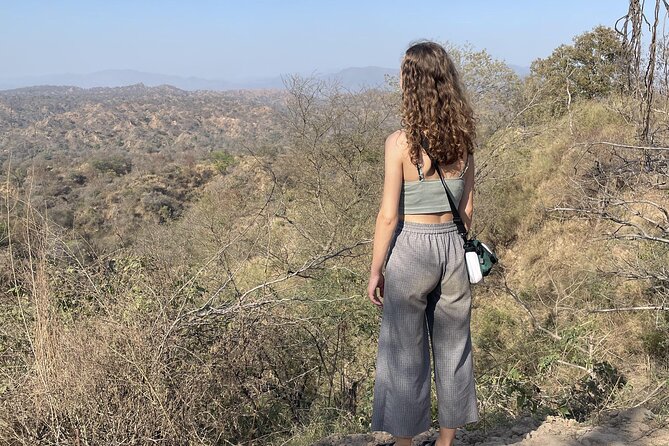
This runs with a 9:00 am start, and the group has a maximum size of 41 travelers. That size is big enough to feel social, but still small enough that a guide can keep the day moving.
You also get practical extras like a mobile ticket, pickup offered, and service animals allowed. The tour notes it is near public transportation, which is helpful if you like to reduce stress about getting there.
One more detail that matters: a few stops are time sensitive, and the itinerary assumes good weather. If the weather fails, you will be offered a different date or a full refund.
Day 1: Capitol Complex, Museums, and the Concrete Learning Curve
Day 1 is where Chandigarh’s famous modernism comes at you fast, with UNESCO-linked architecture plus an unbroken thread of design ideas. You are not just seeing buildings, you are learning why the buildings were built the way they were.
Capitol Complex, Secretariat, Assembly Hall, and the Open Hand
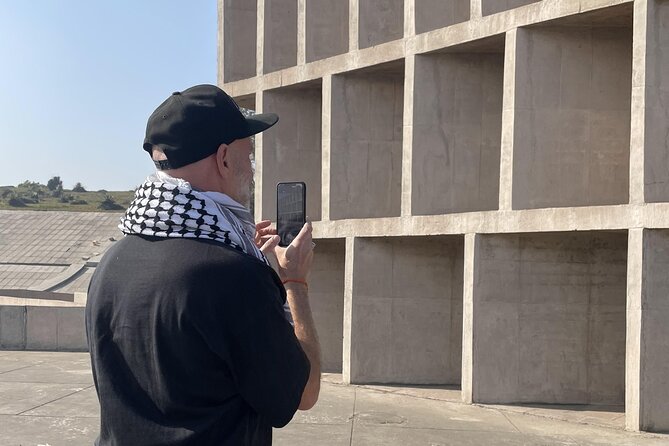
You start at the Capitol Complex, a UNESCO World Heritage site. This is the heart of the city’s administrative story, built around bold brutalist concrete forms and civic symbolism.
You will see major components tied to the complex, including the Secretariat and Assembly Hall. The architecture here is not subtle on purpose. It is designed to signal power, stability, and modern identity.
Then you reach one of Chandigarh’s most recognizable symbols, the Open Hand Monument. It is described as a symbol of peace and unity, and the tour promises up-close access. On windy days, it can be extra atmospheric because the hand and its setting become visually alive.
Le Corbusier Centre, Where Old Plans Become Teaching
Next is the Le Corbusier Centre, an older architects’ building turned museum or memorial center. The focus is on Le Corbusier’s early attempt at environmental thinking, including naturally cooled and sustainable design concepts.
What I like about stops like this is that you get practical “how” instead of just “wow.” You can connect the dots between form, comfort, and climate logic.
Gandhi Bhawan and the Lotus Roof Shape
At Gandhi Bhawan, you get guided private access to the university’s core. This stop includes one of the most iconic visual features mentioned for Chandigarh: the spinning lotus-shaped roof.
A lotus roof is not just decoration. It is a strong example of how geometry and cultural inspiration can merge with engineered function. Even if you are not an architecture nerd, you will notice how it changes the vibe of the space.
Chandigarh Architecture Museum and the Zurich Pavilion Connection
The Chandigarh Architecture Museum is described as an homage to Le Corbusier’s 1965 Zurich Pavilion, with a raw concrete form and a tubular stairway that sets the stage for the modernist saga.
This is a smart inclusion because it gives you a bridge between Chandigarh and the wider Le Corbusier world. The museum tour includes multiple levels and rare exhibits, which helps you slow down after the outdoor monument intensity.
Geometric Hill and the Capitol’s Sculptural Grid
The Geometric Hill stop focuses on sculptural landscape design within the Capitol Complex area. The description highlights grid-like earth mounds and concrete forms, tying back to Le Corbusier’s fascination with structural order and visible planning logic.
For me, this is where you start to feel the city’s design language as a full system, not isolated landmarks. You can see how “civic planning” also means “groundwork design.”
The Tower of Shadows, a Solar Study in Concrete
Then comes The Tower of Shadows, an open-air concrete structure designed as a “demo” building to study solar movement. The key idea is sun and shade as a design input, not an afterthought.
This stop is short but conceptually powerful. You learn how the same sun that makes the city hot also becomes a tool for designing comfort. It is architecture you can read with your eyes, especially if the light is moving while you are there.
Panjab University and Maison Jeanneret
Day 1 rounds out with two major stops that deepen the Pierre Jeanneret thread.
At Panjab University, you get insider guided access. Then you visit Museum Maison Jeanneret, described as the first house constructed in Chandigarh, now a museum. It was Pierre Jeanneret’s residence for 11 years and showcases his design innovations.
This pairing is useful. University buildings show public scale. A collaborator’s home shows personal scale. Together they make the story feel complete.
Day 2: Sukhna Lake, Sector 17, Museums, and Quiet Civic Corners
Day 2 shifts the tone. You still get guided architecture and museum time, but you also get spaces that feel lived in: a lakeside walk, a market scene, and memorial grounds.
Sukhna Lake and the City Cooling Itself
Start with Sukhna Lake. It is a manmade lake designed by Corbusier, described as helping refresh groundwater and cool the northern sectors of Chandigarh.
This is more than a scenic stop. It is urban infrastructure with an aesthetic face. If you remember day one’s design thinking, Sukhna Lake becomes the same story at the city scale.
You get a gentle walk plus the lake creation story and how it evolved over time, keeping the day moving without forcing you to sprint between sites.
Sector 17 Market and the Commercial Side of Corbusier
Next is Sector 17 Market, focused on Corbusier’s commercial designs. You walk shaded, tree-lined walkways and get time for people watching.
This stop matters because Chandigarh is not only administration and art museums. It is daily life. Market architecture shows how planning handles crowds, shade, commerce, and casual social routines.
Chandigarh War Memorial in Bougainvillea Gardens
Then you visit the Chandigarh War Memorial, described as a tribute park within the Bougainvillea Garden of Sector 3.
Architecturally, the tour frames it as subtle design paired with historical resonance. Emotionally, it is a needed pause after the more design-forward concrete stops. It slows you down in a respectful way.
Rare Access to Pierre Jeanneret’s Public Socialist Housing
One of the most distinctive parts of Day 2 is rare access through a walking guided tour of Pierre Jeanneret’s public socialist housing in Chandigarh. The tour notes this is still functional in its original stance, and access is subject to local variables.
This is the stop that turns architecture from a subject into lived experience. Housing is where design impacts real routines: light levels, circulation, privacy, and community proximity.
Even if you only get limited access on your specific day, the attempt is what makes the day special.
Government Museum and Art Gallery, Pre-Partition Art Connections
At the Government Museum and Art Gallery, you get a guided tour of a 1960s heritage museum designed by Le Corbusier. The museum houses artifacts from the pre-partition era from Pakistan, including one of the world’s largest collections of Greco-Buddhist art.
This is a strong reminder that modernism in Chandigarh sits inside a much bigger cultural context. You are not only learning about buildings, you are learning what the city chose to preserve and display.
Lake Club and the Last-Act Le Corbusier Yacht Club Design
The final stop is Lake Club, described as an often-ignored private yacht club for recreational boating and socializing designed by Le Corbusier roughly a year before his death.
This is a quietly fun way to end. It contrasts the formal civic scale of Day 1 with leisure, social life, and a personal glimpse into how Le Corbusier treated different kinds of spaces.
Why Rusty’s Storytelling Makes the Architecture Click
A tour like this lives or dies by how the guide connects dots without overwhelming you.
Rusty brings a rare mix of background and approach. He is a journalist who has spent 11 years researching facts, and he is also a third-generation Chandigarh resident. He lived in Corbus’s public social housing, studied in schools designed by Pierre, and worked and learned through offices designed by Maxwell Fry.
That history shows up in the tone. Rusty’s storytelling is described as politically neutral when needed for foreign dignitaries, gentle for families and kids, and adjusted for different group needs. He also times the day so architects and planners can take their photos, which sounds small, but it protects the flow of your visit.
I also like how this kind of guide thinks about practical comfort. The tour includes frequent snack stops, but they are cheap and you pay for them yourself. In a hot city, those small breaks keep the day from turning into a endurance test.
What to Pack and How to Survive the Concrete Day
This is mostly guided outdoor time plus museum interiors. Bring the basics that make architecture travel easier:
- water for the gaps between stops
- sunscreen and a hat, especially if the sun is strong
- comfy shoes for walking and stairs at museum and tower-style structures
- a camera or phone ready, since photography tickets and fees are included at the stops
Also, because the tour requires good weather, plan to dress for sun and heat, then layer lightly in case mornings or evenings shift. If you hate sun, aim for early morning shade and take short rest breaks when the guide suggests them.
Who Should Book This Two-Day Chandigarh Architecture Tour
This works best if you want more than photos. It is ideal for:
- architecture lovers who like context and explanations, not just landmark spotting
- history-minded travelers who understand that planning and politics shape the built environment
- couples and small groups who want two days with a consistent narrative thread
- students and backpacking visitors who care about value and guided access
It might feel like too much if you prefer slow travel with lots of unscheduled wandering, or if you want only one or two iconic sites without the museums and civic housing stop.
Should You Book the Hipster Chandigarh Architecture History Tour?
If your goal is to understand Chandigarh as an idea, not just as a list of famous buildings, I think this tour is a strong pick. You get two full days, an all-in approach to entry tickets and photography fees, and a guide with local lived experience plus journalist-level detail.
Book it if you want a structured route through Capitol Complex, Le Corbusier and Pierre Jeanneret landmarks, plus Day 2’s mix of lake time, market life, memorial space, and rare housing access. Skip it only if you want mostly independent travel or you dislike guided museum interiors.
You can also take comfort in the track record shown by a 4.9 rating and 98% recommendation.
FAQ
What is the duration of the Hipster Chandigarh Architecture History Tour?
It runs for approximately 2 days.
What is the tour price per person?
The price is $71.02 per person.
Are pickup and drop included?
Yes, pickup and drop charges are included.
What is included in the ticket price?
Entrance fees are included, including photography tickets and fees, plus parking and air-conditioned vehicle costs, along with admission fees at the stops.
Are snacks or meals included?
Frequent snack stops are not included and you pay for them yourself, though the tour says they are cheap.
What time does the tour start?
The tour starts at 9:00 am.
Does the tour depend on weather?
Yes. The experience requires good weather, and if it is canceled due to poor weather you will be offered a different date or a full refund.
Latest reviews in from Chandigarh
- Private 7 Days Shimla Manali Hill Stations Tour From Chandigarh★ 5.0 · 30 reviews
- Golden Triangle 6 Days★ 5.0 · 22 reviews
- Full Day Private Agra Tour from Delhi by Car★ 5.0 · 41 reviews
Historical Tours, compared.
The Great Indian Food Tour: Old Delhi Food and Heritage Walk
Read our review →
Old Delhi Food, Heritage&Cultural Walk with Rickshaw ride to Masterji Kee Haveli
Read our review →
Fontainhas Heritage Walk At Latin Quarters of Goa
Read our review →
Blue City Heritage Private Walking Tour With Pickup and Drop-Off
Read our review →

Private Heritage Walking Tour in Jaisalmer Fort and Old Bazaar
Read our review →Browse the lists this tour appears in