
Reviewed · HISTORICAL TOURS
Bangalore Heritage and Cultural Walking Tour
This Bangalore Heritage and Cultural Walking Tour stands out because it blends old-town streets with museum-and-landmark stops, then stitches it together using entertaining stories. You get a fast orientation to how Bangalore grew, what shaped it, and what people still care about today.
I especially like two things. First, the tour is guided by a storyteller who can speak English and Hindi, so you get explanations that actually land. Second, the route mixes big-name sights like St. Mark’s Cathedral and Cubbon Park with smaller heritage lanes and centuries-old temples that you would likely miss on your own.
One possible drawback to keep in mind: a small number of past participants reported guide issues such as no-show or not starting on time. If you’re the type who hates uncertainty, plan for a little buffer and keep your booking contact details ready.
Key Things to Know Before You Go
- Infotainment style: stories, fun facts, and must-do suggestions so the tour stays lively.
- English and Hindi guides: you’ll usually be able to follow along without guessing.
- 15-person maximum group: small enough for conversation, not so big it feels like a herd.
- Museums plus civic landmarks: you’ll shift from industrial tech themes to courts and government architecture.
- Hidden lanes and heritage pockets: the walk includes lanes that are hard to find without local guidance.
- Ends back at the start: you finish near the same area you began, which keeps logistics simple.
Walking Footsteps Through Bangalore’s Past and Present
Bangalore can feel like a city of contrasts if you only do the big stops. This tour takes the opposite approach. You start in an area connected to the city’s modern rhythm, then you steadily move through heritage buildings, older markets, and temple lanes, with museum stops acting like chapter headings in the story.
What I like about the format is how it keeps your brain engaged without turning into a lecture. The guide uses an infotainment style, meaning you’re not just memorizing dates. You’re learning why certain places mattered, how different communities shaped the city, and what you should notice as you walk.
This also matters for value. At about $12.46 per person for around 2 hours, you’re not paying for a private guide or museum tickets. You’re paying for guided interpretation plus access to places you’d have trouble finding quickly. For a short visit, that can be a smart way to get bearings fast.
That said, bring the right mindset. This is a walking tour, so you need comfortable shoes and a little patience with the pace of an urban route.
More Historical Tours in Bangalore
- Experience Bangalore – City Tour, Authentic Food & market (Food/Culture/History)
★ 5.0 · 156 reviews - World heritage Somnathpur sculptures and Talakadu temple mystery
★ 5.0 · 79 reviews - 2 days Private tour of Hampi world heritage site from Bangalore by car
★ 5.0 · 75 reviews
Price and Time: How Much You Actually Get for $12.46

At $12.46 per person and about 2 hours, the main question is what you’re buying: a route plus a guide, not a curated museum day. The stops you’ll pass through cover several themes in a compact loop: arts and archaeology, industry and technology, colonial-era landmarks, parks, courts, and government architecture.
If you’re trying to do all that alone, you’d spend time figuring out transport, what’s worth seeing, and where the less obvious lanes are. Paying for a guide helps you compress that into one session, and the group size cap of 15 travelers keeps it personal enough for questions.
If your schedule is tight, 2 hours is also the right length. It’s long enough to feel like a real experience, short enough that you can still plan dinner afterward.
Meeting Point and Getting There Without Stress
The tour meets at Golden Square Business Centre on Vittal Mallya Road, in the Eden Park area (Bengaluru 560001). The end point is the same meeting point, which is helpful if you want to keep your next activity nearby.
Two practical points from the setup:
- It’s near public transportation, so you’re not locked into expensive taxis just to start.
- There’s no hotel pickup and drop, so you’ll want to plan to arrive on your own.
Also, the tour uses a mobile ticket. That usually means you should have your phone charged enough to show it when the guide checks in.
What to Bring (Since Water Isn’t Included)
Water is not included, so I strongly recommend you carry a bottle. You’ll be walking through parks and around multiple landmarks, and Bangalore afternoons can get warm.
Other useful basics, even if not listed:
- Comfortable walking shoes
- A small crossbody bag or day pack
- A phone with enough battery for your ticket and photos
The more you pack light, the easier it is to enjoy the stories instead of constantly adjusting your gear.
More Walking Tours in Bangalore
- Bengaluru Pete City Market Half-Day Walking Tour
★ 5.0 · 163 reviews - Bangalore: Palace, Temples, Fort & Markets Walking Tour
★ 4.9 · 97 reviews - Street Food walking tour in Bangalore with a food evangelist
★ 5.0 · 83 reviews - See Bangalore through my eyes (Cultural / Historical / Walking Tour)
★ 5.0 · 60 reviews
Venkatappa Art Gallery and the Department of Archaeology and Museums
This is a great first stop because it sets the tone: Bangalore isn’t only about modern offices and tech. It also has cultural institutions that point to older layers of the city.
Expect a mix of art context and museum-adjacent framing. This stop helps you understand how people collect and interpret the past, which makes later heritage lanes and temples much more meaningful. Even if art museums aren’t your thing, this portion works as orientation. It answers the unspoken question: What should I be paying attention to as I walk?
One caution: museum buildings can come with variable viewing time depending on the day and flow. The benefit is that the guide keeps the pace moving so you don’t get stuck waiting around.
Visvesvaraya Industrial and Technological Museum: Industry as a Story
Next comes the Visvesvaraya Industrial and Technological Museum, a name you might recognize even if you haven’t visited. Here, the tour’s “why this matters” approach kicks in.
Instead of treating the city as purely historical, the guide links tech and industry to Bangalore’s identity. This is especially useful if you’re visiting with friends who think a heritage walk sounds too slow. The industrial and technological angle helps the tour feel relevant.
What I like is that this isn’t just about looking at objects. You’re learning how innovation shaped public life, and how that connects to where you’ll be later in the walk, around civic buildings and major public spaces.
UB City Mall, Tower, Aquarium, and Modern Buildings on the Way
After museums, the tour takes you past UB City Mall, its tower, and even an aquarium view point, plus other modern buildings on the route.
This section is more than a break. It’s your “now” moment. Bangalore’s identity is tied to modernization, and seeing it while you still have heritage context in your head makes the contrasts more interesting.
In practical terms, this is also a good time to reset. You’ll likely get brief stops for photos and a quick explanation of what you’re seeing, then you’ll transition back toward older parts of town.
St. Mark’s Cathedral and Mahatma Gandhi Park: Landmarks With Breathing Room
You’ll then reach St. Mark’s Cathedral and Mahatma Gandhi Park. This is a strong pairing because it combines a landmark building with a public green space.
The cathedral stop gives you a visible anchor, something architectural to orient your eyes. Then the park offers a calmer moment to regroup and listen, without feeling like you’re constantly moving.
I like this segment because it’s a change in rhythm. After museum and urban movement, the park can make the rest of the walk feel easier, especially if you’re watching the pace for a full 2 hours.
Old Market Lanes, Heritage Buildings, and Centuries-Old Temples
This is where the tour leans into what it promises: access to lanes and places you might miss without local guidance. You’ll pass through the old market, heritage buildings, and centuries-old temples.
The guide’s job here is crucial. Walking past temples without context can turn into a quick photo stop. With a storyteller, you’re more likely to understand patterns like location, community significance, and how these places fit into daily life.
Expect the experience to feel more sensory and street-level than the museum segments. You’ll be moving through older textures of the city, and the guide will likely point out details you would not notice at first glance.
If you’re the type who likes to ask questions, this is also a good time to do it. The tour’s conversation-heavy style can make these lanes feel less like sightseeing and more like learning to read the neighborhood.
Cubbon Park, M Chinnaswamy Stadium, and Minsk Square
Next up: Cubbon Park, plus sights near M Chinnaswamy Stadium and Minsk Square.
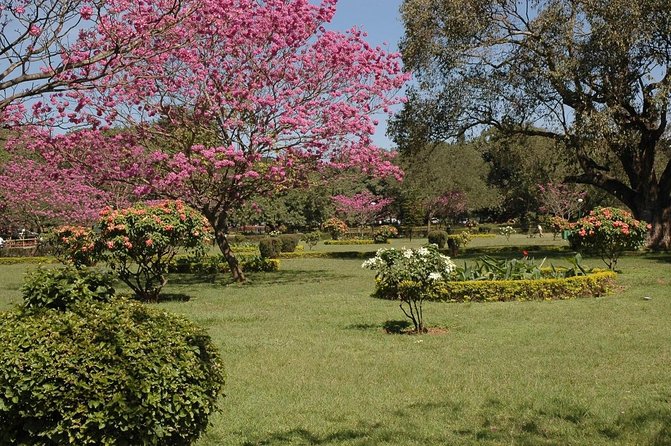
Cubbon Park is a natural fit for a heritage walk because it’s a public space where city life shows up. You’re not only looking at monuments. You’re walking through the kind of area people actually use, which gives you a better sense of how Bangalore spaces function.
The stadium and square add variety. They break up the heavy “building after building” feel, and they give the guide a chance to connect civic identity to public gathering points.
This is also a helpful section if you get tired of museum explanations. It returns you to the outside world, with open views and places to slow down.
Attara Kacheri, High Court of Karnataka: The Power Corridor
You’ll pass by the High Court of Karnataka, also called Attara Kacheri. A court building is one of those places that changes how you understand a city quickly. It signals governance, legal tradition, and the formal structures that shape everyday life.
For your experience, this stop works best if you listen for how the guide explains the location in the broader civic landscape. You’ll likely connect this area to what comes next, because government architecture and public institutions are linked in how the walk is designed.
One practical tip: government buildings can involve security or rules around where you can stand. Even without specific rules provided, it’s smart to keep an eye on the guide and follow instructions so you don’t waste time trying to get a better angle.
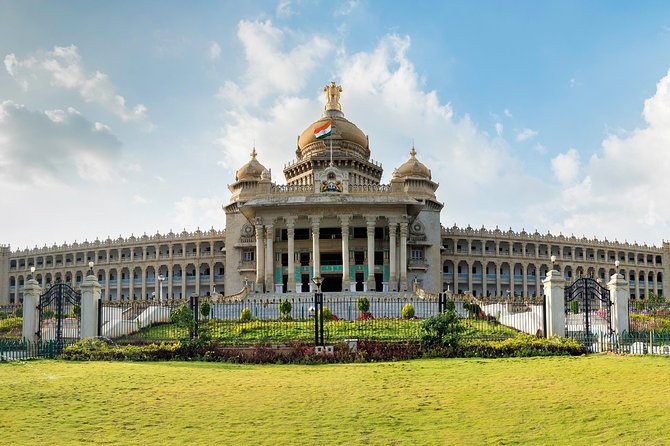
Vidhana Soudha, Gandhi Statue, Press Club, and the Civic Architecture Finish
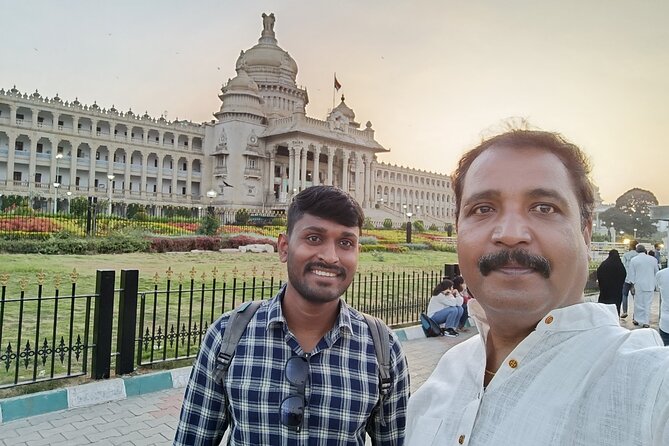
The tour culminates in the Vidhana Soudha area, along with a Mahatma Gandhi statue and nearby places like the Press Club and other surrounding buildings.
This final stretch tends to feel like the city’s big statement. If earlier parts of the tour gave you cultural context, this section ties it to institutions and public identity.
I like ending here because the walk comes full circle. You start with art and archaeology, go into industrial tech, move through street heritage and parks, and then land at civic landmarks. It’s a coherent arc, not random stop selection.
Also, since the tour ends back at the meeting point, you can continue your day without having to backtrack across town.
How the Guide Style Changes the Experience
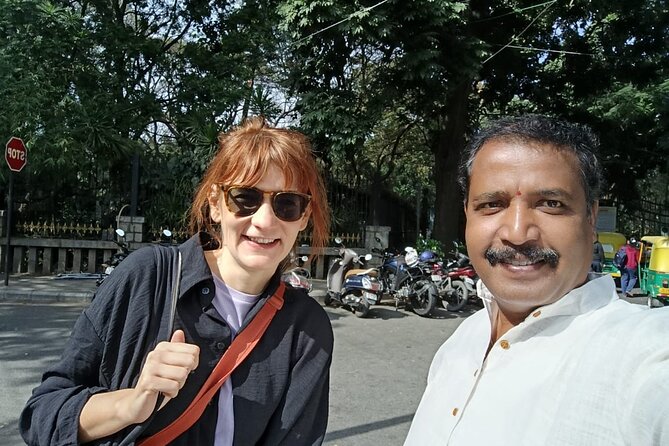
One of the tour’s biggest strengths is the storyteller approach. The guide is described as friendly and able to speak English and Hindi, and the format focuses on stories, fun facts, and recommendations that help you decide what to do next.
When it works, it’s a tour that feels like a guided conversation with a local who knows how to keep it moving. That’s exactly what the stronger feedback highlights, including mentions of learning about the city’s British legacy and enjoying the guide’s kind, structured explanations.
But I also want to be honest. A small set of accounts mention guide no-shows or issues with starting on time. That doesn’t mean it will happen to you, but it does mean you should use smart travel habits:
- Arrive a bit early
- Keep your phone and booking details handy
- If something seems off, contact the provider promptly
If you prepare in that way, you can still get the best of what this tour seems designed to deliver.
Who This Tour Suits Best
This is a strong choice if:
- You want an on-foot orientation to Bangalore in about 2 hours
- You like stories that connect landmarks to how people live and think
- You want a mix of museums, civic buildings, and old lanes
- You’re traveling with someone who doesn’t want a pure museum day
It might be less ideal if:
- You hate walking in general
- You need guaranteed, hassle-free timing with no risk of delays
- You’re looking for deep, long museum time at each building, because the stops are part of a route rather than a ticketed museum marathon
Should You Book This Bangalore Heritage Walk?
I think this tour is worth booking if you want a guided introduction to Bangalore that balances culture, architecture, and everyday street scenes, without spending a whole day planning.
Pick it with confidence when you:
- Prefer a guided route over doing multiple neighborhoods solo
- Like the idea of infotainment and practical tips along the way
- Want a compact way to see St. Mark’s Cathedral area, Cubbon Park, Attara Kacheri, and Vidhana Soudha in one go
Skip it or book with extra caution if you:
- Are very sensitive to timing because a few past experiences reported guide issues
- Are not interested in walking and short stops, since this is still a walking tour structure
Bottom line: for the price, the mix of museum stops and civic and heritage landmarks is a good deal, as long as you show up early, bring water, and go in ready for a lively storytelling pace.
FAQ
How long is the Bangalore Heritage and Cultural Walking Tour?
It runs for about 2 hours.
How much does the tour cost?
The price is $12.46 per person.
Where does the tour start?
It starts at Golden Square Business Centre on Vittal Mallya Road (Eden Park area), Bengaluru.
Does the tour end at the same place it starts?
Yes. The tour ends back at the meeting point.
What’s included in the tour?
You get a trained, friendly storyteller/guide who speaks English and Hindi, local tips and recommendations to save money and explore the city, access to hidden lanes and places, and interesting stories and conversation.
Is water included?
No. Water bottle is not included.
Do I need hotel pickup and drop?
No. Hotel pickup and drop are not included.
How big is the group?
The maximum group size is 15 travelers.
What is the cancellation policy?
You can cancel for free up to 24 hours in advance for a full refund.
Latest reviews in from Bangalore
- Bengaluru to Agra Taj Mahal Same Day Trip with Flights and lunch★ 5.0 · 16 reviews
- Half-Day Private British Heritage Tour with Lunch★ 5.0 · 16 reviews
- Private Walking Tour of Old Bangalore★ 5.0 · 17 reviews
- 8-Hour Custom Private Tour of Bengaluru★ 4.5 · 17 reviews
- Walk of Divinity Bangalore (2 hours guided walking tour)★ 3.8 · 19 reviews
- Malleswaram heritage walk, an immersive walking tour in Bangalore★ 5.0 · 20 reviews
- Bandipur Tiger Reserve with Somnathpur Temple Tour★ 5.0 · 21 reviews
- Bangalore Fort heritage walk★ 5.0 · 22 reviews
Historical Tours, compared.
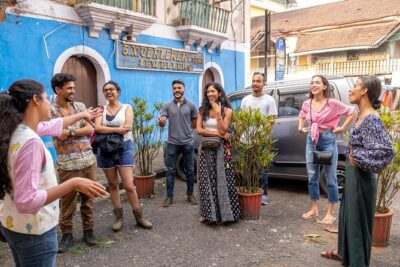

The Great Indian Food Tour: Old Delhi Food and Heritage Walk
Read our review →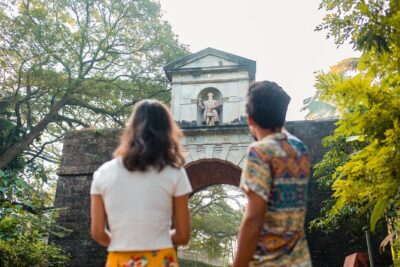
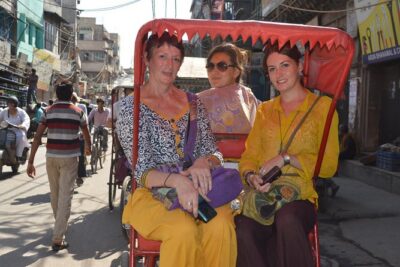
Old Delhi Food, Heritage&Cultural Walk with Rickshaw ride to Masterji Kee Haveli
Read our review →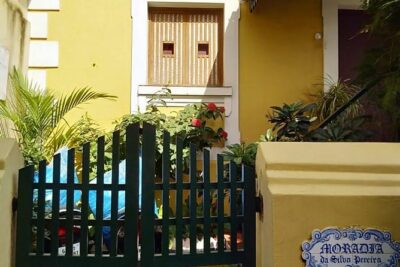
Fontainhas Heritage Walk At Latin Quarters of Goa
Read our review →
Blue City Heritage Private Walking Tour With Pickup and Drop-Off
Read our review →

Private Heritage Walking Tour in Jaisalmer Fort and Old Bazaar
Read our review →Browse the lists this tour appears in