
Reviewed · TEMPLE TOURS
Mumbai: Local Markets & Temples Tour
This tour is interesting because it shows Mumbai as a working city, not just a postcard. I especially like the way it strings together major markets like Crawford Market and Mangaldas Market with temple stops, so you understand how daily life and belief share the same streets. One drawback to plan for: it is built around a lot of walking through active lanes and marketplaces, so it helps to enjoy close-up city energy.
What makes it work is the guide. In the nicest cases, you get someone like Rakesh or Javid, who can explain what you are looking at without turning it into a lecture, and you still feel free to ask questions. You’ll get a simple, guided flow, with water and cold drinks included, and you’ll keep moving for about 2.5 to 3 hours rain or shine.
The other thing to keep in mind is focus. This is markets plus two key cultural stops and a cow sanctuary, not a long circuit of the biggest monuments. If you want more famous landmarks packed into one outing, you may feel a bit time-pressed.
Key highlights you will actually notice
- Crawford Market plus other stops that show how Mumbai’s wholesale food supply works
- Mangaldas Market, a huge indoor textile hub where locals buy clothing
- Mumbadevi Temple, the historic temple tied to the namesake story of Mumba
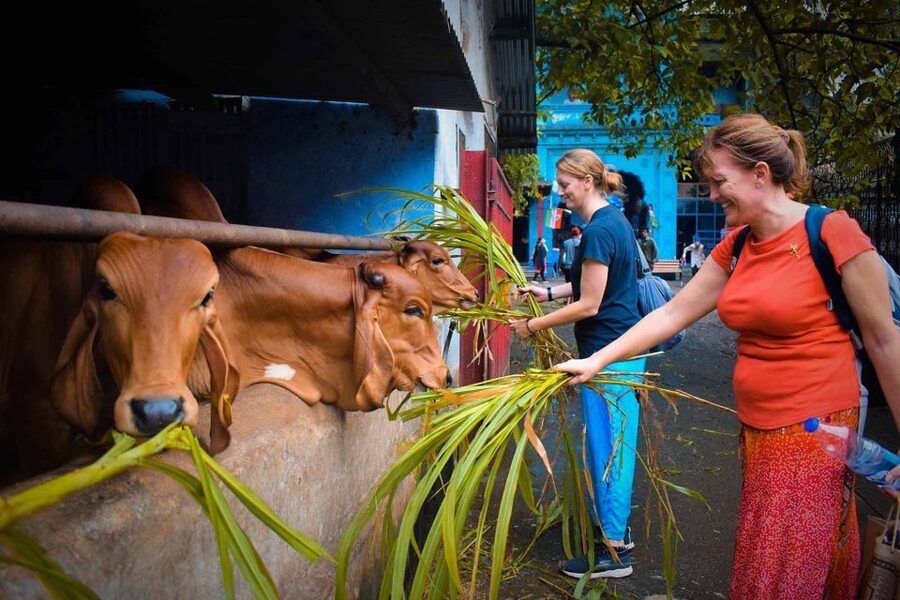
- Shri Mumbai Panjrapole, a cow welfare sanctuary for more than 350 cows
- A guided route through older lanes and commercial alleys, not a drive-by tour
- Plenty of time spent walking and looking, rather than sitting in a van
From Regal Cinema to the wholesale lanes by black cab
The tour starts at one of two options at Regal Cinema, then you head out by black cab for about 15 minutes. That short ride matters because it gets you into the market zone fast, without wasting your morning or afternoon.
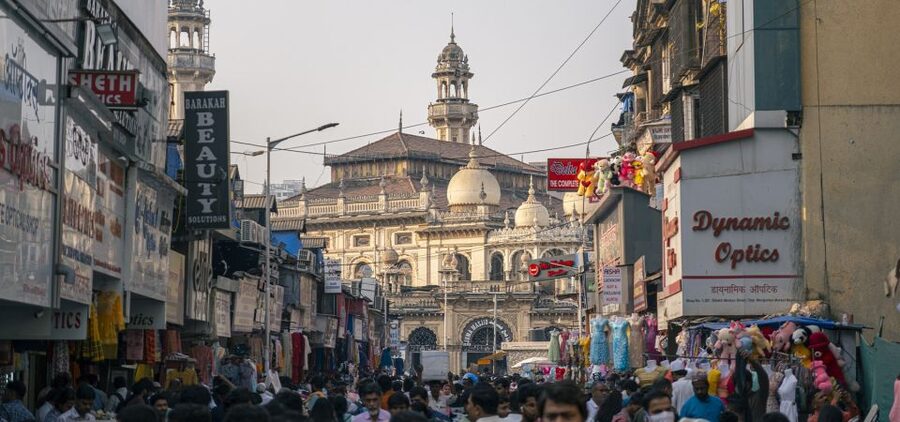
From there, the pace shifts. You go from wider streets to tighter, louder lanes, where vendors call out from carts and shop fronts spill onto the sidewalk. Even before you reach the big named markets, you get that sense of Mumbai as layered spaces: colonial-era facades nearby, temples in the mix, and constant movement around everyday needs.
Your English-speaking guide leads the timing and the route. In my view, that is the real value. These markets are easy to get lost in on your own, and you would likely miss what makes each place different.
A small practical note: the tour runs rain or shine, so if the weather is unpredictable, bring a light rain layer. You will still be walking at several stops.
More Temple Tours in Mumbai
- Private Guided Spiritual Walk in Banganga Hindu Temples
★ 5.0 · 271 reviews - Mumbai: Kanheri Caves and The Golden Pagoda Temple
★ 4.7 · 108 reviews - Sanjay Gandhi National Park(SGNP) + Kenheri Caves + Lion Safari + Jain Temple
★ 5.0 · 88 reviews
Crawford Market: seeing the supply chain in one big, loud stop
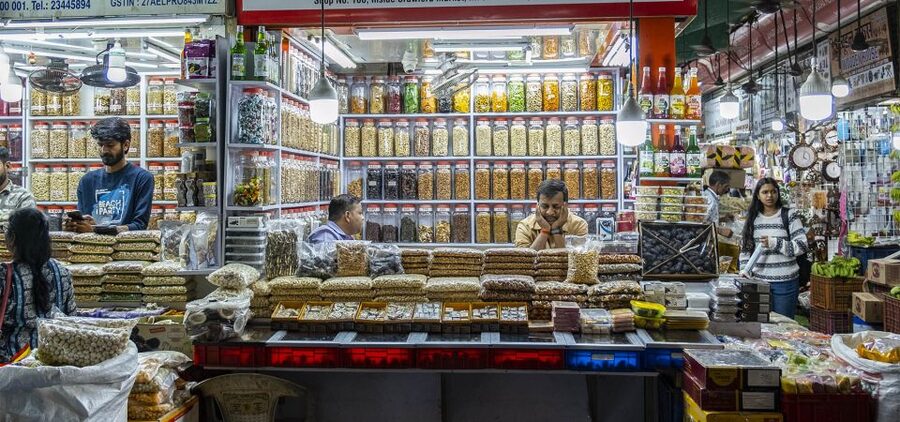
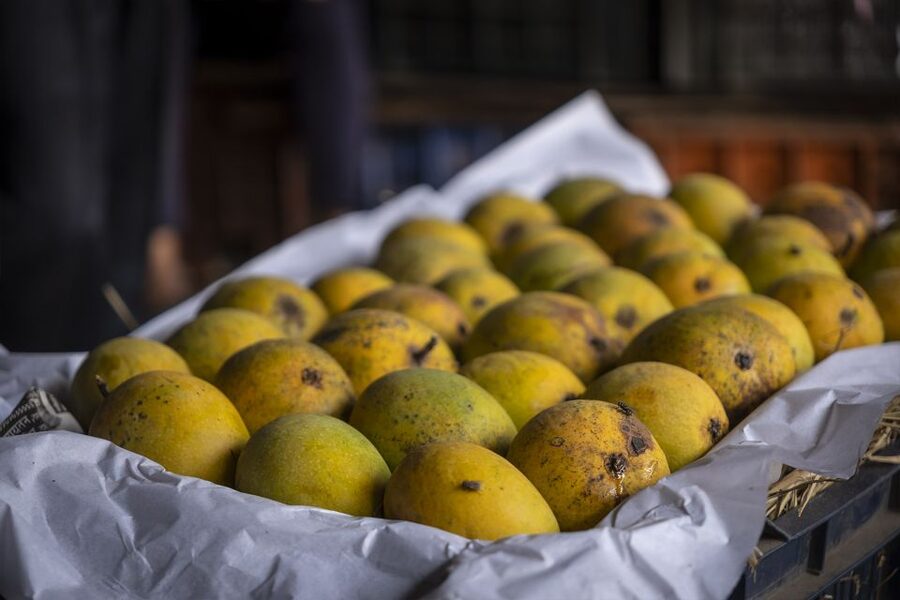
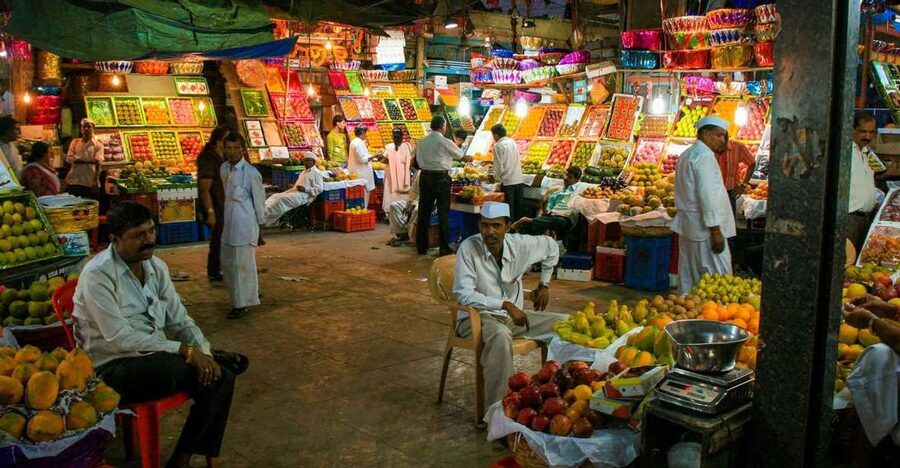
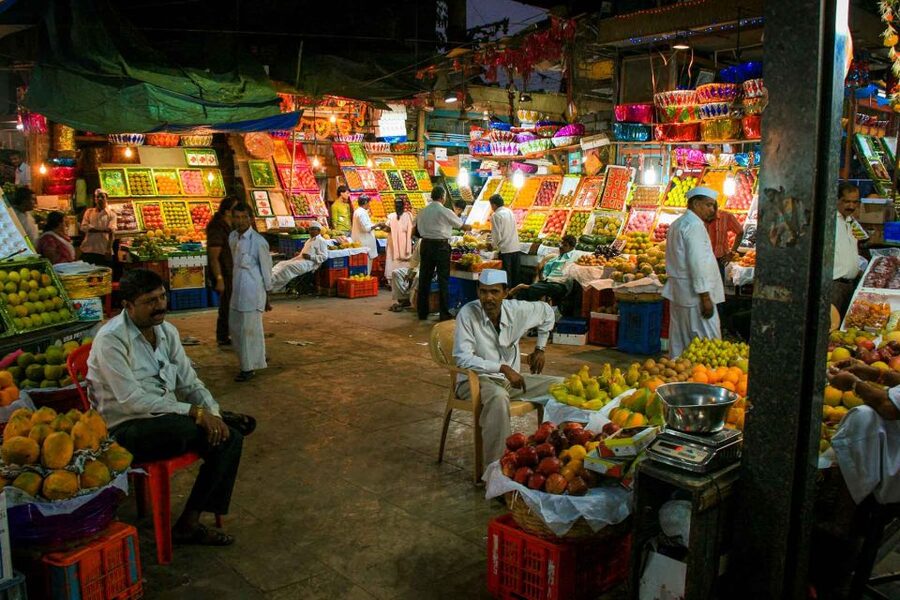
Crawford Market is where the tour earns its “local markets” badge. It is one of Mumbai’s largest wholesale fruit and vegetable markets, and it also includes meat wholesale activity. That combination gives you a rare, front-row view of how food moves through the city.
Expect a guided look first, then a short walk. The structure is simple: you get a little context, then you see stalls, packaging, and the flow of buyers and sellers. Even if you are not shopping, it helps you connect the dots between what you eat at home and how it arrives at the table.
What I like about starting here is that it sets the tone immediately. Mumbai’s market world is not just souvenirs or side streets for tourists. This is the real engine room for everyday buying and selling.
How to enjoy it best:
- Stay curious about the different stall types, not just the loudest section.
- Keep your camera ready, but pay attention to what your guide is pointing out so you learn something, not just take photos.
Possible consideration: markets like this can feel intense. The tour is designed to guide you through the chaos, but if you prefer quieter sightseeing, you may need to take a quick mental breather between stops.
Mangaldas Market: the indoor textile powerhouse locals use
After Crawford, the tour shifts from food to clothing with Mangaldas Market. This is the largest indoor wholesale textile market in Mumbai, and it is a big deal for one reason: locals come here to buy clothing, not just to browse.
You get a guided visit with a short walk, plus a quick pass-through feeling of how an indoor market actually operates. Indoors means you see more orderly rows than you might expect outdoors, but the action is still constant. Patterns, color, fabric textures, and stacks of goods become the story.
This stop is especially valuable if you want to understand Mumbai beyond its famous sights. Textiles are a practical window into a city’s economy, habits, and taste. You also start seeing why the tour’s timing matters. The markets are layered, so textile comes in right after food, and your brain stays in “how the city works” mode.
One thing to watch for: since it is wholesale, the scale can feel overwhelming. Your guide’s job is to help you focus on what matters, like why this place is organized the way it is and how it fits into local buying.
Zaveri Bazaar and the market lanes that connect it all
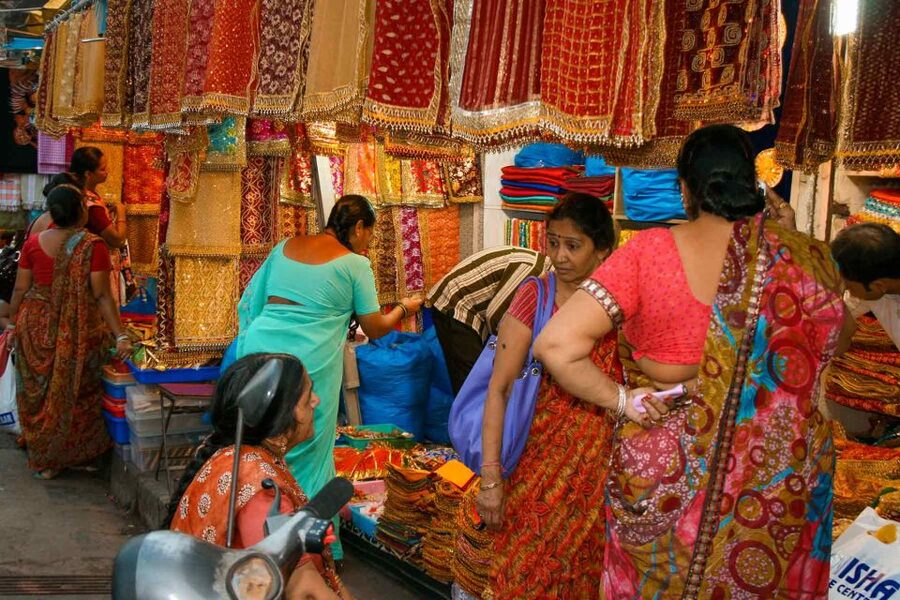
Next comes Zaveri Bazaar, another guided sightseeing stop with time to look around. It is shorter than the big anchor markets, but it helps connect the overall theme. If Crawford shows a wholesale food system and Mangaldas shows textiles, Zaveri adds another piece of how Mumbai’s commercial life threads through older lanes.
This portion of the tour is more about orientation than deep study. You get a feel for the variety of shops and streets, and you start to recognize that the named markets are only part of the story. The real map is the network of lanes and nearby commercial pockets.
The tour also includes a stop at a local restaurant area, where you visit and then pass by the surrounding street for a few minutes. Food is not included, but the point is to help you see how the market economy feeds daily life. You are not just watching commerce, you are also seeing where people pause, eat, and reset.
If you like a route that helps you understand the geography of neighborhoods, this segment is helpful. If you want a long sitting-down meal break, you may not get it here.
A different shape of Mumbai day:
- Dharavi slum tour in Mumbai by Female tour guides of the slum
★ 5.0 · 1,976 reviews - Mumbai: Full-Day Sightseeing Tour of Mumbai
★ 4.9 · 1,822 reviews - Private Mumbai Sightseeing Tour (Traveller’s Choice Award Winner)
★ 5.0 · 1,565 reviews - Elephanta Caves & Island Guided Private Tour
★ 5.0 · 1,327 reviews
Mumbadevi Temple: a namesake story you can stand in
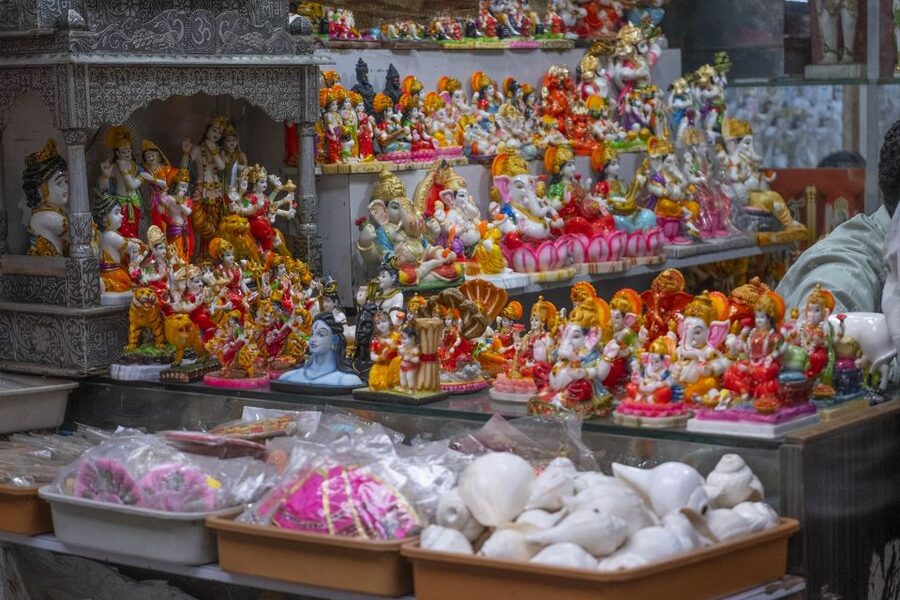
Then the tour pivots from commerce to spirituality with Mumbadevi Temple. This is the historic Hindu temple connected to the namesake of Mumba. The guide walk includes a visit and some sightseeing, plus a short walking segment.
What makes this stop meaningful is that it ties the city’s identity to a place you can actually visit. You are no longer just seeing markets as economic machines. You are seeing them alongside belief, with temples sitting where daily life happens.
It also changes your pace in a good way. After indoor and outdoor market movement, the temple visit gives you a moment to slow down just enough to absorb what you have been seeing.
A practical tip that works in most temple visits: follow your guide’s instructions for what is appropriate to wear and how to behave in sacred spaces. If your guide mentions specific etiquette, take it seriously, because that is part of respecting the place.
One likely drawback: this stop is not a long, multi-hour temple immersion. It is a curated hit that fits the 2.5 to 3 hour format. If your goal is temple depth over market variety, you may want to plan a separate temple-focused outing.
Shri Mumbai Panjrapole: the cow welfare sanctuary with real presence
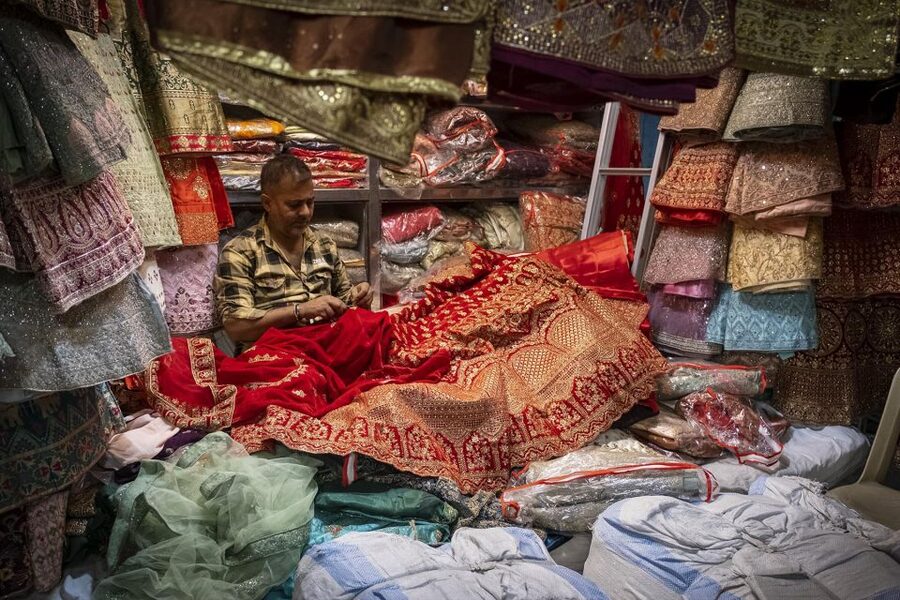
The tour ends with a visit to Shri Mumbai Panjrapole. This is a sanctuary dedicated to the welfare of more than 350 cows, and the experience gives you a different lens on Mumbai’s relationship with animals.
After time in crowded markets, this stop feels like a quieter reset. Even if you have seen cows in other parts of India, the sanctuary framing changes how you look at them. It is not only a cultural image. It is a welfare-focused purpose that your guide will help you understand during the guided visit, sightseeing, and the walk-through time.
This is one of the tour’s standout highlights because it expands the definition of what “local culture” means. You are not just studying buildings and food. You are seeing how care and tradition exist in the same city space.
Time here is about 15 minutes. That is enough to absorb the atmosphere, listen to your guide’s explanation, and notice how the sanctuary is organized for daily care.
A consideration: if you are sensitive to animal environments, go in prepared for a real-world sanctuary setting, not a themed attraction.
Price and timing: what $27 buys you in a short window
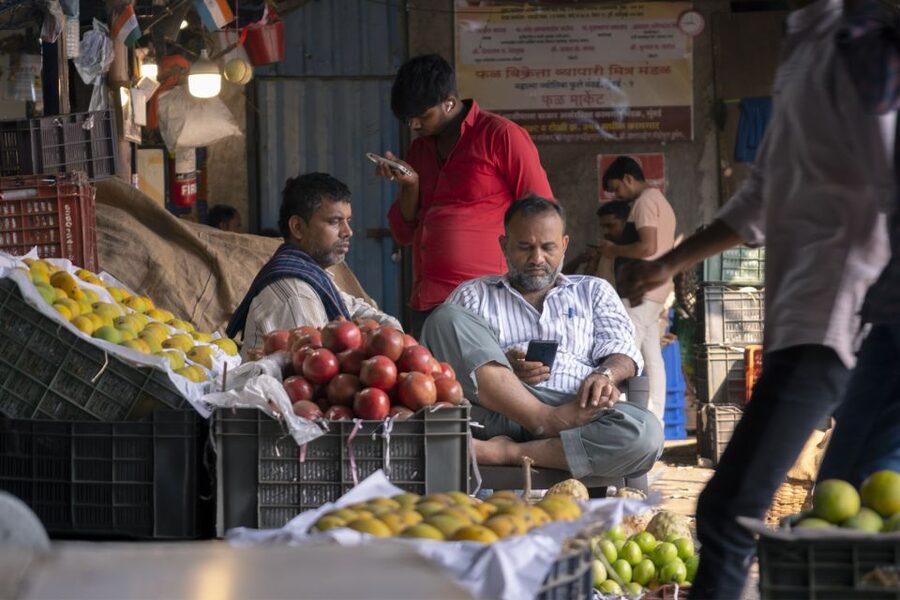
The price is $27 per person for a 2.5 to 3 hour tour. On paper that seems straightforward, but the value is in what you get packed into that time with minimal friction.
Included:
- a local English speaking guide
- water / cold drinks
Not included:
- hotel pick-up and drop-off
- food
There are also no long transfers. The route is mostly walk-and-go, with a short black cab ride. That matters for value because time is money in a city like Mumbai. If you arrive thinking you will spend most of your outing waiting for transportation, this tour is designed to keep you moving.
What you should plan around:
- Meeting point varies by the option you book, so confirm your exact starting location.
- Drop-off options include Chhatrapati Shivaji Terminus, Charni Road Railway Station, and Girgaon.
If you are doing other activities nearby, these drop-offs are a smart bonus because you might not need extra transit immediately after.
Rain or shine also plays into planning value. If you want something that keeps your schedule intact even when weather changes, this format helps.
Who this tour suits best, and who might want a different plan
This tour is a strong fit if you:
- want an authentic Mumbai experience that mixes markets and temples
- enjoy guided context because you want to understand what you are seeing, not just pass through
- prefer shorter outings that still cover multiple neighborhood facets
- like animal-related cultural stops and will appreciate the sanctuary setting
It is less ideal if you:
- want only the most famous, iconic temples and monuments with long time inside each
- hate crowds or get overwhelmed in busy market environments, even with a guide
- are strictly shopping-focused and expect major shopping time, since the emphasis is sightseeing plus short market walks
The best match is a first-time visitor who wants orientation fast. You leave with names you can remember, and you also understand the city’s rhythm in a way that self-guided visits often miss.
Should you book this Mumbai Local Markets & Temples Tour?
I think you should book it if you want your Mumbai trip to feel like a working city, not a museum route. The combination of Crawford Market, Mangaldas Market, Mumbadevi Temple, and Shri Mumbai Panjrapole gives you a balanced hit across food supply, textiles, local spiritual identity, and animal welfare.
I also like the practical structure: a short black cab intro, guided walking segments, and clear stop timing that fits into half a day. At $27, the included guide and drinks keep it from feeling nickel-and-dime, especially since you are not paying for transportation time.
Skip it if you are chasing only headline landmarks, or if you cannot handle market intensity. In that case, you may be happier with a more monument-heavy itinerary.
If you do book, come with curiosity and a flexible mindset. This is a tour where the real souvenir is the way you start seeing Mumbai as one interconnected system, where commerce and faith share the same streets.
FAQ
How long is the Mumbai Local Markets & Temples Tour?
The tour lasts about 2.5 to 3 hours.
What does the tour cost?
The price is $27 per person.
Is the tour guided, and what language is it in?
Yes, it includes a live English-speaking guide.
What are the main places visited?
The tour includes Crawford Market, Mangaldas Market, Zaveri Bazaar, Mumbadevi Temple, and Shri Mumbai Panjrapole, with additional market areas along the route.
Is food included?
No, food is not included.
Are drinks included?
Yes, water and cold drinks are included.
Does the tour run in bad weather?
Yes, the tour runs rain or shine.
What are the starting and ending points?
You meet at one of two starting options at Regal Cinema, and you can be dropped off at Chhatrapati Shivaji Terminus, Charni Road Railway Station, or Girgaon, depending on the option booked.
Is free cancellation available, and until when?
Free cancellation is available up to 24 hours in advance for a full refund.
Latest reviews in from Mumbai
- Mumbai Spice Markets and Bazaars Tour with Guide and Transport★ 5.0 · 42 reviews
- Mumbai Dharavi Slum, Dhobi Ghat & Dabbawala Lunchbox Tour★ 5.0 · 43 reviews
- Private Dharavi Slum Tour with Mumbai Sightseeing★ 5.0 · 43 reviews
- Private Guided Tour in Kanheri Cave with Transfers★ 5.0 · 44 reviews
- Private Guided Walking Tour in Dharavi Slums★ 5.0 · 44 reviews
- Mumbai Private Cultural Tour with Lunch and Transport★ 5.0 · 44 reviews
- Unveiling Bollywood: Grand Tour of Iconic Real Sets & Their Story★ 4.5 · 44 reviews
- Bollywood Tour with Original founder★ 4.5 · 44 reviews
Temple Tours, compared.

Best of Mysore, UNESCO Somnathpur Temple & Srirangapatna Day Tour
Read our review →
Old Delhi Food-Spice Market-Temples Tour Soon Featured on NETFLIX
Read our review →
Private Guided Spiritual Walk in Banganga Hindu Temples
Read our review →
Taj Mahal Sunrise with Lord Shiva Temple:- All Inclusive
Read our review →
Private Delhi Temples and Spiritual Sites 6 Hours Tour
Read our review →

Jaipur Tuk Tuk Sightseeing Tour with Monkey Temple Sunset View
Read our review →
Full Day Varanasi Private Tour with Temples, Ghats & Rituals
Read our review →Browse the lists this tour appears in