
Reviewed · COOKING CLASSES
Mumbai: Indian Cooking Class & Cultural Delights
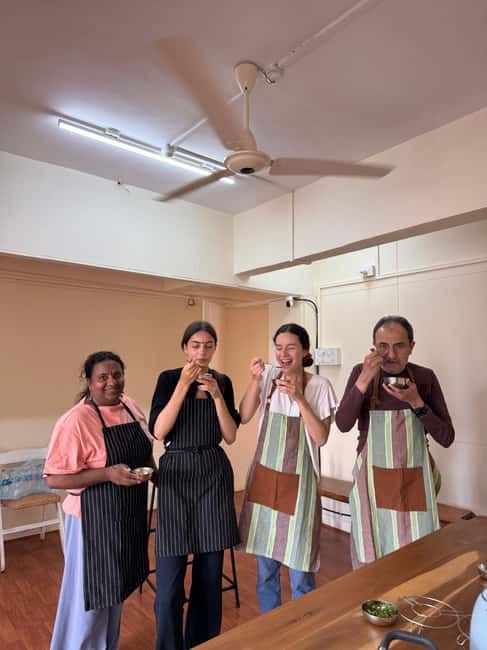
Mumbai can feel like a blur. This experience slows it down in the best possible way by putting you in a Maharashtrian home-cooking routine, starting with a local market walk and ending with a shared lunch. You get the food plus the everyday context that makes it make sense.
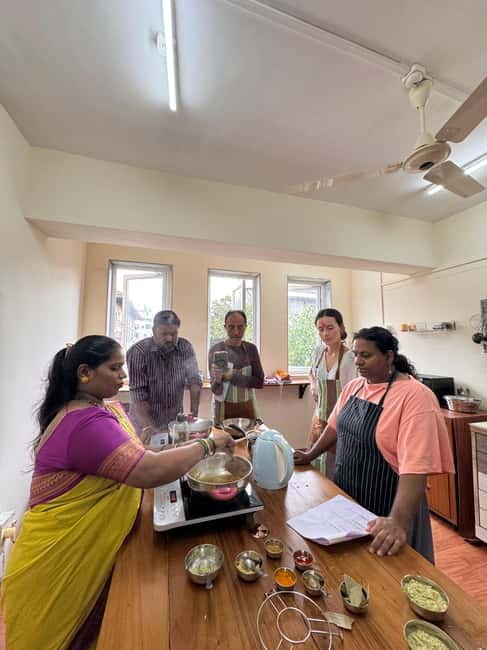
I especially like the small-group setup. With up to 6 participants and a live English guide, questions flow naturally, and you actually get hands-on time. You might even cook alongside a team described by names like Dinesh (guide) and Trupti or Danish (cook).
One possible drawback to plan for: transportation is not included, so you will need to get to the meeting point yourself, and you should come ready to cook hands-on (even if you have zero experience).
Key Highlights You’ll Feel During the 3 Hours
- Market visit before the stove so ingredients stop being abstract
- Small group (max 6) keeps the class relaxed and interactive
- Hands-on multi-course meal where you cook the dishes, not just watch
- Cultural activities mixed in for context beyond the recipes
- English live guide plus home-kitchen teaching style that makes questions easy
Why This Mumbai Cooking Class Works Better Than a Typical Tour
Food tours are everywhere. Cooking classes are common too. What makes this one unusually practical is the rhythm: you see ingredients first, you learn the method next, and then you eat what you made, together.
The “home cook” angle matters. Cooking in a real domestic workflow changes how you understand spices, timing, and texture. You learn what to watch for while food is cooking, not just which ingredient goes in on minute one. That is the difference between collecting recipes and actually gaining skills.
And it is not just a kitchen hour. The program includes a market visit plus cultural activities that connect dishes to daily life in Mumbai. That context helps you remember what you cooked and why it tastes the way it does, even after you are back home with your own stovetop.
More Cooking Classes in Mumbai:
- Pink City Cooking Class
★ 5.0 · 452 reviews - Five Course Cooking Class & Meal
★ 5.0 · 250 reviews - Veg and Non veg : Private Cooking Class in Delhi home (7 meal)
★ 5.0 · 226 reviews
The 3-Hour Plan: From Star Anise to Shared Lunch
This is a tight, well-paced 3-hour experience. The structure is simple, and that is a good sign. You are not being dragged across town for sightseeing. You are building a meal from start to finish.
Meeting at Star Anise Patisserie
You meet by waiting at the entrance of Star Anise patisserie. I like meeting-point clarity like this because it reduces stress. Mumbai is busy. You do not want to start your class late because you were hunting for the right door.
If you are doing other things that day, I suggest building in a little buffer to get there and settle your headspace. Once you start chopping and stirring, you will appreciate arriving calm.
Market Walk: See the Ingredients Before You Touch Them
Next comes the market part. The experience includes a market visit and usually begins with a short walk to understand where the food comes from. In similar sessions, you may see fresh produce and even stalls linked with fish and fruits.
What I like about doing this upfront is that you stop treating spices like magic dust. You connect flavor to sourcing: what is fresh, what is fragrant, what feels seasonal. Even if you cannot name every ingredient, you will start noticing patterns, like what buyers choose and how ingredients look when they are at their best.
Expect the guide to talk through the basics during the walk so you are not starting the kitchen portion blind.
Line these Mumbai options up side by side
- Dharavi Tour & Pottery Workshop
★ 5.0 · 58 reviews - 5 Senses Tour – Old + New Delhi, Workshops, Lunch all inclusive
★ 5.0 · 386 reviews - Indian Cooking Class in an Authentic Local Home – Learn 6 Dishes
★ 5.0 · 195 reviews - Durga Cooking Class
★ 5.0 · 159 reviews
Kitchen Time: Demo, Then You Cook
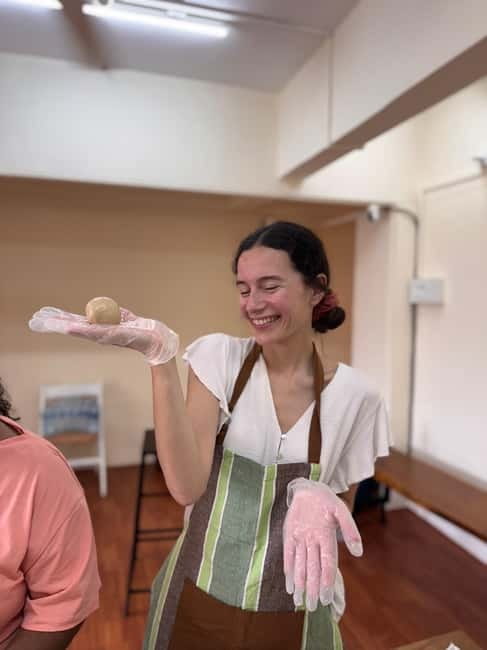
Once you are in the kitchen, the format is hands-on. You will get a demo for the dishes, then you cook each one yourself with help from the cook and guide. Multiple participants highlight this “demo first, hands-on right after” flow as a key reason the experience feels easy and rewarding.
You may cook several dishes, and you typically get practice across different techniques. Some classes include making bread like chapati, and in at least one case, groups were specifically supported to learn chapati and paratha skills. That is a big deal because Indian breads are often the trickiest part for home cooks abroad. If that gets added for your group, you leave with a confidence boost.
Practically speaking, this format is also beginner-friendly. You are learning by doing at a pace that lets you correct mistakes in real time, which you cannot do from a recipe video.
Cultural Activities That Add Meaning, Not Noise
The experience also includes cultural activities. These are not separate entertainment blocks. They connect to food and Mumbai life, and they can be simple, memorable moments.
In some sessions, participants received henna (Mehndi) as part of the cultural element. Even if you are not planning to wear it for the day, it makes the experience feel personal and local, not like an assembly-line cooking workshop.
There may also be food-focused cultural context, such as background on regional cuisine and how certain flavors fit into everyday eating.
Lunch Together: The Payoff
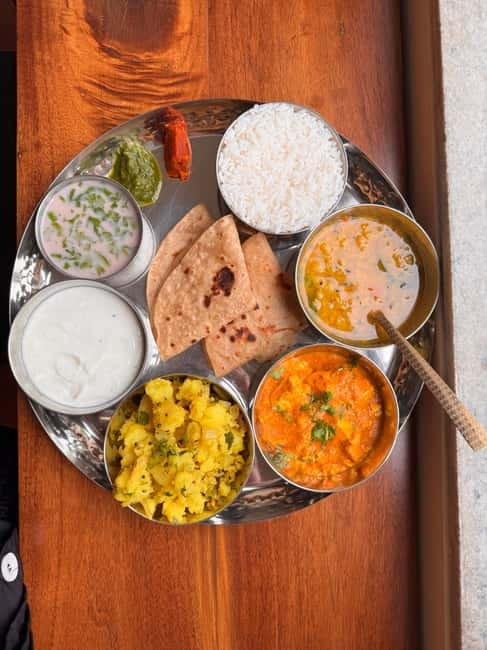
At the end, you sit down and enjoy the multi-course meal you prepared. This is where the whole thing clicks. You taste your choices and your technique. You get to ask last-second questions when they matter most, like why one spice blend tastes sharper than another.
It is also just a nice social moment. Small group settings make it feel like a meal with new friends instead of a class where everyone rushes out.
What You’ll Actually Learn About Maharashtrian Flavors
“Maharashtrian cooking” is a wide umbrella. But the core learning goal here is clear: you understand method and balance, then you can replicate results.
From the way the class is taught, the emphasis tends to be on getting flavor without relying on heavy shortcuts. More than one participant described realizing how you can build deep taste without overly greasy or heavy ingredients. That is useful learning if you want to cook Indian food at home without turning your kitchen upside down with complicated, restaurant-only ingredients.
Spices, Timing, and Texture Checks
Even when the menu changes, the teaching style is consistent: you learn what to look for while food cooks. You might hear instructions about how spices bloom, how pastes should smell as they cook, and how to judge doneness by the feel and appearance rather than a timer.
If you only follow directions, you get dishes once. If you learn cues, you can cook them again in your own kitchen with your own pans.
Bread Skills (If Your Group Includes Chapati or Paratha Practice)
Bread can be intimidating. Many cooking classes skip it or leave you with one small task. In these sessions, you can get actual guided practice. If you end up rolling or cooking chapati, and possibly paratha, that is hands-on skill building you can use for years.
Even if you already cook at home, bread practice tends to fix bad habits. The class helps you understand how dough behaves, how heat matters, and how to avoid common texture problems.
The Cultural Side: Henna, Food Stories, and Everyday Mumbai
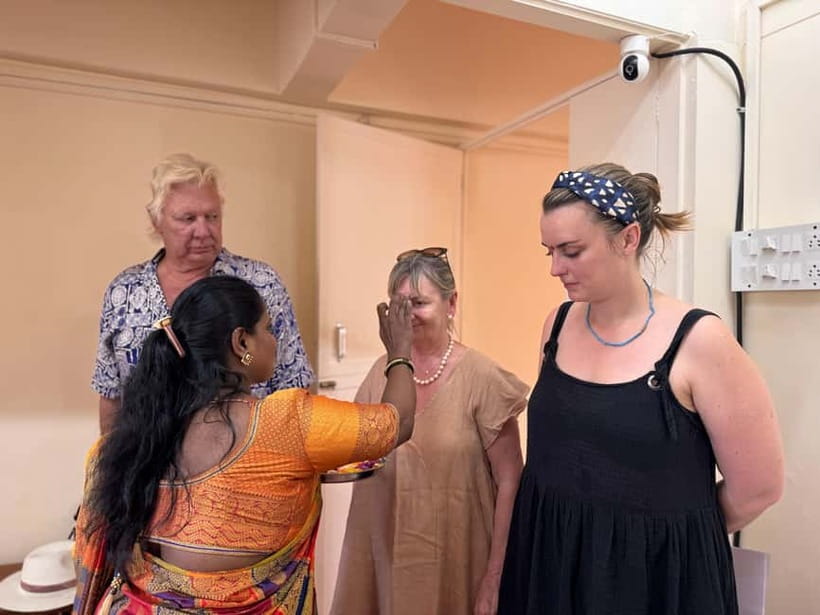
This is not only about taste. It is also about how food sits inside daily culture.
Henna as a Bonus Moment
Henna Mehndi is described in the experience as part of the cultural activities. If you get it, it is a fun souvenir that is tied to the day, not just a photo prop. If you do not get it, the cultural element still matters, because the guide focuses on how ingredients and techniques relate to local habits.
One smart approach: treat any cultural activity as a chance to ask questions. If someone explains what something means, you will remember it later when you cook the food at home.
Food Background That Helps You Cook With Intention
The guide also shares context about ingredients and cuisine background. That kind of explanation turns a recipe into a story you can recall. When you cook again, you will know what the flavor is trying to do, like whether it should be earthy, warm, tangy, or balanced.
That is how you stop copying and start cooking.
Price and Value: Why $27 Feels Like More Than a Deal
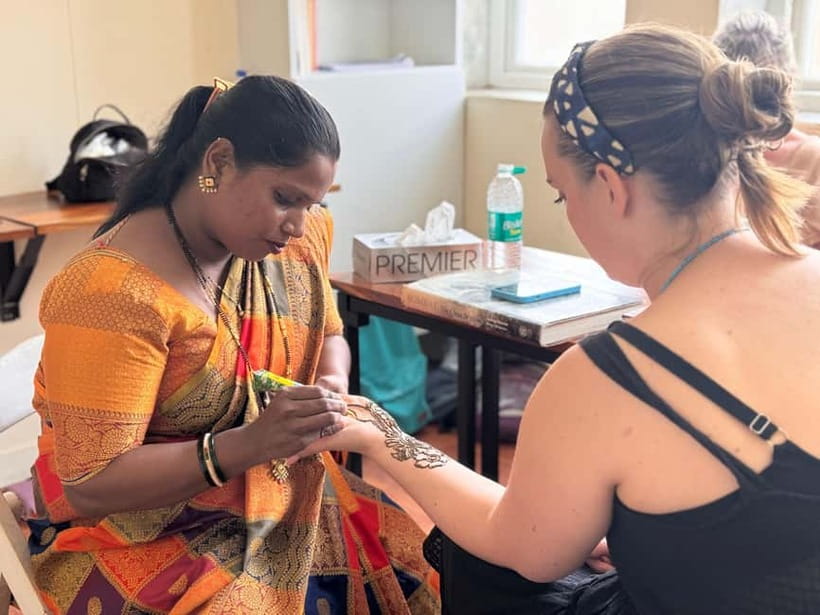
At $27 per person for a 3-hour, small-group class, the value is strong because you are paying for three things at once:
- Instruction plus hands-on time (you cook, not just watch)
- Ingredients and meal (you end up eating what you make)
- Local market context plus cultural add-ons (market walk and cultural activities)
This is not a “drop in, grab a snack, and leave” activity. It is structured. A small group of up to 6 helps the teaching time feel personal, and that is where cheap classes often fail.
Also, live English guiding matters. Language is not a luxury if you want to learn. You cannot easily pick up cooking cues through gestures alone.
If you are budgeting for Mumbai, this is one of those experiences that gives you a skill outcome plus an edible memory. You still pay for it, but you also carry something home.
Logistics You Should Plan For (So the Day Stays Fun)
Bring Yourself, Transportation Is Not Included
Transportation to and from the activity is not included. So figure out your own route to the meeting point at Star Anise patisserie entrance. Give yourself extra time, because getting distracted by the neighborhood is easy once you are in “just walking” mode.
Expect Hands-On Cooking
This is a hands-on class. You will get involved in cooking steps, not just tasting. It is friendly to beginners, and multiple participants stated that people with no cooking experience can join. Still, go in with the right mindset, you are learning with your hands.
Wear Practical Clothes
You will likely be standing, chopping, and moving between cooking stations. Wear something you can get a little messy in, and closed-toe shoes are smart. If you have jewelry, consider taking off anything you worry about.
English Guide
The guide is English-speaking. That makes it easier to ask questions like why one ingredient changes the final taste, or what to do if something seems too thick or too dry.
Who This Class Suits Best (And Who Might Want Another Option)
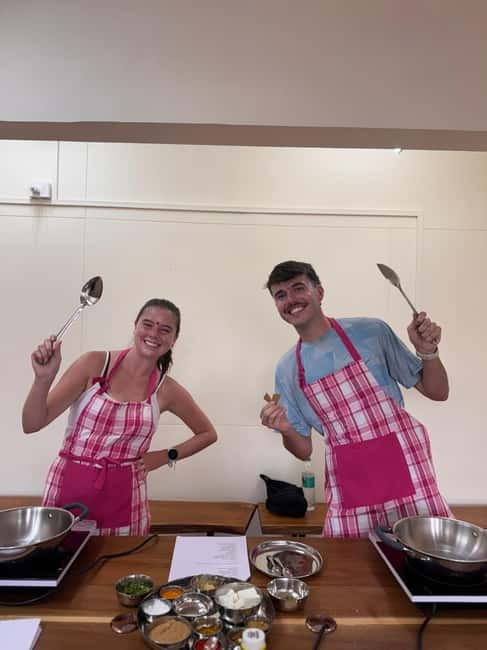
This experience is a great fit if you want your Mumbai day to produce a real result you can repeat at home.
You will probably love it if:
- You enjoy learning by doing
- You want a break from typical sightseeing
- You like small groups and conversation
- You want to cook Indian food in a structured, supportive way
It may not be ideal if:
- You only want a light, passive activity
- You are unwilling to get hands-on with cooking
- You are depending on the tour for transport, since that part is not included
Also, if you have dietary restrictions, the class is cooking a multi-course meal, so you should plan to communicate needs in advance.
The Bottom Line: Should You Book This Mumbai Cooking Class?
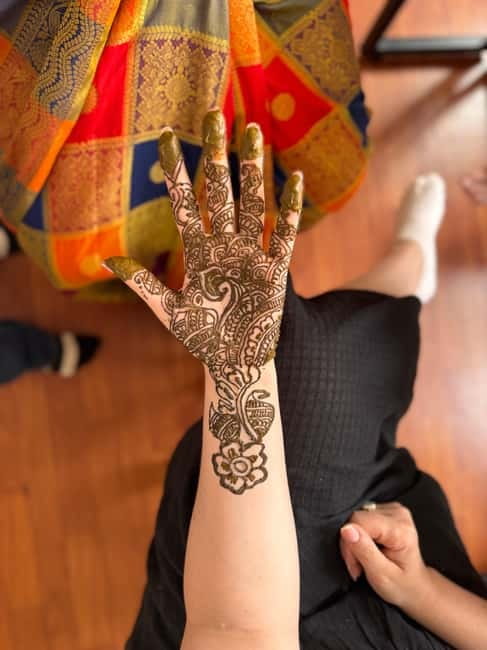
I think it is an easy yes for most people visiting Mumbai, especially if you like food and want more than a one-time meal. The mix of a market visit, hands-on multi-course cooking, and cultural activities makes it feel like more than a workshop. And the small group size, limited to 6, keeps the learning personal.
Book it if you want to leave with skills, not just photos. Skip it if you need transportation handled for you or you want a purely sightseeing style day.
If you want one structured, local, and actually useful experience in Mumbai, this is a strong choice.
FAQ
How long is the Mumbai cooking class?
The experience lasts 3 hours.
How much does it cost?
It costs $27 per person.
Where is the meeting point?
You meet by waiting at the entrance of Star Anise patisserie.
Is transportation to and from the class included?
No. Transportation is not included.
What’s included in the experience?
Included are an authentic Maharashtrian cooking class, a market visit, cultural activities, and multi-course meal preparation.
Do I need cooking experience to join?
No. Anyone can join, including people without cooking experience.
What language is the tour guide?
The live tour guide speaks English.
Is the experience wheelchair accessible?
Yes, it is listed as wheelchair accessible.
Latest reviews in from Mumbai
- Mumbai Spice Markets and Bazaars Tour with Guide and Transport★ 5.0 · 42 reviews
- Mumbai Dharavi Slum, Dhobi Ghat & Dabbawala Lunchbox Tour★ 5.0 · 43 reviews
- Private Dharavi Slum Tour with Mumbai Sightseeing★ 5.0 · 43 reviews
- Private Guided Tour in Kanheri Cave with Transfers★ 5.0 · 44 reviews
- Private Guided Walking Tour in Dharavi Slums★ 5.0 · 44 reviews
- Bollywood Tour with Original founder★ 4.5 · 44 reviews
- Mumbai Private Cultural Tour with Lunch and Transport★ 5.0 · 44 reviews
- Unveiling Bollywood: Grand Tour of Iconic Real Sets & Their Story★ 4.5 · 44 reviews
Cooking Classes, compared.
Veg and Non veg : Private Cooking Class in Delhi home (7 meal)
Read our review →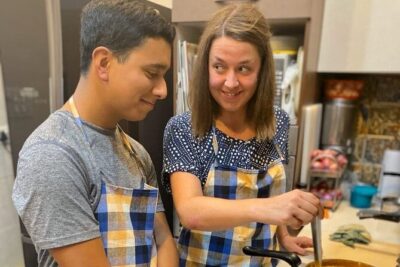
Indian Cooking Class in an Authentic Local Home – Learn 6 Dishes
Read our review →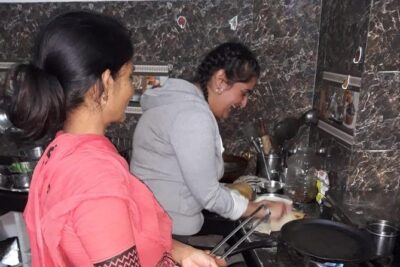
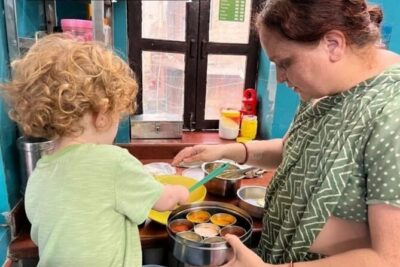
Private Guided Cooking Workshop Experience in Jodhphur
Read our review →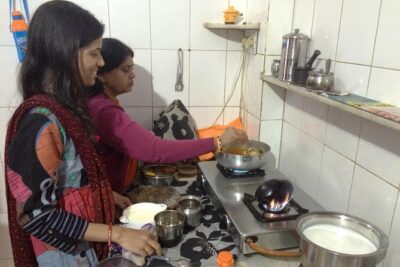
Jaipur Market Tour & Vegetarian Rajasthani Home Cooking Class
Read our review →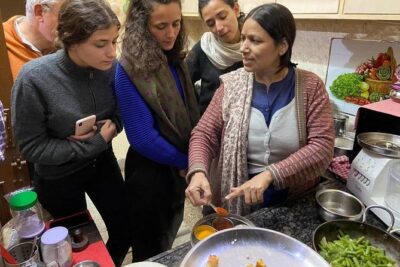
Cooking Class in Jaipur – Family Experience with Meal & Transport
Read our review →Browse the lists this tour appears in