
Reviewed · COOKING CLASSES
Kerala Traditional village cooking class (Munnar)
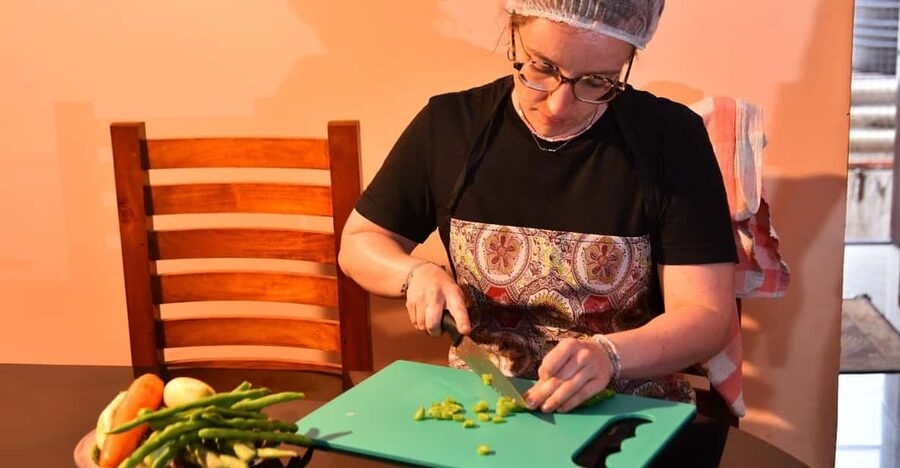
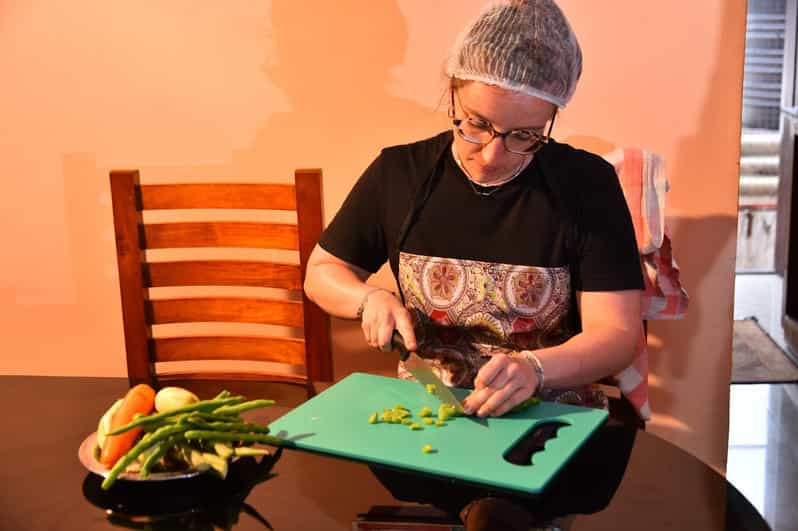
This is interesting because you’re not booking a staged cooking show. You cook in a local home in Munnar with Mr Raveendra Kumar and Mrs Selvi, and the day starts with a market visit so your ingredients make sense before the first pan heats up. I love the hands-on format where you help make multiple dishes, and you finish with a proper table meal. One drawback to plan for, the 4 hours can run long by 1 hour or more depending on what gets cooked.
You also get a clear look at how Kerala food and everyday life connect, including medicinal supplements that are traditionally used alongside meals. The class is run in English, Tamil, Malayalam, and the hosts have been serving food and teaching since 2001, which shows in how smooth the flow feels.
Key Things To Know Before You Go
- Start with a real market to choose local fruits, vegetables, spices, and what you’ll cook later
- Cook with a plan finalized in advance, since the menu is locked at least 12 hours before class time
- Learn core Kerala ingredients like coconut milk, curry leaves, mustard seeds, turmeric, coriander, and cumin
- Hands-on cooking in groups with step-by-step guidance and teamwork built into the class
- Expect a full tasting table, with welcome drinks, snacks, main dishes, and dessert
- Plan for flexible timing, because the 4-hour class may extend 1 hour or more
A Munnar Home Kitchen Run by Mr Raveendra Kumar and Mrs Selvi
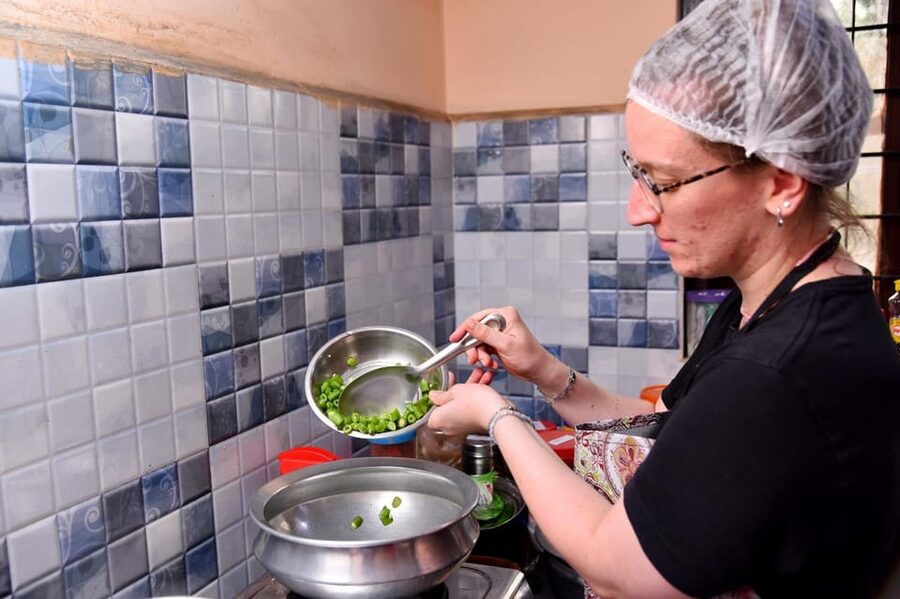
This class is built around two people, Mr Raveendra Kumar and Mrs Selvi, who turn a home kitchen into a classroom. The vibe is practical, warm, and unhurried, and it helps that they have been doing this since 2001, meaning they know how to teach without turning it into a lecture marathon.
For you, that matters because you get explanations you can actually use later. It’s not just what to cook, it’s how coconut-based gravies, spice layering, and tempering techniques come together in Kerala food. If you like food that feels like it belongs to a place, this format usually clicks fast.
More Cooking Classes in Munnar:
- Pink City Cooking Class
★ 5.0 · 452 reviews - Five Course Cooking Class & Meal
★ 5.0 · 250 reviews - Veg and Non veg : Private Cooking Class in Delhi home (7 meal)
★ 5.0 · 226 reviews
Why the Market Visit Changes Everything in Kerala Cooking
One of my favorite parts of this experience is that you go to the market before the cooking starts. You’re not handed a list of ingredients. You see what’s available locally, and you get a sense of which vegetables, spices, and produce are everyday staples in Munnar.
In Kerala cooking, the taste is often about freshness and balance, not fancy techniques. When you’ve picked ingredients with guidance, you also learn what to look for later if you try recreating dishes at home. It’s a simple step, but it makes the whole meal feel more grounded.
You’ll also get your bearings for the day. Expect to spend time selecting produce, then carry that same thinking into the kitchen as you start learning specific recipes.
The Menu Plan: Veg, Non-Veg, Snacks, Welcome Drinks, Dessert
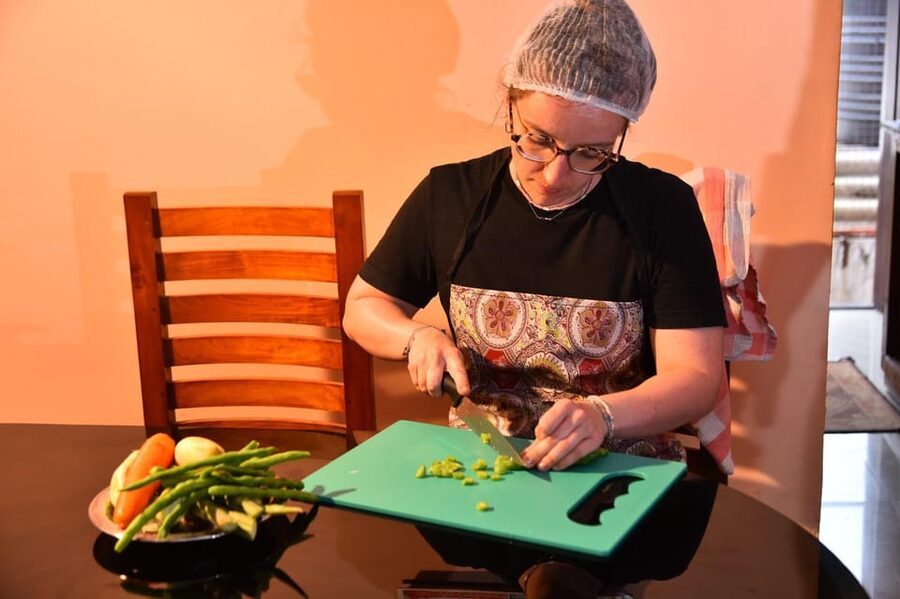
The menu is designed to be varied, and it’s organized into categories: Veg, Non-Veg, Snacks, Welcome drinks, and Dessert. The exact dishes depend on what the class selects, but the examples you might see include appam and stew, fish curry, avial, and puttu with kadala curry.
A useful detail for planning is that the menu should be finalized at least 12 hours before the class starts. That means the hosts can prepare ingredients and structure the cooking so you’re not just waiting around for chaos.
If you want vegetarian learning, the class can be vegetarian-friendly because the menu is built with Veg options. If you’re going for the full Kerala spread, you can also expect non-veg dishes to appear when that’s part of your group selection.
Ingredient Walkthroughs: Coconut Milk, Curry Leaves, and Spice Logic
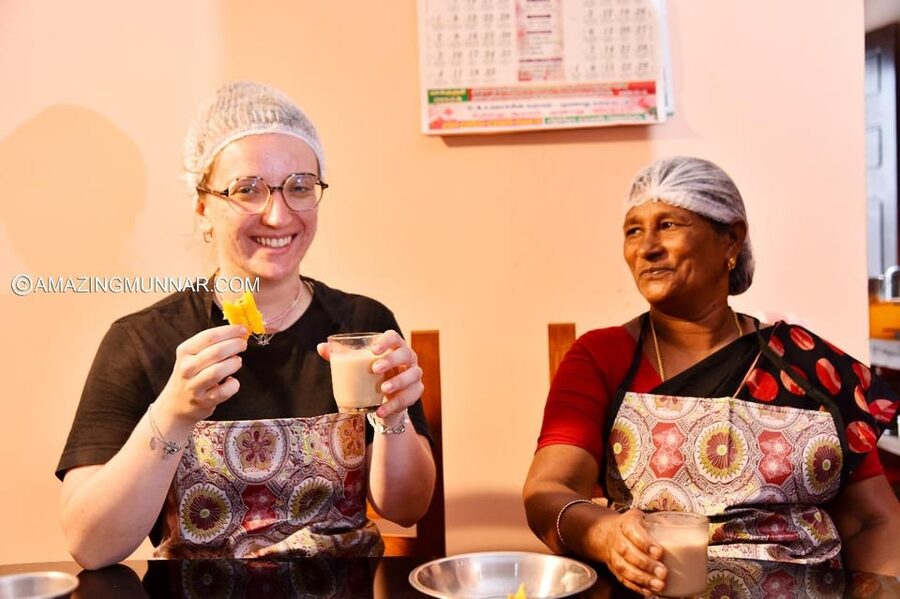
Before the stove work begins, you get introduced to core ingredients that show up again and again in Kerala cuisine. You’ll typically learn about coconut milk, curry leaves, mustard seeds, and key spice flavors such as turmeric, coriander, and cumin.
What I like about this step is that it gives you a framework. Instead of treating each dish like a separate puzzle, you start to see patterns: when coconut is used for body, why mustard seeds pop, how spices are timed, and how turmeric and coriander set the tone for many curries.
This also helps with flavor troubleshooting. If your avial feels flat at home, you’ll know what ingredient roles you might adjust. If your stew lacks depth, you’ll understand which spice steps to pay attention to.
Line these Munnar options up side by side
- 5 Senses Tour – Old + New Delhi, Workshops, Lunch all inclusive
★ 5.0 · 386 reviews - Indian Cooking Class in an Authentic Local Home – Learn 6 Dishes
★ 5.0 · 195 reviews - Durga Cooking Class
★ 5.0 · 159 reviews - Private Guided Cooking Workshop Experience in Jodhphur
★ 5.0 · 158 reviews
Live Demonstrations That Stay Practical, Not Theoretical
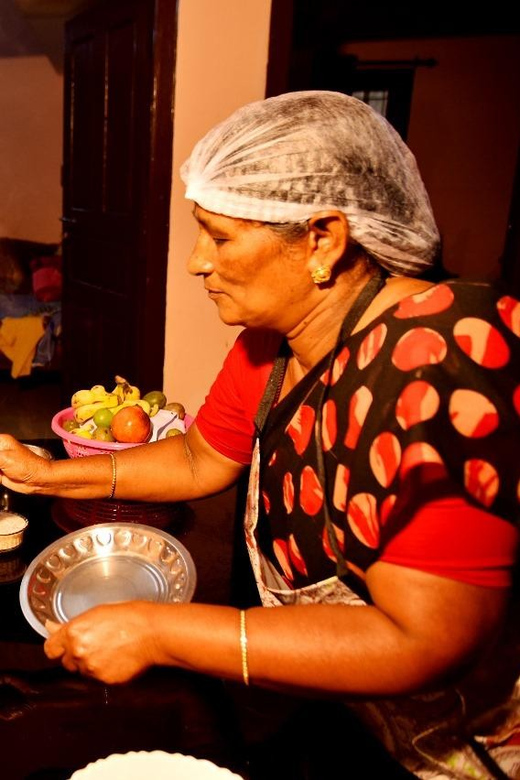
After the ingredient intro, you move into live cooking demonstrations. The hosts guide you step-by-step, explaining techniques and the procedure of adding ingredients so you understand why each stage exists.
This is where the class earns its value. You’re watching real Kerala methods, not generic Indian cooking. You also get room for questions, and you can ask about specific techniques, ingredient choices, or what to do if a flavor doesn’t land right.
From the tone of the class style, it’s also clear they’re sharing cultural context along the way. You don’t just learn to cook, you learn how the dish fits into village life and local rhythms.
Hands-On Cooking in Groups: Learn by Doing, Not Just Watching
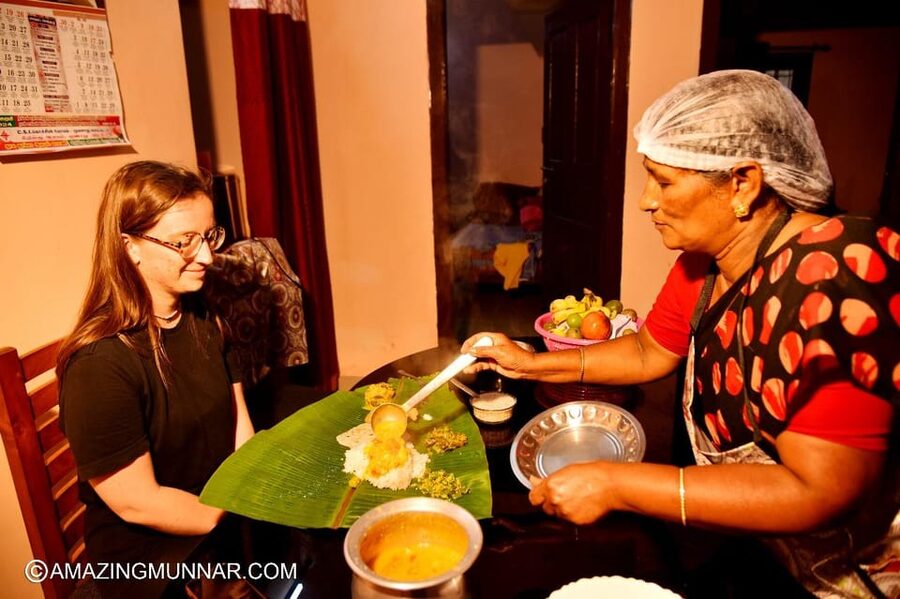
Then comes the part most people sign up for: hands-on cooking. After demonstrations, you’re divided into groups and assigned dishes to prepare under guidance. You’ll get individual help when needed, which is important if you’re not an experienced cook.
This group setup is more than fun. It’s efficient. It also forces you to practice small tasks that create real dish structure, like measuring spices, timing additions, mixing textures, and adjusting seasoning at the right point.
If you care about cooking outcomes, this is the moment. You’re not just observing how avial or stew might be built, you’re doing the building yourself. And since Kerala dishes often depend on texture and balance, this practice helps you understand the feel of the cooking.
Dishes You May Cook: Kerala Comfort With Strong Flavor Foundations
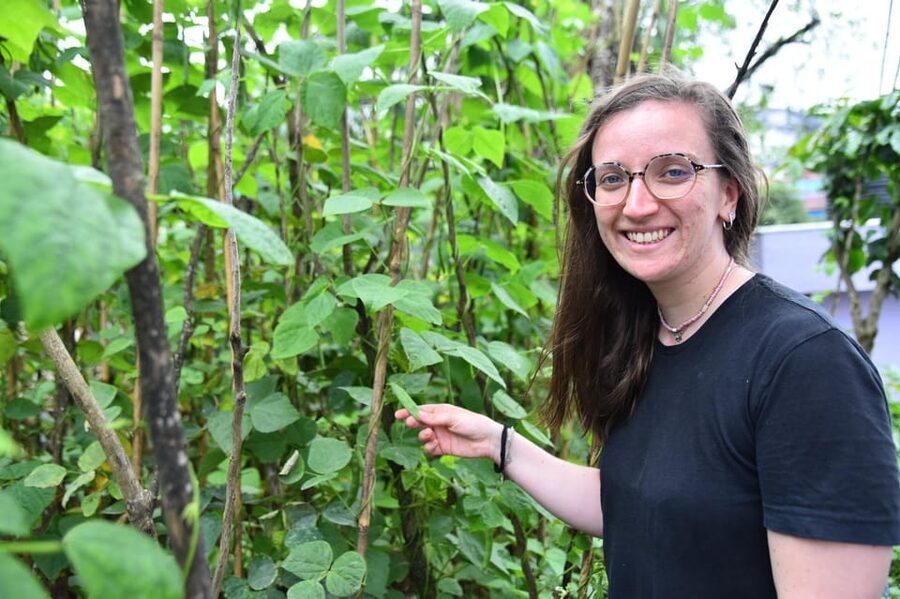
You can’t guarantee every exact dish, because the menu depends on what’s scheduled for your class. But the cooking examples give you a good sense of the range.
Here are some dish types you should be ready for:
- Appam and stew, where coconut and spice meet soft, comforting flavors
- Fish curry, where spice layering and sauce thickness matter
- Avial, which is about vegetable variety and balanced seasoning
- Puttu and kadala curry, where steamed textures pair with spiced legumes
If your goal is to go beyond one recipe, this class works because it can cover multiple culinary styles in one session. You’ll learn how different cooking paths share the same ingredient logic.
Also, the experience aims to teach traditional Munnar village dishes, with attention to medicinal supplements. The focus isn’t on modern nutrition claims, it’s on the way local people historically used certain ingredients and blends in everyday meals.
Tasting Session: Welcome Drinks, Snacks, and a Full Table Meal
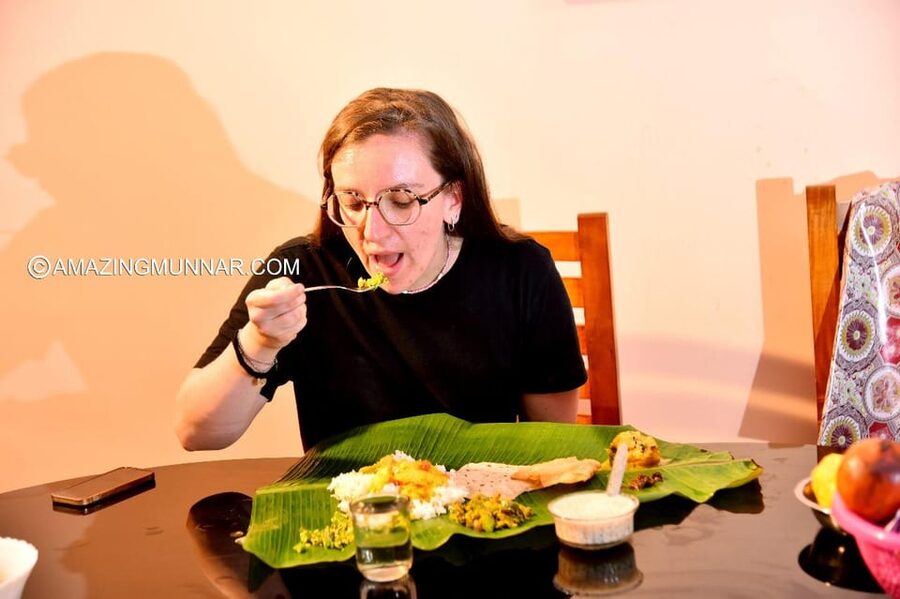
Once cooking finishes, everyone sits down for a tasting session. This is where you get to compare your group’s work with the rest of the dishes on the table. You’ll sample what you made and what others prepared, then talk through flavors, textures, and aromas.
I like tasting sessions that encourage feedback, because it turns your cooking into learning. If something is too spicy, too salty, or lacks fragrance, you can ask what to adjust next time. It’s a built-in coaching moment.
Expect more than just one small bite. The class includes meal and snacks, and you may also get welcome drinks and dessert as part of the overall spread. A water bottle is included, which helps keep the pace comfortable.
Q&A and Farewell: Ask What You Really Want to Know
The class wraps with a Q&A session so you can clarify any remaining questions. This is useful if you’re planning to cook later at home and want direct guidance on techniques, spice timing, or ingredient substitutions.
You’ll also get a friendly close with a request for feedback. That last part matters for you too. When a provider asks for feedback, it usually means the teaching style is responsive, not rigid.
Timing, Pickup Radius, and Other Practical Logistics
This experience runs 4 hours, but be flexible. The activity may extend by 1 hour or more based on dishes, so schedule with a little breathing room afterward. If you’re stacking other tours in Munnar, I’d avoid a hard back-to-back timeline.
Pickup is included with limits. You can get free pick up and drop up to a 2 km radius from Munnar town. If you need pickup from a hotel outside that area, additional charges apply. If your lodging is on the edge of town or hard to find, it’s smart to confirm the exact pickup point before the day starts, so you’re not playing phone tag.
Private group is also part of the value. It typically feels calmer and makes hands-on cooking easier to manage, especially when you’re learning step-by-step.
For added convenience, you get travel guidance included. That can help you connect the cooking class with other Munnar ideas, especially if you want a food-and-nature afternoon rather than only sightseeing.
Rules and Comfort Notes: Who It Suits Best
This cooking class is designed for a respectful home setting. Pets are not allowed, and intoxication, alcohol, and drugs are not allowed. Alcoholic drinks are also not permitted in the vehicle, so you can expect a family-friendly atmosphere.
In terms of comfort and accessibility, the location is listed as wheelchair accessible. At the same time, the activity is not suitable for visually impaired people or hearing-impaired people, so if that affects you, you’ll want to ask the provider before booking to understand how the instruction is delivered.
If you’re the type of traveler who likes hands-on learning, you’ll probably love this. If you prefer purely observational tours, you might find the pace a bit too hands-on, but it’s still structured with demonstrations and group tasks.
Value for $21: What You Get That Most Classes Don’t
At about $21 per person for roughly 4 hours, this is strong value because you get a full package:
- A market visit where you select produce and spices
- Lecture and live demonstration
- Hands-on cooking with group assignments
- A meal plus snacks, and likely welcome drinks and dessert
- Cooking tools like knife, apron, and cutting board
- Pen and paper for notes
- Travel guidance and a water bottle
The real value is the combination. Many cooking classes stop at one dish or one basic demonstration. Here, the structure supports multiple dishes, plus tasting and Q&A, so you leave with a better sense of Kerala cuisine as a system, not just a single recipe.
Should You Book the Kerala Traditional Village Cooking Class in Munnar?
Book it if you want authentic Kerala village cooking, with real ingredient guidance and a home-kitchen feel. This is especially worth it when you care about learning techniques like spice timing and coconut-based flavor building, because the class teaches the why, not only the what.
Skip or think twice if you have concerns about sensory accessibility, since it’s not suitable for visually impaired or hearing-impaired people as listed. Also, if your day is tightly scheduled, plan around possible overrun, since the class can go 1 hour longer.
If you can give the day some slack, and you like meeting local hosts in a real kitchen, this is the kind of experience that stays useful long after your trip.
FAQ
How long is the Kerala Traditional village cooking class in Munnar?
The class duration is listed as 4 hours. The activity may extend by 1 hour or more depending on the dishes.
Is pickup and drop included?
Yes, pickup and drop are included for free within a 2 km radius from Munnar town. If you need pickup from a hotel outside that area, additional charges apply.
What’s included in the class?
Included items are lecture and demonstration, meal and snacks, water bottle, market visit, travel guidance, and the cooking tools (knife, apron, cutting board), plus pen and paper.
What dishes might I cook?
The menu can include Kerala dishes such as appam and stew, fish curry, avial, and puttu with kadala curry. The menu is finalized at least 12 hours before the class starts, and it’s categorized into Veg, Non-Veg, Snacks, Welcome drinks, and Dessert.
What languages are the instructors available in?
The instructor languages listed are English, Tamil, and Malayalam.
Is this a private group or shared group?
It is listed as a private group.
Is the experience wheelchair accessible?
Yes, the activity is listed as wheelchair accessible. However, it is not suitable for visually impaired people or hearing-impaired people.
Are there any rules about alcohol or pets?
Pets are not allowed. Intoxication, alcohol, and drugs are not allowed, and alcoholic drinks are not permitted in the vehicle.
Latest reviews in from Munnar
- half day trekking★ 5.0 · 44 reviews
- Tea planation walking In Munnar- (by Munnar Info)★ 5.0 · 53 reviews
- Sunrise Tour in Top Station, Munnar ( By Munnar Info)★ 5.0 · 56 reviews
- Munnar Tea Plantation Walk with Sunset View (By Munnar Info)★ 4.5 · 72 reviews
- Munnar Tea valley Tour ( By Munnar Info)★ 5.0 · 83 reviews
- Half Day Hiking in Munnar Trekking Tour★ 5.0 · 89 reviews
- Wild Elephant Anakulam & Waterfalls Tour(munnar valley Trekking)★ 5.0 · 98 reviews
- Full day in hiking in Munnar (By Munnar Info)★ 5.0 · 176 reviews
Cooking Classes, compared.
Veg and Non veg : Private Cooking Class in Delhi home (7 meal)
Read our review →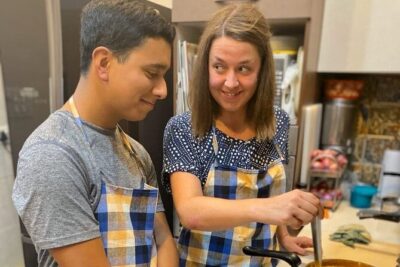
Indian Cooking Class in an Authentic Local Home – Learn 6 Dishes
Read our review →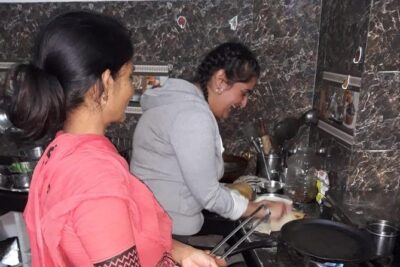
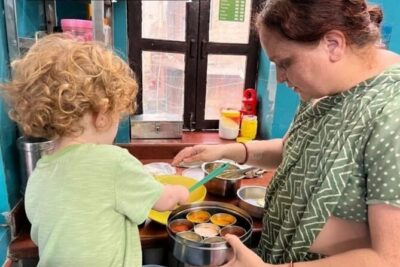
Private Guided Cooking Workshop Experience in Jodhphur
Read our review →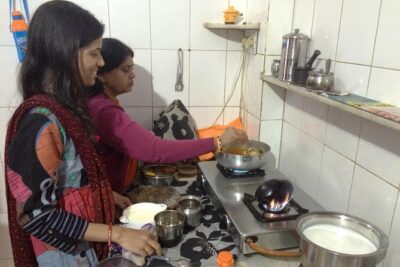
Jaipur Market Tour & Vegetarian Rajasthani Home Cooking Class
Read our review →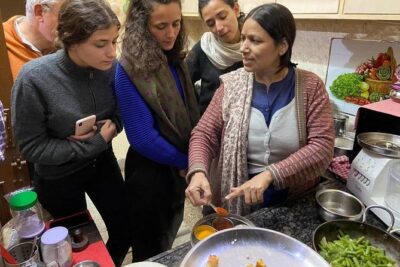
Cooking Class in Jaipur – Family Experience with Meal & Transport
Read our review →Browse the lists this tour appears in