
Reviewed · UDAIPUR TOURS
Farm to Table: With a local farmer family
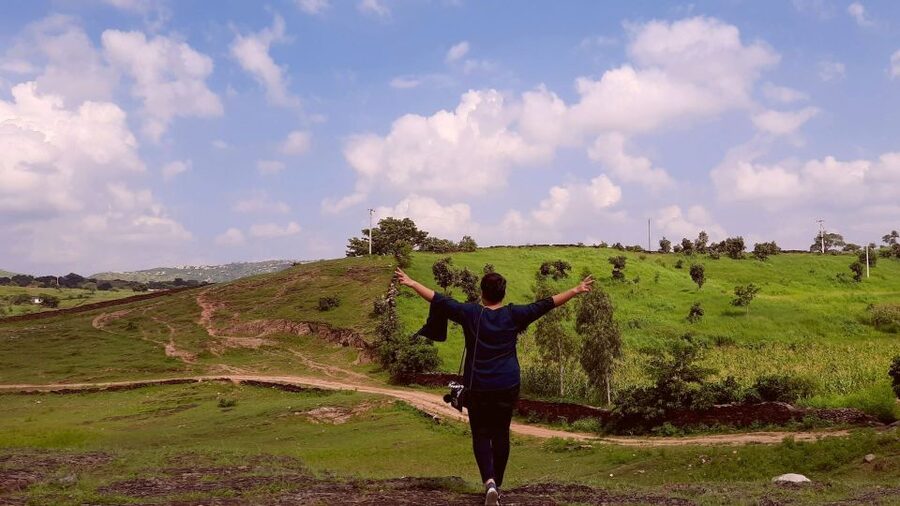
This farm-to-table experience near Udaipur is interesting because it stays grounded in everyday rural life, from the fields to the cooking fire. I like the farm walk to local temples and devras, because you see the place where food and faith sit side by side. One thing to plan for is logistics, the venue is on the outskirts, so you may need help getting there if you do not already have conveyance.
I also like the hands-on cooking lesson, especially learning spice work and shaping dough for Dal Bati. The setting is likely simple and traditional, with open-air cooking and a mudclay-style stove, not a polished restaurant kitchen.
Quick Hits Before You Go
- Short farm walk through crops like mustard greens and chickpea flour fields, plus visits to nearby temples and devras
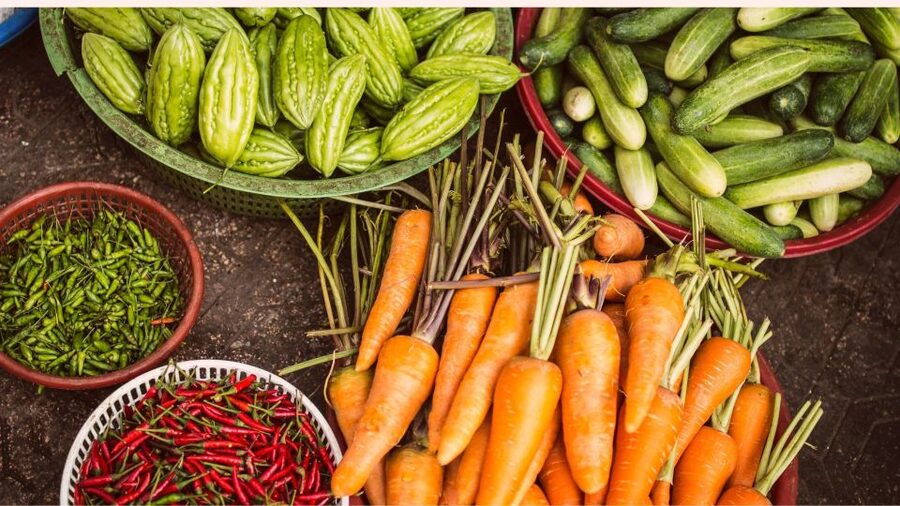
- Hands-on farmer time, including plucking fresh veggies with your hosts
- Spice-making lesson focused on native masalas, not generic seasoning packets
- Cooking session for classic Rajasthani dishes like Dal Bati, Churma, Sarson Ka Saag, and Gatte Ka Saag
- A real group feast under a neem tree, plus a cooling glass of chaas (yogurt buttermilk)
- Cultural add-ons with local artisans and musicians during the meal
From Udaipur Outskirts to Farm Fields and Devras
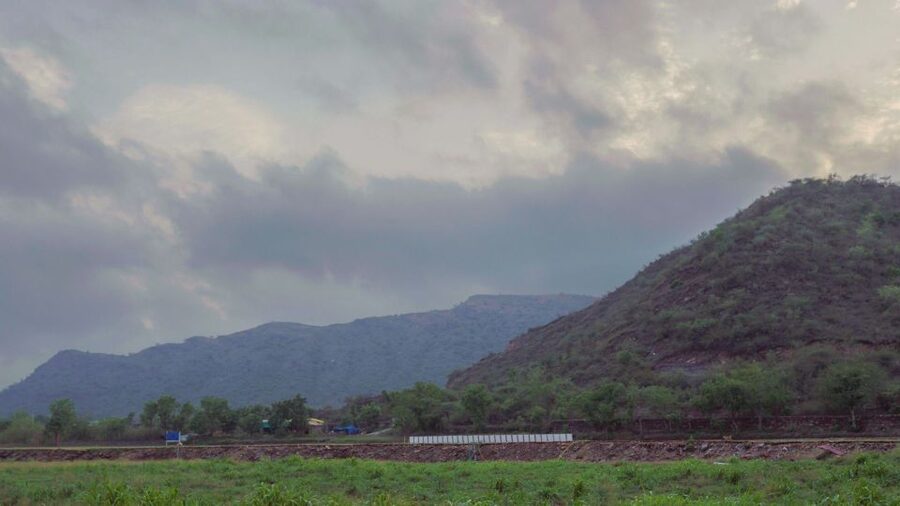
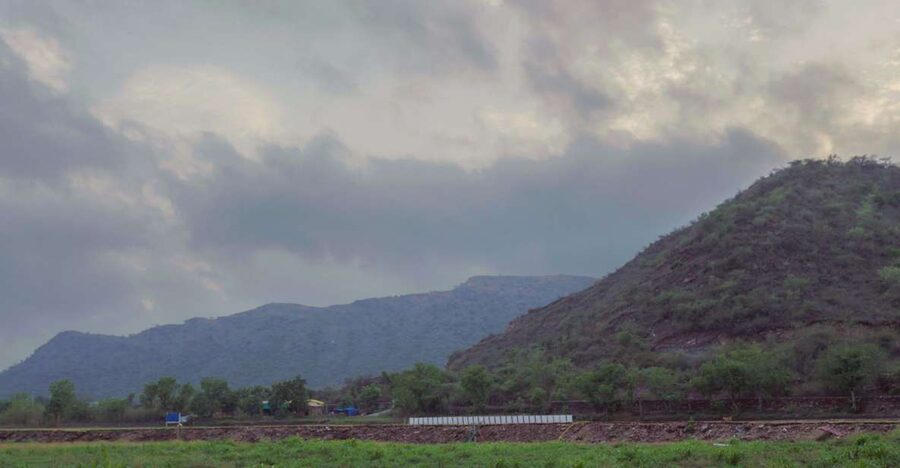
You start out in the village area on the outskirts of Udaipur, where the day has that earthy, outdoors smell before the first sip of anything. Your host meets you at the agreed meeting point, and then you move on with local farmers and village folks as guides.
The first stretch is a short walking tour. You go through fields where crops are grown, and you’ll also see local spiritual stops, temples and devras. In Rajasthan, these small religious spaces are part of how daily life is organized, so it helps you understand why people treat land and food as more than a product.
This isn’t a long, exhausting hike. It’s meant to be a warm introduction, the kind that gets you talking and looking closely before you get to the kitchen.
Line these Udaipur options up side by side
- Full-Day Private Udaipur Sightseeing Tour with optional Guide
★ 5.0 · 543 reviews - Private Udaipur Sightseeing Tour with Guide
★ 5.0 · 193 reviews - Durga Cooking Class
★ 5.0 · 159 reviews
Meet the Farmers, Pluck Veggies, and Learn Real Methods
One of the best parts is how quickly you shift from watching to participating. After the initial walk, you interact with local farmers and get time to pluck fresh farm veggies with them.
You also learn about traditional farming methods. The tour includes crops such as mustard greens and chickpea flour, so it’s not just “look at the farm,” it’s “here is what these plants become on your plate.”
Even if your farming knowledge is zero, you’ll leave with a clearer idea of the work behind common ingredients. That matters because many cooking experiences stop at food. Here, the food has context, and you get to see it in motion.
The Spice Lesson: Getting Hands-On With Native Masalas
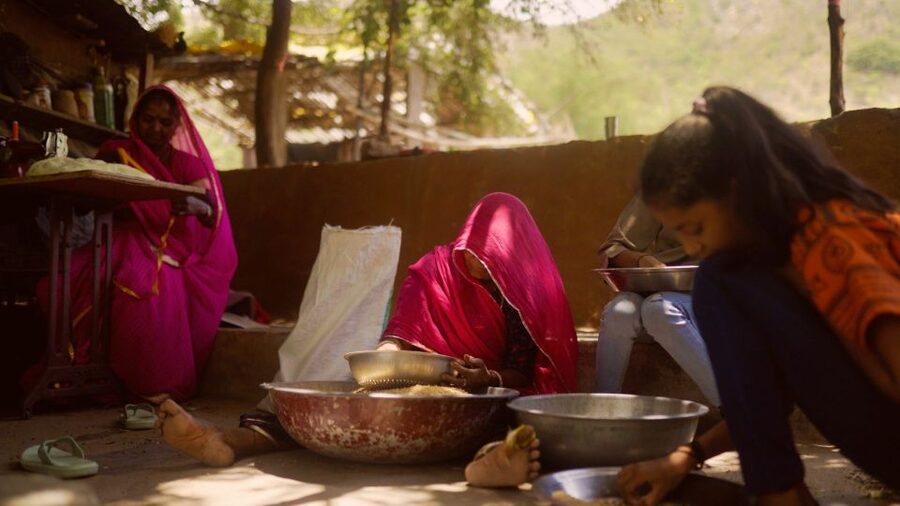
Before you cook, you learn spice basics in the kitchen setup. The experience includes an informative cooking lesson with a focus on making spice and understanding how those native masalas work together.
This is where I think this tour earns its value. When you learn the logic behind spice blends, later meals at home make more sense. You’re not just tasting, you’re understanding why the dish tastes the way it does.
Expect something practical, not a lecture. You’ll be close enough to follow what’s happening, and the goal is for you to be able to connect ingredients to flavor.
Cooking Dal Bati and Churma in a Wood-Fired Clay Oven
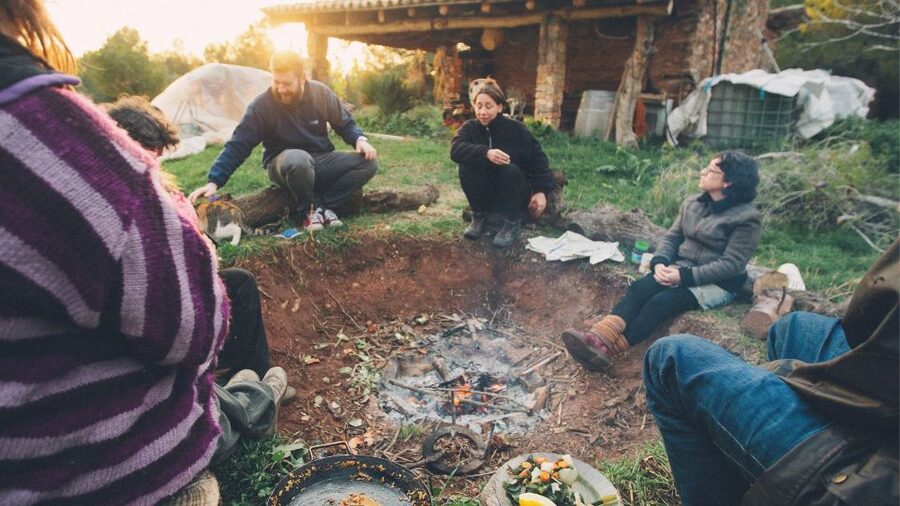
Now you get into the cooking flow. The plan centers on an open-air kitchen where you prepare classic Rajasthani dishes.
A different shape of Udaipur day:
- Traditional miniature painting class at Pacific Art
★ 5.0 · 149 reviews - Full Day Udaipur Sightseeing Tour with optional Guide
★ 5.0 · 143 reviews - Udaipur: Full Day Private City Tour with Optional Boat Ride
★ 4.7 · 130 reviews - Kumbhalgarh & Ranakpur Day Trip from Udaipur with Guide and Lunch
★ 5.0 · 125 reviews
Dal Bati: the dough work and the oven heat
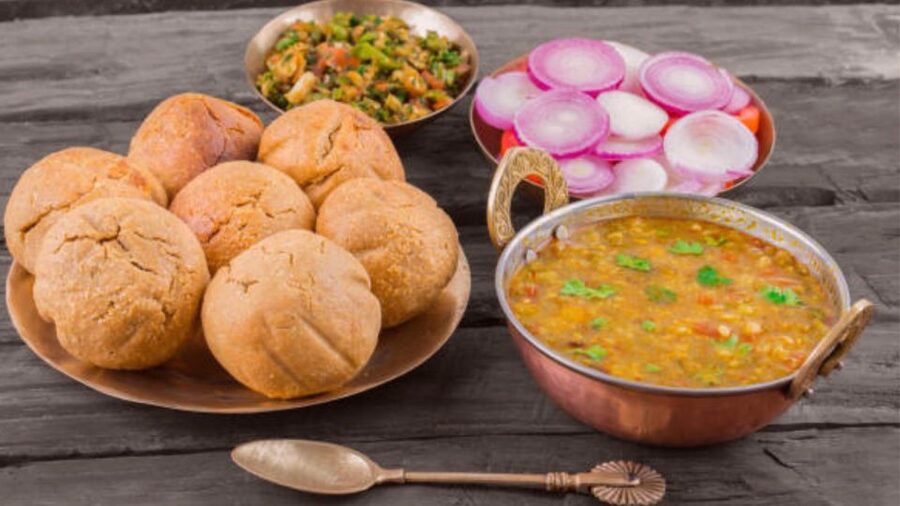
You craft dough for batis, which are baked in a wood-fired clay oven. This is a key detail because it changes the feel of the food. Wood fire cooking is part of local technique, and you get to see how heat and timing shape the result.
Then you pair those batis with lentil curry spiced with native masalas. You are not just assembling. You’re learning how the different components are meant to work together.
Churma: crushed batis, ghee, and local jaggery
For Churma, the process shifts from baking to finishing. You mix crushed batis with ghee and jaggery, the sweetener that gives this dish its signature character.
This is one of those foods where small steps matter. The texture comes from how it’s crushed and combined, so it’s worth paying attention rather than treating it like a quick dessert stop.
Sarson Ka Saag and Gatte Ka Saag, From Field to Bowl
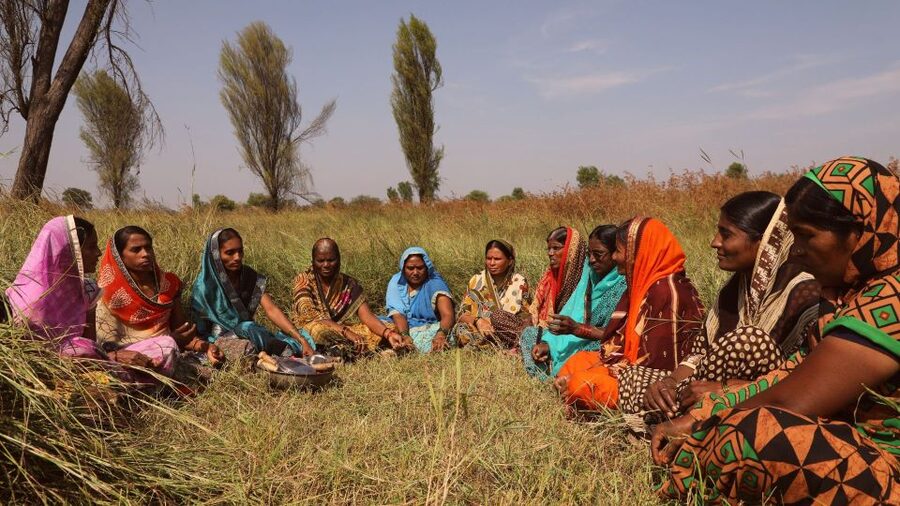
The menu also includes two other heavy hitters, and both connect strongly to crops you see earlier.
Sarson Ka Saag: mustard greens with a peppery edge
You get Sarson Ka Saag, made from mustard greens. If you know mustard from the condiment, it is not the same thing, but the plant family traits still come through. Expect a warm, earthy taste that feels at home in cooler weather.
Since mustard is part of the earlier field discussion, this dish feels like a payoff. You can mentally trace the green in front of you to the bowl in front of you.
Gatte Ka Saag: chickpea flour dumplings in spicy curry
Next comes Gatte Ka Saag, with chickpea flour dumplings cooked in a rich, spicy curry. Dumpling dishes are often misunderstood as “just boiled.” Here, you learn the process matters because the curry coats and builds flavor.
This is also the kind of dish that rewards curiosity. If you like spicy food, you’ll recognize the masala rhythm. If you prefer milder flavors, you can still enjoy the comfort factor in the sauce and the dumpling texture.
A Group Feast Under a Neem Tree, Plus Chaas to Cool You Down
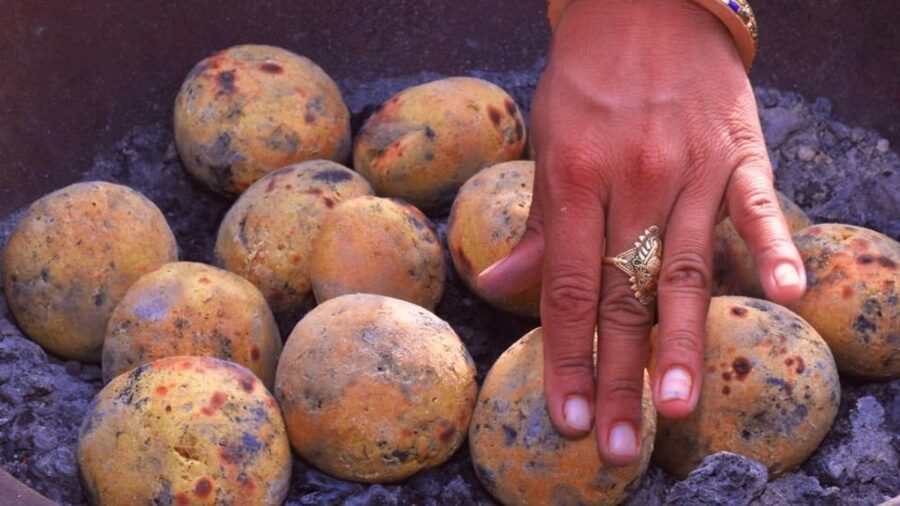
Once the cooking is underway and dishes are simmering, you get breaks that keep it friendly and human. You’ll refresh yourself with chaas, a traditional buttermilk drink made of yogurt.
That part is more than a nice drink. In hot climates and after cooking, it’s a reset for your taste buds. It also keeps the meal from feeling too heavy.
Then you eat together under a neem tree. The feast includes the items you helped prepare or learn about: Dal Bati Churma, Sarson Ka Saag, Gatte Ka Saag, and chaas.
Local artisans and musicians also add to the experience. It’s a cultural layer tied to the meal, not something tacked on at the end. The goal is to make your time feel like a shared event, not a one-off class.
What to Expect From the Setting, and How to Not Get Caught Off Guard
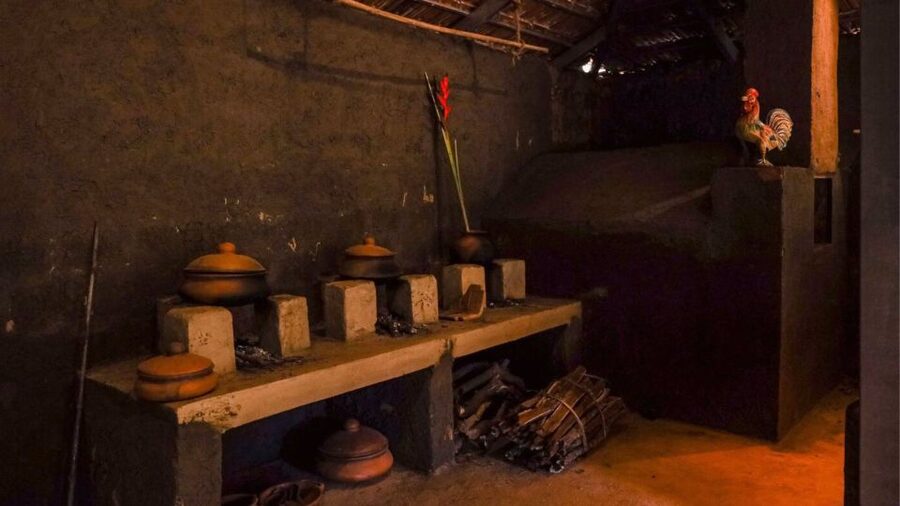
Here is the practical truth: you are doing farm-to-table in the countryside, so expect a home-style setup.
One detail to keep in mind is that the cooking space may be a home with a mudclay-style fire stove and open-air cooking. That’s part of the authenticity, and it also means you should plan for things like heat, smoke smell, and simpler surfaces.
If you’re used to studio kitchens or hotel cooking classes, adjust your expectations. The trade is comfort for closeness, and in this case, the closeness is the point.
Price and Value for a 2-Hour Rajasthani Food Experience
The price is $21 per person for a 2-hour experience, and the big included item is straightforward: food.
That matters because you are not just watching. You get a farm walk, farmer interactions, spice learning, and hands-on preparation tied to an actual meal. For many people, a cooking class alone is often close to that price range, but this one adds the farm and the food context.
Also, the meal includes multiple dishes, not a single plate. You’re eating a group feast with the classics, plus chaas, so you’ll likely feel satisfied rather than like you need dinner afterward.
Your biggest potential extra cost is transportation, because conveyance is not included. If you already have a car or driver, this becomes even better value.
Logistics: Getting There When Conveyance Is Not Included
The experience is on the outskirts of Udaipur, so getting to the village is the main planning challenge.
Your host can help arrange a vehicle if you need one, but the charges are handled separately. If you’re coming from Udaipur center, plan for travel time and confirm pick-up details in advance with your host.
The meeting point is where your host will be waiting. That means you should arrive a bit early so you can find each other without stress.
If you prefer a stress-free day, ask about transport options early. It’s the easiest way to protect your time and appetite.
Who This Farm-to-Table Experience Is Best For
This is a great fit if you care about food that has a source, not just a flavor. You’ll enjoy it most if you like practical learning, like working with ingredients and understanding spice blends.
It also suits travelers who like cultural connection. The addition of local artisans and musicians during the meal helps the experience feel local and shared.
If you want a super polished, low-participation activity, this may feel too hands-on. You’ll be walking, cooking, and interacting, so come ready to be active for two hours.
Should You Book This Farm-to-Table Session Near Udaipur?
Yes, I’d book it if your ideal day includes farm life, a short village walk, and cooking real Rajasthani dishes with guidance. The best reasons are the farmer interaction, the hands-on spice work, and the fact that your meal includes more than one signature dish.
Skip it or rethink if you hate outdoor cooking smells, do not want any participation, or you do not want to manage transportation to the outskirts of Udaipur. In that case, you might end up stressed before you even reach the kitchen fire.
If you’re flexible and hungry for authenticity, this is exactly the kind of tour that turns food into a story you can taste.
FAQ
Where is the farm-to-table experience located?
It’s in Rajasthan, India, on the outskirts of Udaipur.
How long does the experience last?
The duration is 2 hours.
What is included in the price?
Food is included.
Is conveyance included?
No. Conveyance is not included.
Will someone help me get to the venue?
If you need transportation, the experience can help arrange a vehicle, with charges handled separately.
What languages do the host or greeter speak?
The host or greeter speaks English and Hindi.
What dishes and drinks are part of the meal?
You can expect a Rajasthani meal that includes Dal Bati Churma, Sarson Ka Saag, Gatte Ka Saag, and chaas (yogurt buttermilk).
Is free cancellation available?
Yes. You can cancel up to 24 hours in advance for a full refund.
Can I reserve without paying right away?
Yes. There is a reserve now, pay later option where you can book your spot and pay nothing today.
Latest reviews in from Udaipur
- HoneymTour in Rajasthan 4Night 5Days★ 5.0 · 45 reviews
- 8 Day Rajasthan Tour: Udaipur Jodhpur Jaisalmer Bikaner & Jaipur★ 5.0 · 46 reviews
- Walking Guided tour in Udaipur★ 5.0 · 54 reviews
- Private Full-Day Udaipur City Sightseeing Tour with Optional Guide★ 5.0 · 54 reviews
- Private Full Day Udaipur Sightseeing Tour with Optional Guide★ 5.0 · 56 reviews
- Full-Day Udaipur Sightseeing Private Tour with optional Guide★ 5.0 · 57 reviews
- Udaipur sightseeing by tuk tuk or car★ 5.0 · 57 reviews
- 6 Night 7 Days Udaipur Jodhpur and Jaisalmer Tour★ 5.0 · 69 reviews
Udaipur Tours, compared.

Full-Day Private Udaipur Sightseeing Tour with optional Guide
Read our review →
Private Udaipur Sightseeing Tour with Guide
Read our review →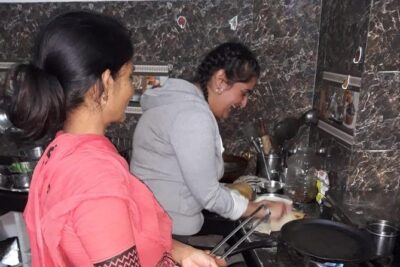
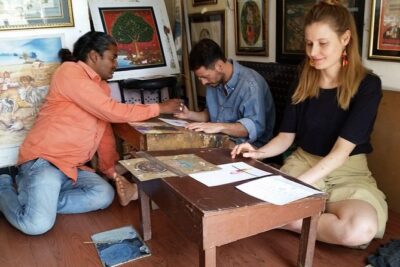
Traditional miniature painting class at Pacific Art
Read our review →
Full Day Udaipur Sightseeing Tour with optional Guide
Read our review →
Full Day Private City Tour with Optional Boat Ride
Read our review →
Kumbhalgarh & Ranakpur Day Trip from Udaipur with Guide and Lunch
Read our review →
Browse the lists this tour appears in