
Reviewed · GOA TOURS
Bake Bread With 80 Years Old Baker In Majorda
This is the kind of Goa moment I like best: you get your hands busy in a real bakery, learn the rhythm of traditional dough work, and then eat warm bread you made moments ago. Add the fact that it is guided by people who bring the local culture to life, including sessions led by guides like Fenosha and Medore, and you’ve got an experience that feels personal, not packaged.
Two things I love. First, you learn why pao/poi is such a core part of Goan food culture, including the idea of poder and how Portuguese-influenced baking style shaped what Goa makes today. Second, the session ends with a fun twist: you can turn your poi into a Panino by adding an Italian-style spin. One heads-up: it is not a walking trail, and the bakery setup can be tight, so if the group is at the max, you might spend some time waiting in the heat.
It runs about 3 hours 30 minutes, starting at 2:00 pm, with snacks included and a small group (up to 10 people). If you like hands-on food experiences that are actually local, this is a solid pick for Majorda.
Key highlights you should know
- Hands-on pao/poi work in a traditional mud bakery, with you shaping dough for the oven
- An 80-year-old baker at the center of it, sharing the craft through real routines, not a demo
- You get a Panino twist, turning poi into something more familiar if you crave that comfort-food vibe
- Two-stop outing including the local Majorda Railway Station, and you should plan for driving
- Snacks plus Soul Travelling goodies, which helps make the price feel more like a day out than a ticket
Majorda Bread Baking at 2:00 pm: What You Actually Do

This experience is built around one main goal: making pao or poi and watching it bake in a traditional way. You start with a working bakery feel, then you move into the hands-on stage where you handle dough, shape it, and get it ready for the oven. There is also a snack portion included, so you do not leave hungry while the bread is working its magic.
The story behind the bread matters here. You’ll learn how poie/pao became part of Goa’s culinary identity, including the Portuguese influence on bread-making, and how that ties into what Goans treat as everyday nourishment, not just special food. The concept of poder shows up in the way the guide explains why traditional baking methods and ovens matter, because the heat source and process affect texture and flavor.
What you should expect is a sensory session. You’ll smell wood-fired heat, see the baking in motion, and get to eat fresh bread soon after it comes out. It’s the kind of experience where the food is not an afterthought, it’s the reason you are there.
Line these Goa options up side by side
- Fontainhas Heritage Walk by Make It Happen
★ 5.0 · 2,834 reviews - BLive Electric Bike Tours – Discovery of Divar Island
★ 5.0 · 1,147 reviews - Old Goa Heritage Walk by Make It Happen
★ 5.0 · 797 reviews
Meeting at Da Tita by Magic Italy and Handling the Two-Stop Plan
You meet at Da Tita by Magic Italy, Authentic Italian Restaurant & Pizzeria in Calata, Girim, Goa, and the activity ends back at that same meeting point. Start time is 2:00 pm.
Here’s the practical part. This is not a walking trail. The experience specifically asks you to have your own vehicle because you visit two places. So if you are using a hired car or scooter, build in a bit of buffer for parking and short transfers. If you’re relying on taxis, you’ll want enough time to coordinate rides so you’re not stressed.
Also, it’s a small-group format, with the experience capped at a maximum of 10 travelers. That cap matters for two reasons. One, you’ll have more space to work when you are handling dough. Two, you’re less likely to feel like you are just waiting in a crowd while someone else does the cooking. That said, bakery space can still be limited, so plan to be patient, especially in warmer afternoons.
Inside the Traditional Mud Bakery: Pao/Poie Basics and the Poder Idea
The bakery setting is part of the authenticity. You’re not in a glossy kitchen with timers and appliances. You’re in a traditional mud bakery environment where the process is driven by heat, routine, and skill. You’ll see and learn the bread-making approach that locals have used for generations.
You’ll also hear the reasoning behind it, including the importance of poder. Even without getting overly technical, the lesson is clear: in traditional bread baking, the method and the oven style are not optional. They shape what the bread becomes. If you like food craftsmanship, this is where the experience clicks, because you start thinking about bread as an interaction between dough, heat, and timing.
And yes, Portuguese influence shows up in the bread story. The idea is that pao making came to Goa through Portuguese cultural contact, then got absorbed into local cooking until it became part of the core bread scene in Goa. It’s a simple timeline, but it helps explain why the flavors and techniques feel both familiar and uniquely Goan.
The Hands-On Part: Shaping Dough, Watching the Bake, Then Making a Panino Twist
Hands-on is the whole point. You won’t just watch from the sidelines. You’ll get involved in poi making, which in practical terms means handling dough and preparing it so it can bake properly. The guide also helps you understand what you are doing, so the work feels connected to the result, not random.
Then comes the best moment: seeing the bread bake. You watch the baking process so you can connect the earlier dough prep to the final texture. When the bread comes out, the smell hits first, then the steam, then the chance to break it open. That’s when you typically understand why fresh bread tastes different, because you’re catching it right as it cools and sets.
The finish is playful and very food-travel friendly. You will make your own Panino from your poi by adding a fun Italian twist. The important detail is that this isn’t presented as a trendy gimmick. It’s a way to bridge cultures, showing how Goa bread can meet Italian-style comfort food in a single plate.
If you have a travel style that includes trying local food but also wanting a satisfying takeaway, this is where the experience delivers. You leave with bread flavor in your memory and a small story you can tell later about how it was made.
A different shape of Goa day:
- Varca Coastal E-Bike Tour: Scenic Beachside Adventure
★ 5.0 · 668 reviews - Fontainhas Heritage Walk At Latin Quarters of Goa
★ 5.0 · 531 reviews - Feni and Tapas – Food Trail with Tastings & Drinks by Make It Happen
★ 5.0 · 409 reviews - Village Vibes: Cansaulim Coastal E-Bike & Japanese Tea Tour
★ 5.0 · 292 reviews
The Majorda Railway Station Stop That Adds Local Texture
You also visit the local Majorda Railway Station. That might sound like an odd add-on if you only think of tours as museum stops and big viewpoints. But for food experiences, station visits often do something useful: they place you in everyday geography.
This stop helps ground what you’re learning about bread in the wider rhythm of the area. It’s not a long detour, and you’re not asked to do a lot there. Instead, it adds a bit of local texture to the day, so you feel like you’re moving through real Majorda life rather than going straight from hotel to bakery and back.
Because the outing is organized as a two-stop plan and not a walking route, the station visit fits into the driving schedule without turning your afternoon into a marathon.
Price and Value: Is $22.35 Worth It?
At $22.35 per person, this is priced like an accessible local experience. And honestly, that’s the right target price for what you get: hands-on baking time, snacks included, and a guided experience led by people who know the bread story.
Value here comes from three practical things:
- You make the bread, which is more memorable than watching a finished product
- You eat fresh bread hot out of the oven, plus there are snacks included
- Small group size helps keep the experience interactive, and it’s capped at 10
Also, the experience includes Soul Travelling goodies and a first aid / medical kit, plus all fees and taxes. Bottled water is not included, so if you’re going to be outdoors near ovens and heat, bring your own water or plan to buy it separately once you’re there.
In short, this is not a luxury food tour. It is good, practical value for people who want authentic Goa bread culture.
Who This Bread Session Suits Best, and Who Might Want Something Different
This experience is ideal if you like:
- Food you can touch and taste immediately
- Learning how local traditions work, like how Portuguese-influenced pao became Goan bread culture
- Cultural moments with locals and real process, not just photo ops
It’s also a nice choice if you want a change from Goa’s beach rhythm. A 2:00 pm start keeps you away from the very hottest early day sun, though you may still feel warmth during time at the bakery.
You might consider a different kind of tour if you hate waiting or if you get uncomfortable in heat. One practical review detail showed that when the bakery space is filled, there can be more waiting time than you’d expect, especially if people are trying to work in the same small area. So bring patience, and plan to stay flexible if the oven schedule affects timing.
If you’re traveling with family, this format tends to work because everyone can participate in the shaping stage, and everyone gets to eat what they help make.
A Quick Practical Checklist Before You Go
Here’s what I’d do so your afternoon stays smooth:
- Bring your own vehicle or plan for one, since the experience is not walking-based
- Wear comfortable clothes you do not mind getting a little dough dust on
- Plan for a warm environment around baking, so bring water since bottled water is not included
- Expect to eat fresh bread soon after baking, so keep your appetite open
This is the kind of activity where you’ll remember the smell and texture as much as the lesson.
Should You Book This Majorda Bread-Baking Session?
Book it if you want an authentic, hands-on Goa food experience that actually feeds you, teaches you, and gives you a fun local-to-Italian finish with the Panino twist. For the price, the combination of fresh bread, snacks, guided help, and a small group makes it a strong value.
If you’re the type who only wants big-name attractions, this will feel too local. If you want a relaxed, real-world food moment, though, this is an easy yes.
FAQ
How long is the bread-making experience in Majorda?
It runs for about 3 hours 30 minutes (approx.).
Where does the experience start and end?
It starts at Da Tita by Magic Italy, Authentic Italian Restaurant & Pizzeria, Calata, Girim, Goa, and it ends back at the same meeting point.
What time does it start?
The start time is 2:00 pm.
How big is the group?
The experience is capped at a maximum of 10 travelers.
Do I need my own vehicle?
Yes. This is not a walking trail, and guests are requested to have their own vehicle because the experience visits two places.
What is included in the price?
Included are snacks, a guided tour, Soul Travelling goodies, a first aid or medical kit, and all fees and taxes.
Is bottled water included?
No, bottled water is not included.
Is there free cancellation?
Yes, you can cancel for a full refund if you cancel up to 24 hours in advance of the experience start time.
Are camera fees included?
Any charges for video cameras, still cameras, and similar items are not listed as included.
Latest reviews in from Goa
- North Goa Sightseeing Full Day Tour ( 09 am – 05 pm )★ 3.5 · 44 reviews
- Old Goa Heritage & Culture E-Bike Tour★ 4.5 · 46 reviews
- Latin Quarter Food Trail by Make It Happen★ 5.0 · 47 reviews
- CULTURAL & HISTORIC DAY TOUR ATTRACTIONS – Churches, Temples & Spice Plantation★ 4.5 · 53 reviews
- Glimpses Of Goa: Churches,Temple and Spice Plantation★ 5.0 · 65 reviews
- Saligao Village Saunter by Make It Happen★ 5.0 · 74 reviews
- Private Beach Photoshoot in North Goa by Professional Photographer★ 4.5 · 78 reviews
- Chandor Heritage Trail by Make It Happen★ 5.0 · 79 reviews
Goa Tours, compared.

BLive Electric Bike Tours – Discovery of Divar Island
Read our review →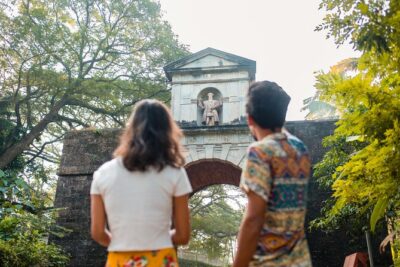
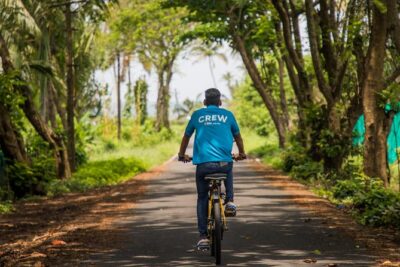
Varca Coastal E-Bike Tour: Scenic Beachside Adventure
Read our review →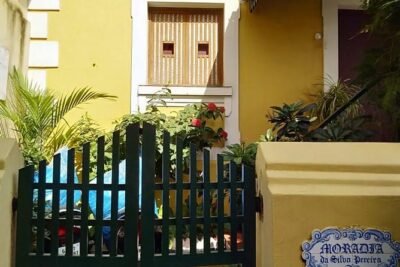
Fontainhas Heritage Walk At Latin Quarters of Goa
Read our review →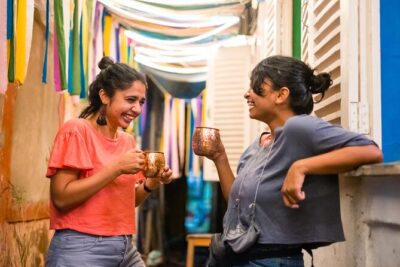
Feni and Tapas – Food Trail with Tastings & Drinks by Make It Happen
Read our review →
Village Vibes: Cansaulim Coastal E-Bike & Japanese Tea Tour
Read our review →
Browse the lists this tour appears in