
Reviewed · MARKETS
Mumbai Market Tour
What makes the Mumbai Market Tour interesting is that it uses the everyday city as your guide, not just big monuments. You walk wide streets and squeeze into narrow alleyways while colonial buildings, temples, and mosques sit side by side, and vendors call out everything from spicy snacks to colorful flowers.
I especially like the mix of shopping you can actually use at home, plus the guide help that makes the markets easier to navigate. Crawford Market in particular has that grab-and-go energy, from scented candles and exotic fruits to cake mold party supplies, and it helps you learn what to look for. One possible drawback to plan for: this tour can feel shop-heavy, so if you want long cultural talks at the religious stops, you may want to set expectations upfront.
Key highlights you will feel right away
- Crawford Market for everyday buys, including scented candles, exotic fruits, and spice browsing
- Mangaldas Market as a strong stop for cloth, fabrics, and textiles
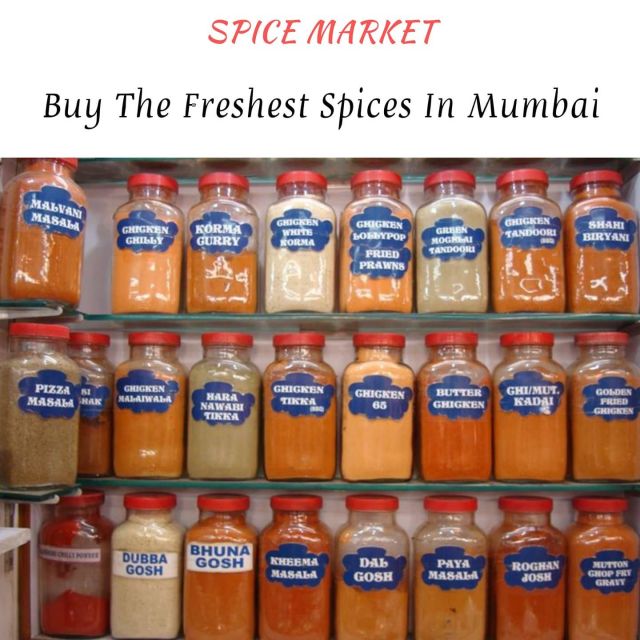
- Spice Market options with common standbys like cumin, coriander, turmeric, and cardamom
- Jewelry Market focused on gold, silver, diamonds, and precious and semi-precious stones
- Flower Market as the biggest flower market in Mumbai, with marigolds, roses, lilies, and orchids
- Religious landmarks along the route, including Jama Masjid, Mumba Devi Temple, and Madhav Baugh
Why Southern Mumbai Markets Feel Like the Real City
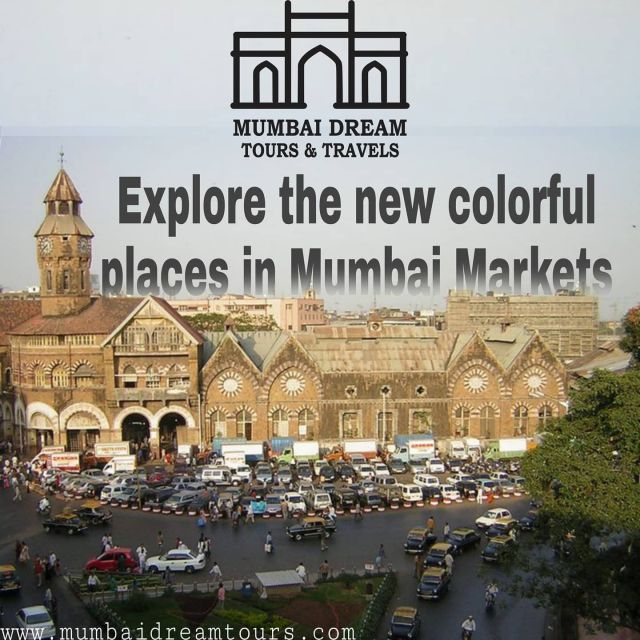
The best part of this kind of tour is simple: you see Mumbai where people work and buy, not only where people pose for photos. In southern Mumbai, the streets can feel wide one moment and tight the next, and that shift is part of the experience. Vendors shout from carts and stalls, and the route naturally puts you in the middle of daily life.
This tour leans into markets as the heart of the city. That is more than a tagline. Markets shape what you smell, what you taste, and what you notice. If you pay attention, you start picking up patterns: how people compare prices, how they choose spices, and how they pick cloth or flowers for a specific purpose.
The colonial buildings and religious sites add another layer. Even when you are focused on shopping, you are still walking through neighborhoods where history is visible in the street itself. If you like your sightseeing to come with real noise, real trades, and real voices, this works well.
More Shopping Tours in Mumbai
- Mumbai Street Food and Evening Bazaar Tour
★ 5.0 · 172 reviews - Mumbai Street Food & Bazaar Tour with Local Transport
★ 5.0 · 51 reviews - Mumbai by Dawn: Market Tour of Flowers, Fish, and More
★ 4.9 · 48 reviews
Crawford Market: Scented Candles, Exotic Fruits, and Spice Browsing
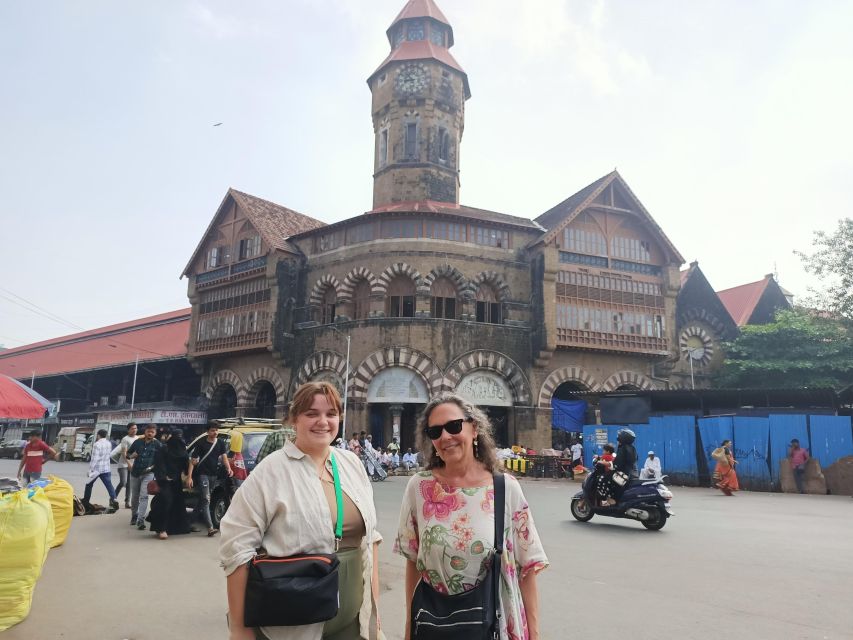
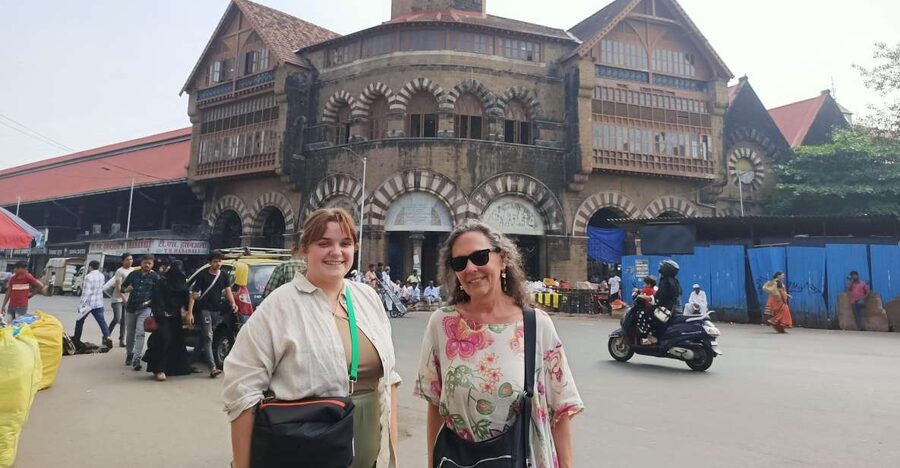
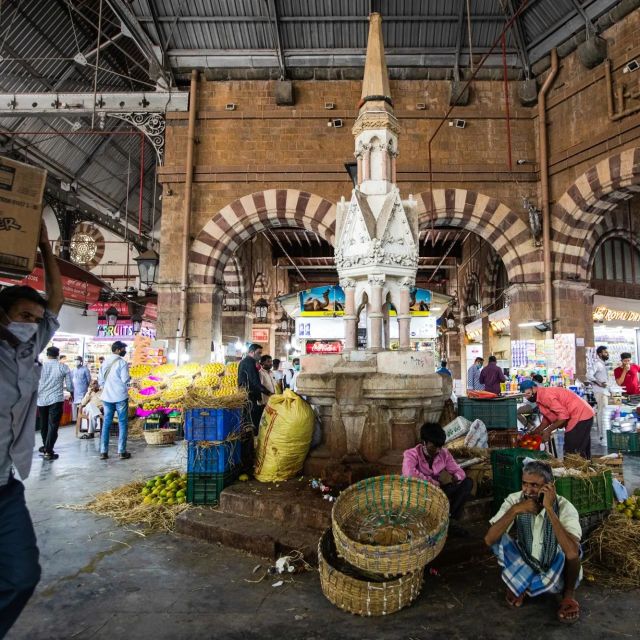
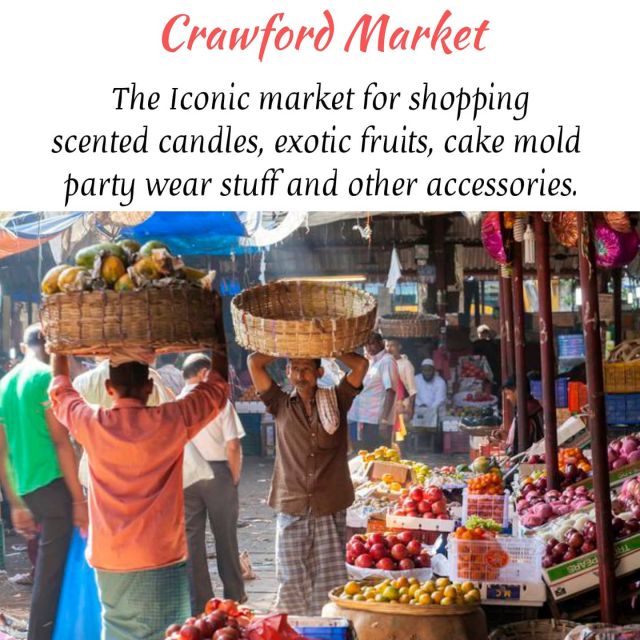
Crawford Market is one of the most famous stops on the route, and it earns the hype. It is described as iconic for shopping items that go beyond the usual souvenir list. You can look for scented candles, exotic fruits, cake molds, party wear type items, and assorted accessories, plus the market’s produce and spice energy.
For practical shopping, this is a good place to start because the variety is wide and the layout gives you an easy rhythm. You can browse casually, then narrow in on what you actually want to carry home. Candles and fruit related items can be easy wins, while spice-related shopping helps you understand what kinds of blends people buy and how they package things.
Here is how to make Crawford Market work for you: decide on a small mission before you wander. Maybe you are only buying one spice blend. Maybe you want candles that match specific scents. When you do that, the market stops feeling like chaos and starts feeling like choice.
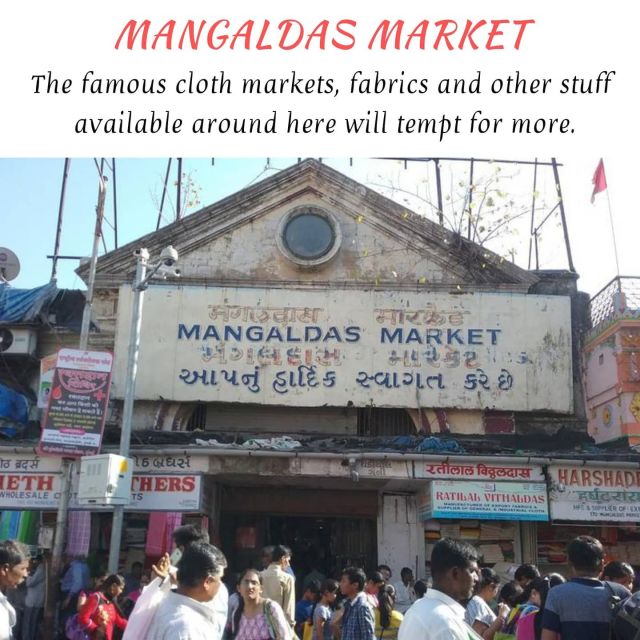
Mangaldas Market: Cloth You Can See, Touch, and Compare
Mangaldas Market is where the tour turns more tactile. It is listed as a famous cloth market, with fabrics and other textile items that can tempt you fast. This is the stop for people who like to shop with their eyes and hands, comparing colors, weight, and finish.
It also is a stop where having a patient guide matters. One of the strongest themes from feedback is patience in the textile market, plus help that keeps you from getting lost in the back-and-forth. If you want to bargain, you need someone who can guide the rhythm so the whole thing feels less like pressure and more like conversation.
Even if you do not plan to buy much fabric, you still get value by watching how cloth is presented and priced. You learn what questions to ask. You also learn the difference between something that looks good in the shop and something that makes sense for your climate and your wardrobe at home.
Spice Market: How to Think in Cumin, Coriander, Turmeric, and Cardamom
The Spice Market is tied to the broader market vibe, and the tour specifically calls out spices like cumin, coriander, turmeric, and cardamom. That matters because it tells you what to expect to buy, and it helps you focus if you feel overwhelmed by options.
Spices can be tricky on tours. Vendors may offer blends, but you need to decide whether you want whole spices you can grind yourself, or pre-mixed blends that you use straight away. If you cook at home, I like picking one or two core spices first, then adding a blend only if it tastes right to you.
Also, keep an eye out for the practical stuff: how spices are packed and how fresh the stall looks. You do not need a chemistry degree. If the color looks dull or the containers look messy, walk away and check the next stall.
And yes, you can often find spicy snacks around the market streets, so this stop can satisfy both shopping and eating. If you have a sensitive stomach, start small.
A different shape of Mumbai day:
- Dharavi slum tour in Mumbai by Female tour guides of the slum
★ 5.0 · 1,976 reviews - Mumbai: Full-Day Sightseeing Tour of Mumbai
★ 4.9 · 1,822 reviews - Private Mumbai Sightseeing Tour (Traveller’s Choice Award Winner)
★ 5.0 · 1,565 reviews - Elephanta Caves & Island Guided Private Tour
★ 5.0 · 1,327 reviews
Jewelry and Flowers: Small Purchases That Make Big Memories
Two of the most distinctive stops are the Jewelry Market and the Flower Market. They are very different, but both are excellent for souvenirs because you can spot quality quickly when someone shows you what to look for.
The Jewelry Market is described as a hub and one of the oldest and busiest in Mumbai. You can find gold, silver, diamond jewelry, and precious and semi-precious stones. If you are a serious shopper, this stop can feel like information overload in a good way. But if you are not, it still works as a “slow down and look” moment where you learn how jewelers present their best pieces and how negotiation usually plays out.
Then you switch to the Flower Market, described as the largest flower market in Mumbai. It is famous for colorful blooms, including marigolds, roses, lilies, and orchids. This is the stop that turns the market tour into a sensory one. Even if you do not buy flowers, just walking through the colors changes the whole day.
A practical note: flowers and delicate items can be hard to transport. If you want to buy, ask how vendors suggest carrying them and think about your final travel plan that day.
Religious Landmarks Along the Route: Jama Masjid, Mumba Devi Temple, and Madhav Baugh
One reason people choose this tour is that it mixes market shopping with religious landmarks. The included stops list Jama Masjid, Mumba Devi Temple, and Madhav Baugh, and the tour description also frames the route as moving past temples and mosques alongside colonial buildings.
What you should expect here is a change in pace. Markets are loud and fast. Religious spaces tend to make you slow down even if you are still surrounded by people. You will likely be doing quick looks, photo considerations, and respectful observing rather than a long, textbook-style explanation.
This is also where you should check your expectations. If what you want is deep cultural context at each landmark, you may find the route more focused on the streets and vendors than on extended site storytelling. That said, even short stops can be meaningful because the contrast is the point. You are seeing how worship and commerce live side by side in real neighborhoods.
Guide Style Matters: Bargaining Help and a Pace That Works
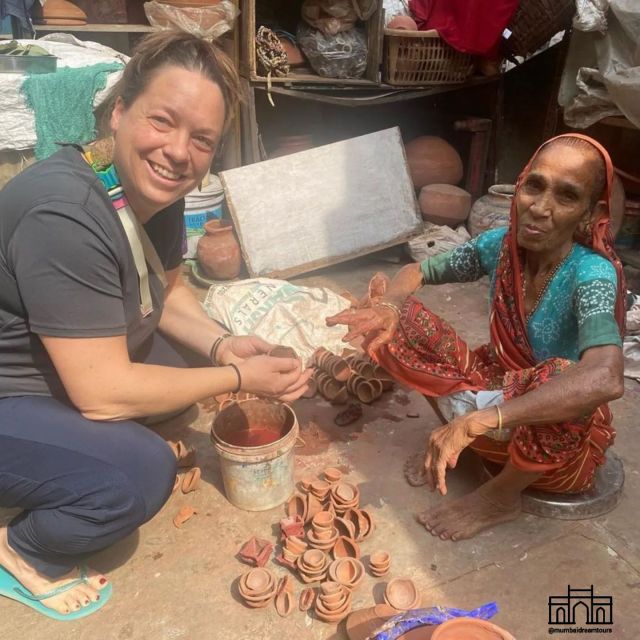
A market tour can succeed or fail based on the guide. In this experience, the guide quality is a consistent theme. Guides such as Kieran and Dinesh are described as informative and pleasant, with a focus on making the markets understandable. One person even highlighted how the guide taught bargaining, which is a huge practical win.
What does that mean for you? It means you are less likely to feel like you are standing on the outside of the transaction. You learn when to ask questions, how to keep things friendly, and how to slow down long enough to compare options.
Pace also comes up as a real factor. Some people described the tour as relaxing, which is what you want in markets where the natural temptation is to rush from stall to stall until you are tired. A steady rhythm helps you enjoy the sights and still have enough energy to shop wisely.
If you are the type who likes to ask questions while you walk, this tour style tends to reward you.
Is This Tour More Shopping Than Culture? A Fair Check Before You Go
Let me be straight with you: this tour can be more shopping focused than some people expect. One detailed negative take pointed out that early stops felt like retail shop visits, with pashmines on the first stop, spices on the second, and women’s clothing on the third. The same comment said the cultural visits to temples felt limited, and prices were seen as too high.
I do not think that invalidates the tour. It just means you should match your goals to the format. If you want to buy things, this tour fits naturally. If you want a heavy dose of temple storytelling and cultural lectures, you may feel shorted.
My advice: treat this as a guided way to shop and taste in southern Mumbai markets, with religious landmarks as context along the way. Read that correctly and you will enjoy it more.
And if you do shop, remember the market skill you want is not only bargaining. It is choosing. Decide what you will buy before you fall in love with ten options.
Price and Value: What $23 Buys You in Real Market Time
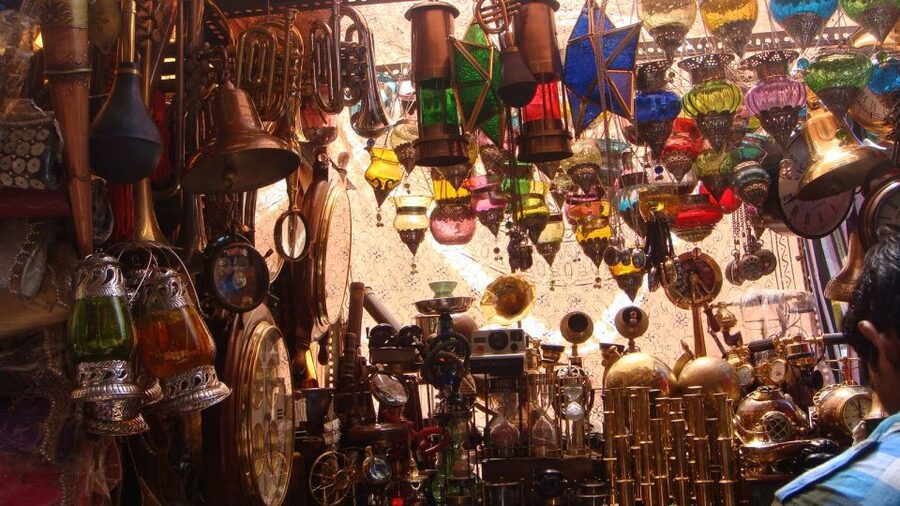
At $23 per person, this tour sits in the budget-friendly zone for a guided market day in a huge city. The value is not the price tag alone. It is the concentration of stops: Crawford Market, Mangaldas Market, the spice stop, Jewelry Market, Flower Market, and religious landmarks like Jama Masjid, Mumba Devi Temple, and Madhav Baugh.
That matters because markets take time. Without guidance, you can spend hours walking in circles or missing the best areas for your interests. With a guide who can pace you and help with bargaining, your time becomes more productive.
There is still one tradeoff at this price level. Some parts of the day may be oriented toward shopping, and the depth of cultural commentary at each religious site may vary with the group and the flow of the market. If you know that upfront, you can decide whether this is your kind of sightseeing.
This is a great value pick for people who want hands-on Mumbai: what you can buy, what you can smell, and how day-to-day life really looks.
Who Should Book This Mumbai Market Tour?
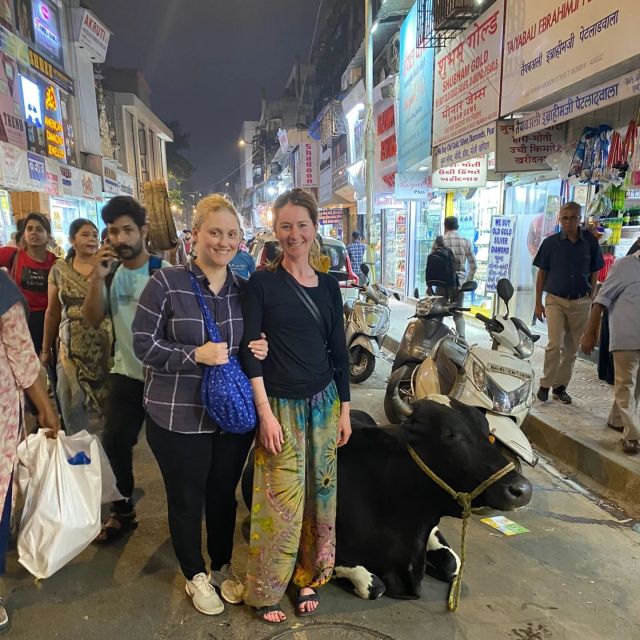
I recommend this tour if you enjoy markets and you want a guide to help you navigate the noise. It is especially good for:
- First-time visitors who want to see southern Mumbai’s market core
- Shoppers interested in textiles, spices, jewelry, or flowers
- Food lovers who like spicy snacks in market settings
- Travelers who plan to bargain but do not want to guess the process
I would be more cautious if you mainly want museum-style storytelling, long guided explanations at every landmark, or a strictly sightseeing-focused day. The format is built for trade, shopping, and street-level observation.
If you like your travel with a little chaos and a lot of human energy, you will likely have a great time.
Should You Book the Mumbai Market Tour with Mumbai Dream Tours?
If you are excited by markets, this is an easy yes. The stop list alone gives you a powerful cross-section of Mumbai shopping life, from cloth at Mangaldas to spices connected with Crawford Market to the flower chaos at the Flower Market. Add in the guide help, including bargaining support and patient textile-market time, and the value becomes clear at $23.
If your priority is cultural depth at Jama Masjid, Mumba Devi Temple, and Madhav Baugh, consider booking only if you are comfortable with shorter landmark moments and a street-first itinerary. In other words, book it for the markets, not for a lecture tour.
If you want, tell me your travel dates and what you plan to buy, spices, fabric, jewelry, or flowers. I can suggest a shopping game plan so you get more out of every stop.
FAQ
What is the Mumbai Market Tour?
It is a guided tour focused on historic markets in south Mumbai, with stops that include places like Crawford Market, Mangaldas Market, and other market areas, plus religious landmarks such as Jama Masjid and Mumba Devi Temple.
Where does the tour take place?
The tour is in Mumbai, Maharashtra, India, and it concentrates on historic markets in south Mumbai.
How much does it cost?
The price is listed at $23 per person.
What languages is the tour offered in?
The tour is offered in English.
What markets are included?
The listed market stops include Crawford Market, Mangaldas Market, the Spice Market, the Jewelry Market, and the Flower Market.
Which religious landmarks are part of the tour?
The tour includes Jama Masjid, Mumba Devi Temple, and Madhav Baugh.
What kinds of items can I expect to find?
Crawford Market is described for scented candles, exotic fruits, cake mold party wear items, and accessories. The Spice Market is described with fresh produce spices like cumin, coriander, turmeric, and cardamom. The Jewelry Market is described for gold, silver, diamond jewelry, and precious and semi-precious stones. The Flower Market is described for marigolds, roses, lilies, and orchids.
Is there time to bargain?
The tour includes market guidance where bargaining is taught, so yes, you should expect help with bargaining during market stops.
Can I book and pay later, and what is the cancellation window?
You can reserve and pay later, and you can cancel up to 24 hours in advance for a full refund.
Latest reviews in from Mumbai
- Mumbai Spice Markets and Bazaars Tour with Guide and Transport★ 5.0 · 42 reviews
- Mumbai Dharavi Slum, Dhobi Ghat & Dabbawala Lunchbox Tour★ 5.0 · 43 reviews
- Private Dharavi Slum Tour with Mumbai Sightseeing★ 5.0 · 43 reviews
- Private Guided Tour in Kanheri Cave with Transfers★ 5.0 · 44 reviews
- Private Guided Walking Tour in Dharavi Slums★ 5.0 · 44 reviews
- Mumbai Private Cultural Tour with Lunch and Transport★ 5.0 · 44 reviews
- Unveiling Bollywood: Grand Tour of Iconic Real Sets & Their Story★ 4.5 · 44 reviews
- Bollywood Tour with Original founder★ 4.5 · 44 reviews
Markets, compared.

Delhi Food Walk: Rickshaw Ride, Street Eats & Market Tour
Read our review →
Private Heritage Walking Tour in Jaisalmer Fort and Old Bazaar
Read our review →
Old Delhi Food-Spice Market-Temples Tour Soon Featured on NETFLIX
Read our review →Old Delhi Odyssey: A Tour of Religion, Spice Market, & Best Food
Read our review →
Bengaluru Pete City Market Half-Day Walking Tour
Read our review →
Experience Bangalore – City Tour, Authentic Food & market (Food/Culture/History)
Read our review →Browse the lists this tour appears in