Reviewed · DELHI TOURS
Royal Rajasthan: Whispers From The Past Curated Journey
This Royal Rajasthan route works because it stitches together the biggest “eras” of North India in a tight, practical order: Mughal power, Rajput court life, and modern faith sites, all within Delhi, Agra, Jaipur and Udaipur. I like how the trip begins with a name-board airport pickup, then keeps moving so you spend less time figuring things out and more time seeing.
I also like the balance of types of sights, not just forts and palaces. You get Mughal architecture like Humayun’s Tomb and the Taj Mahal, plus major religious landmarks like Jama Masjid and Gurudwara Bangla Sahib. One possible drawback: it is sight-heavy. Days are packed with multiple ticketed stops, so plan for early mornings and comfortable shoes.
Key things that stand out on this Royal Rajasthan journey
- Airport pickup and transfers are handled, so you start with less hassle after a flight.
- Monument admissions are included for many of the main stops across Delhi, Agra, Jaipur, and Udaipur.
- Taj Mahal timing options include sunrise, sunset, or both, so you can aim for better light.
- Amer Fort and Jaipur’s fort and temple ring give you layered views over Maota Lake and the city.
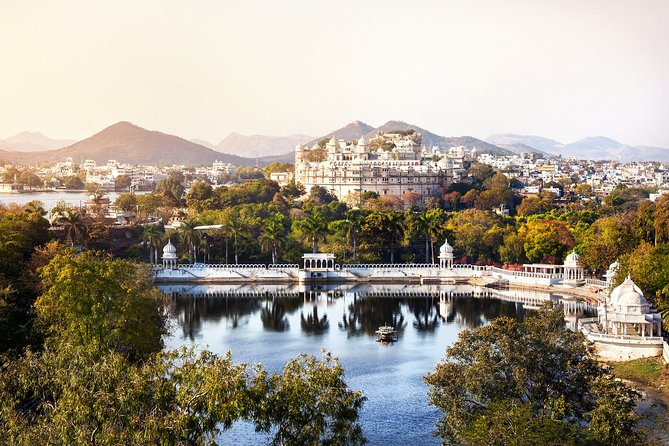
- Udaipur by water includes a Lake Pichola boat ride, plus key palace and temple stops.
- A strong driving team shows up repeatedly, with drivers like Bhanwar Singh and Modaram often highlighted for care and explanations.
A clear route through Delhi, Agra, Jaipur, and Udaipur

If you like your sightseeing with structure, this works. It is a 10-day, private format that focuses on the most recognizable landmarks, but it does not feel like random ticking off. Each city has a “theme,” and the order matters.
Delhi frames the story with Mughal grandeur and major faith sites. Agra doubles down on Mughal monuments. Jaipur shifts into Rajput royal design, astronomy, and temple life. Udaipur slows the pace with water views, palace rooms, and lakeside gardens.
Your price, $1,068 per person, is not just about transport. Many entries are listed as admission ticket included, which can add up quickly for the big names in this region. If you were planning this yourself, you would spend a lot of time and energy booking guides, timing tickets, and building city-to-city logic. Here, that work is done for you.
Also, the tour is private for your group, so you are not competing with strangers for attention at guides, meeting points, or timing. You do still need to keep up, though, since the itinerary is full.
Line these New Delhi options up side by side
- Old & New Delhi City Tour – Half or Full Day Options Available
★ 5.0 · 4,811 reviews - Half Day Private Delhi City Tour
★ 5.0 · 4,474 reviews - Same Day Taj Mahal, Agra Fort & Baby Taj Tour from Delhi by Car
★ 5.0 · 4,304 reviews
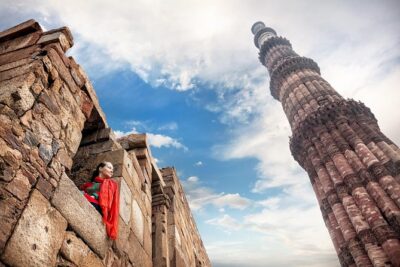
Day 1 in Delhi: Qutub Minar, then you settle in
You land at Indira Gandhi Intl Airport, and you are picked up using a signed board with your name. That small detail matters in Delhi, where arrival logistics can otherwise feel like a mini expedition.
Then you are taken to your hotel to recover. If you arrive early, you have the option to explore Delhi based on your preferences. You get Qutub Minar as a solid first monument, with an admission ticket included and about 2 hours scheduled.
Why Qutub Minar is a smart opener: it gives you a “setting” for later Mughal sights. It is a visual reminder that this region has layers long before the Taj Mahal era.
Practical tip: treat Day 1 as reset day. Keep your daypack light, and save your energy for Taj Mahal timing later.
Day 2 in Delhi: a Mughal-and-faith day that covers real Delhi
Day 2 is a long, high-impact day. You go from major Mughal tomb and fort landmarks into large contemporary spiritual campuses, then into places tied to Sikh worship and Gandhi’s legacy, and finally into one of India’s largest mosques.
Here is how the stops fit together.
Humayun’s Tomb
Humayun’s Tomb is the tomb of the Mughal emperor Humayun, commissioned by his first wife Empress Bega Begum in 1569-70. It is designed by Persian architects chosen for the project. You get about 2 hours, and the admission ticket is included.
I like this stop because it is a “translation point.” You see Mughal design priorities early, before you reach the Taj Mahal. You also get a chance to understand the style instead of only appreciating it as a photo subject.
A different shape of New Delhi day:
- Taj Mahal Day Tour from Delhi by Superfast Train – TOP RATED TOUR
★ 5.0 · 4,166 reviews - Full Day Taj Mahal, Agra Fort & Baby Taj Tour from Delhi by Car
★ 5.0 · 3,647 reviews - From Delhi: Taj Mahal & Agra Private Day Trip with Transfers
★ 4.9 · 3,181 reviews - Taj Mahal Tour from Delhi by Express Train (Viator Award Winner)
★ 5.0 · 2,849 reviews
Red Fort
Next is the Red Fort, the historic Mughal residence of emperors. You have about 1 hour with admission ticket included.
Even in a short visit, you can get the scale. The trick is to pick a few angles and let your eyes take the time. Do not try to rush every doorway.
Swaminarayan Akshardham
Then the route shifts to Swaminarayan Akshardham. The description calls it a Hindu house of worship and spiritual campus dedicated to devotion, learning, and harmony. You get about 2 hours and included admission.
This is not “same as Mughal” architecture, and that is the point. Delhi is multiple histories stacked together, and Akshardham shows a modern, polished side of faith and cultural space.
India Gate
India Gate is next, about 1 hour, and free. It is a war memorial along Rajpath, honoring about 70,000 soldiers of the British Indian Army who died between 1914 and 1921 in World War I.
You can treat this as your mental breather stop, then gear up again for active worship spaces.
Gurudwara Bangla Sahib
Gurudwara Bangla Sahib is one of Delhi’s most prominent Sikh gurdwaras and is known for association with Guru Har Krishan, plus a holy water tank inside the complex called Sarovar. You have about 2 hours, admission ticket included.
I like this stop because it feels different from the monument sights. It gives you a quieter, lived-in atmosphere, and you can watch how faith operates in an open public setting.
Gandhi Memorial Hall
Next is Gandhi Memorial Hall, about 1 hour, admission ticket included. This is a straightforward way to connect the architecture day with modern Indian history.
Jama Masjid
You finish Delhi at Jama Masjid, also called Masjid-i Jehan Numa, one of the largest mosques in Delhi. About 1 hour, admission included.
This closing stop helps you understand Delhi’s religious geography. The day feels intense, but the variety is what makes it memorable.
Day 3 in Agra’s shadow: Taj Mahal with sunrise or sunset options
Day 3 is all about the Taj Mahal. The itinerary states it could be visited during sunrise, sunset, or both, with 3 hours and admission ticket included.
This matters because the Taj can change mood across the day. Early light tends to look cleaner and more delicate. Sunset can bring warm color and softer contrast. If you get both, you will see it like two different monuments, but only do that if your legs and sleep schedule are willing.
Practical tip: bring water and plan to move slow once you are on site. The best photos often require waiting your turn, and the best experience requires spacing out your time inside the complex.
Day 4 in Agra: Agra Fort plus the so-called draft Taj
Day 4 keeps you in Mughal mode with two major stops.
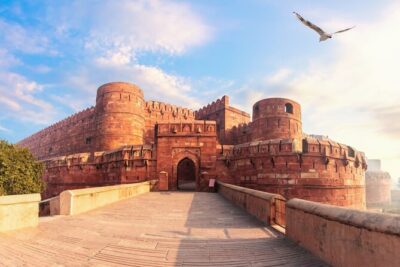
Agra Fort
Agra Fort is scheduled for about 2 hours with admission ticket included. It was the main residence of the Mughal dynasty until 1638, when capital moved from Agra to Delhi.
This is where the Taj story feels more complete. It shows you the political center behind the monument that everyone comes for.
Tomb of Itimad-ud-Daulah
Then you visit Tomb of Itimad-ud-Daulah, about 2 hours with admission included. It is often described as a jewel box, and sometimes nicknamed Bachcha Taj. It is often seen as a draft version that leads into Taj Mahal design.
If you want value from your Taj visit, this is a great pairing. It lets you notice how details progress, and it usually feels less crowded than the main blockbuster.
Day 5 in Jaipur: City Palace, Amer Fort, and Hawa Mahal
Jaipur Day 5 shifts the tone to Rajput royal life. You get three headline stops that connect palace power, defensive architecture, and street-level beauty.
City Palace of Jaipur
City Palace takes about 2 hours with admission included. It was the location for religious and cultural events and also a patron of arts and commerce. Today it houses the Maharaja Sawai Man Singh II Museum and continues as home of the Jaipur royal family.
This stop is more than rooms and paintings. It gives you context for how the palace functioned day-to-day, not just how it looked.
Amber Palace (Amer Fort)
Amber Palace (Amer Fort) is about 3 hours with admission included. You get ramparts, gates, cobbled paths, and views over Maota Lake. The listing also highlights that Maota Lake was the water source for the Amer Palace.
This is one of those “how did they build this” places. Even if you do not memorize every detail, the overall layout teaches you how fort life worked.
Hawa Mahal
Hawa Mahal, Palace of Wind, is scheduled for about 2 hours with admission included. Built with red and pink sandstone, it is Jaipur at its most iconic.
I like this stop for two reasons. First, it connects you to the city’s facade culture. Second, it gives you a different viewpoint from the forts. After walls and ramparts, you get something made for looking outward.
Day 6 in Jaipur: astronomy, forts, museums, and morning worship
Day 6 is where Jaipur really earns its reputation as a city of layered interests. You have seven stops across the day, including temples and forts, plus an astronomy site.
If you want a low-key day, this is not it. If you want variety, this is ideal.
Jantar Mantar
Jantar Mantar is about 2 hours with admission included and is a UNESCO World Heritage site. It is a collection of nineteen astronomical instruments built by Rajput king Sawai Jai Singh II.
The highlight called out here is the world’s largest stone sundial. That is a big claim, but the real takeaway is the blend of science and stone.
Jaigarh Fort
Next is Jaigarh Fort for about 3 hours. It is on the Cheel ka Teela promontory and overlooks Amer Fort and Maota Lake.
This is a good move if you like views. The fort position can help you understand the defensive ring logic around Jaipur.
Albert Hall Museum
Albert Hall Museum is about 2 hours with admission included. It is described as the oldest museum of Rajasthan and functions as the state museum of Rajasthan.
If you have museum energy, this gives you grounding between “wow” stops.
Birla Mandir Temple
Birla Mandir is about 3 hours with admission included. It is a Hindu temple made of white marble, built in 1988, dedicated to Lakshmi and Vishnu (Narayan), with images inside and selections from the Gita and Upanishads.
This temple also notes festivals like Diwali and Janamashtami. Even if you visit on a normal day, it helps explain why people come here for religious rhythm.
Govind Devji Temple
Govind Devji Temple is listed with morning worship for about 1 hour, admission included.
This is a change of pace. Instead of museum history, you get a live religious moment. If you are respectful with photography and dress, it can be a meaningful stop.
Nahargarh Fort
Nahargarh Fort is about 2 hours with admission included. It sits on the edge of the Aravalli Hills overlooking Jaipur. The itinerary notes it formed a strong defense ring along with Amer Fort and Jaigarh Fort.
You get more of that defensive planning story. Also, forts in this area are usually good for light and city views.
Royal Gaitor Tumbas
The final Jaipur stop is Royal Gaitor Tumbas for about 2 hours with admission included. It is described as a palatial tomb complex in a valley at the foot of a mountain, with a white marble exterior.
This often feels like a quieter ending compared with the loudest streets. It is a good way to let the day settle in your mind.
Day 7 and 8 in Udaipur: lake time, gardens, palaces, and Jagdish Temple
Udaipur is the “slow down” city of this itinerary. You trade fort density for water, gardens, and palace spaces.
Day 7: Lake Pichola boat ride and Sahelion Ki Bari
You start with Lake Pichola for a 1-hour boat ride, admission included. You admire the architecture of Pichola Village.
I love boat rides here because they convert Udaipur from a set of buildings into a whole system: water, palaces, and the way the city sits around it.
Then Sahelion Ki Bari, also known as Princess Garden, about 1 hour with admission included. It has fountains, kiosks, a lotus pool, and marble elephants.
You end Day 7 with Udaipur and Jag Mandir, a palace on an island in Lake Pichola, with Jag Mandir admission ticket free and about 1 hour scheduled.
The day is a mix of movement and standing still, which is exactly what you want after a packed Jaipur Day 6.
Day 8: City Palace complex and Jagdish Temple
City Palace of Udaipur takes about 2 hours with admission included. It was built over nearly 400 years with contributions from several rulers of the Mewar dynasty.
Then Jagdish Temple is about 2 hours with admission included. It is a large Hindu temple near the royal palace and has continuous worship since 1651.
This pairing is strong because it gives you both “royal expression” and “ongoing faith.” You also get a sense of why the palace area matters, not only as a tourist destination but as a functioning cultural hub.
Day 9 in Udaipur: Pasar Chandni Chowk for snacks and browsing
Day 9 is a free admission visit to Pasar Chandni Chowk, scheduled about 2 hours.
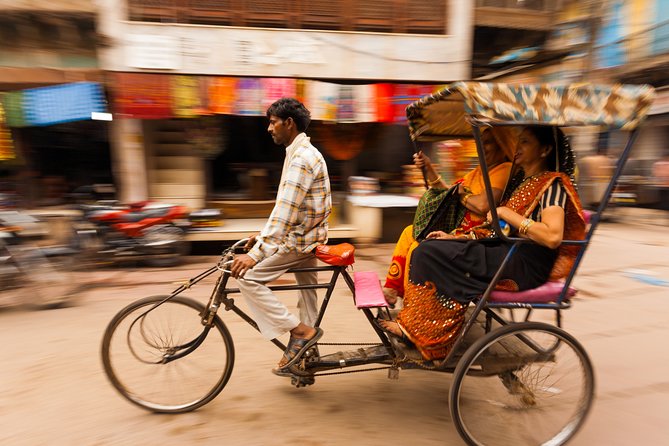
This is a busy historic bazaar with clothing, housewares, hardware shops, plus restaurants and snack stalls. The value here is simple: you get to experience local shopping rhythm and grab a snack without rushing to another ticketed site.
Practical tip: set a budget before you wander. Market browsing in India is a sport, and you will win if you control how much you want to spend.
Day 10 in Delhi: a relaxed finish and airport transfer
Day 10 returns to New Delhi. You get a relaxed ending with a driver taking you to the airport based on your flight schedule, around 2 hours, free.
This is a relief after all the palace days. It is also the moment to do the small admin tasks you postponed, like charging devices and sorting your photos.
Drivers and service: what people tend to notice most
The standout theme in the experiences shared for this kind of trip is care from the driving team. Names that show up in past journeys with Incredible Real India include Bhanwar Singh and Modaram. Other driver names mentioned include Ranjeet, KK (Kishor Kumar), Kanu, and Ashok.
What matters for you is not the name itself. It is the pattern: calm driving, help with information, and making sure you are comfortable between stops. One review also called out that a driver helped with ticket access when cash ran short, which tells you how quickly they try to solve problems.
If you like good support in a foreign country, that kind of day-to-day reliability is often more valuable than one extra souvenir stop.
How to judge the value of $1,068 per person
Here is the value math in plain terms.
You are paying for:
- A 10-day route covering Delhi, Agra, Jaipur, and Udaipur
- Pickup and airport transfer
- Admission tickets for most major stops, including Qutub Minar, Humayun’s Tomb, Red Fort, Akshardham, Gurudwara Bangla Sahib, Gandhi Memorial Hall, Jama Masjid, the Taj Mahal, Agra Fort, Itimad-ud-Daulah, City Palace Jaipur, Amber Fort, Hawa Mahal, Jantar Mantar, Jaigarh Fort, Albert Hall Museum, Birla Mandir, Govind Devji Temple, Nahargarh Fort, Royal Gaitor Tumbas, Lake Pichola boat ride, Sahelion Ki Bari, City Palace Udaipur, and Jagdish Temple
- Free items on select stops like India Gate, Jag Mandir, Pasar Chandni Chowk, and the final airport transfer
Even if you do not love every monument, the included entries reduce the hidden “cost creep” that happens with independent travel. The private group format also keeps your schedule tighter, which is helpful for Taj Mahal timing.
The one thing to watch is that the itinerary is full. If you want slow mornings, this plan might feel intense.
Who this tour fits best
This works best if you:
- Want a structured highlights route without building it yourself
- Prefer private, group-only logistics
- Like monuments, palaces, and major places of worship
- Are okay with long days and lots of walking
It may be less ideal if you:
- Want lots of free time in each city for your own wandering
- Get easily exhausted by back-to-back ticketed stops
- Are expecting lots of markets and local neighborhoods, since the focus here is landmark-heavy
Should you book Royal Rajasthan: Whispers From The Past?
I think this is a strong choice if your goal is classic North India highlights, done in a clean order with admissions handled and pickup managed. The mix of Mughal sites, Rajput forts and palaces, and Udaipur’s lake and palace world keeps the trip from feeling repetitive.
If you book, protect yourself by bringing comfortable walking shoes and keeping your expectations realistic. You will see a lot, so pace your photos and give your body short breaks when possible.
If you want the highlights and do not want to babysit logistics across four cities, this is a solid bet.
FAQ
Where does the tour start and end?
It starts at Indira Gandhi Intl Airport, New Delhi, and it ends back at the meeting point in New Delhi.
Is there an airport pickup from Delhi?
Yes. You are picked up from Delhi Airport with a signed board under your name, based on your arrival details.
How long is the Royal Rajasthan experience?
The duration is listed as approximately 10 days.
Which cities are visited?
The itinerary includes Delhi, Agra, Jaipur, and Udaipur.
Is this tour private?
Yes, it is described as a private tour/activity, with only your group participating.
Are admission tickets included?
Admission tickets are listed as included for many stops. Some items are marked free, like India Gate, Jag Mandir, Pasar Chandni Chowk, and the final airport transfer.
Do you visit the Taj Mahal?
Yes. The Taj Mahal is included and it can be visited during sunrise, sunset, or both.
Is there a boat ride included in Udaipur?
Yes. There is a Lake Pichola boat ride included, scheduled for about 1 hour.
What is the cancellation policy?
The experience is non-refundable and cannot be changed for any reason. If you cancel, the amount paid is not refunded.
Latest reviews in from New Delhi
- Private Day Trip to Taj Mahal by Car from Delhi★ 5.0 · 16 reviews
- “Overnight Taj Mahal Tour from Delhi by Private AC Car”★ 5.0 · 16 reviews
- New Delhi to Agra Airport/Hotel – One-Way Cab Private Transfers★ 4.5 · 16 reviews
- 10 Day Private Luxury Golden Triangle with Khajuraho and Varanasi★ 5.0 · 16 reviews
- Private One Day Tour of Taj Mahal, Agra Fort & Fatehpur Sikri from New Delhi★ 5.0 · 16 reviews
- All Inclusive : 5 Days Golden Triangle Tour : Delhi, Agra, Jaipur★ 5.0 · 16 reviews
- Delhi & Taj Mahal Private Day Tour with Lunch and Tickets★ 5.0 · 16 reviews
- From Delhi: Taj Mahal Sunrise Tour with Elephant Conservation★ 5.0 · 16 reviews
Delhi Tours, compared.
Old & New Delhi City Tour – Half or Full Day Options Available
Read our review →

Same Day Taj Mahal, Agra Fort & Baby Taj Tour from Delhi by Car
Read our review →
Taj Mahal Day Tour from Delhi by Superfast Train – TOP RATED TOUR
Read our review →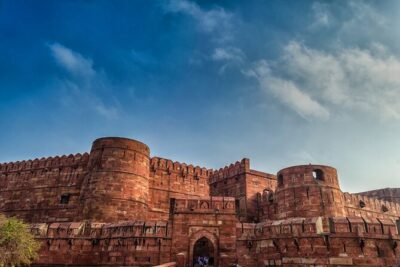
Full Day Taj Mahal, Agra Fort & Baby Taj Tour from Delhi by Car
Read our review →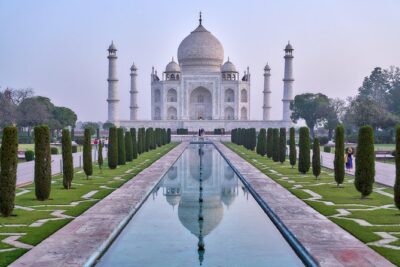
Taj Mahal & Agra Private Day Trip with Transfers
Read our review →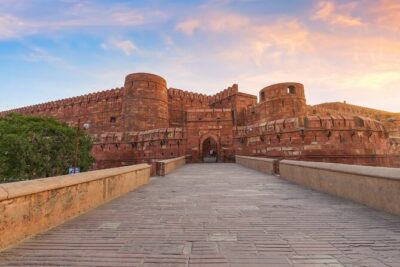
Taj Mahal Tour from Delhi by Express Train (Viator Award Winner)
Read our review →