
Reviewed · OLD DELHI TOURS
Chandni Chowk Old Delhi Food Tour with Spice Market
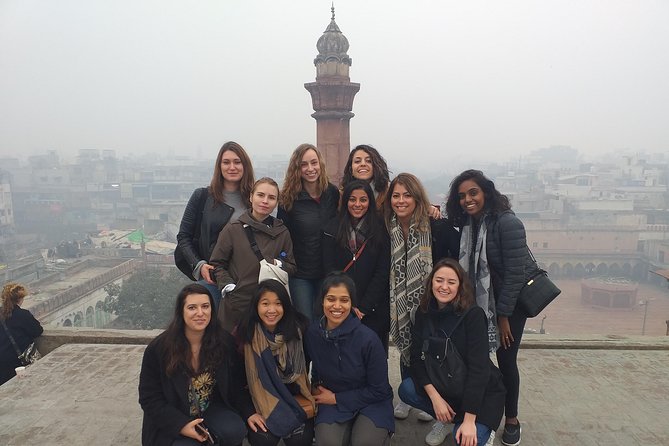
Chandni Chowk can swallow your day, so this 3-hour food-and-spice tour turns the chaos into a plan. I like how the guide keeps you moving through the spice markets and right into a fun cycle rickshaw ride.
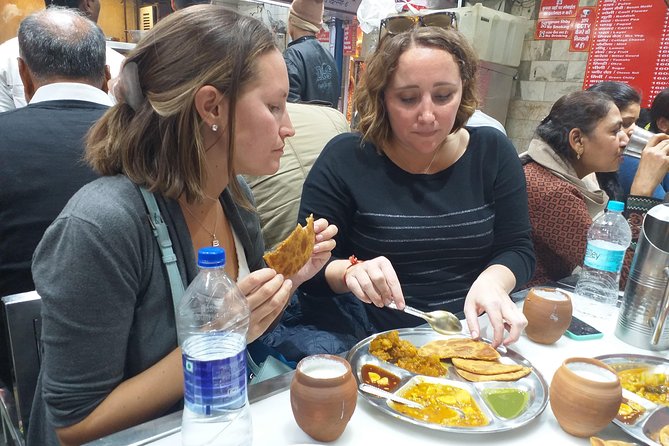
I also love the eating part: coffee or tea plus vegetarian street food snacks, with time to stop in places you would likely miss if you wander alone. Guides like Gajendra and Achaleshwar are known for explaining what you are tasting and answering questions as you go.
The one drawback to consider is that this is still a walking tour in a crowded area. If you are not comfortable with tight lanes and lots of people, wear good shoes and expect to move at a steady pace.
Key things to look forward to
- A guide that helps you navigate fast, without you getting stuck in the wrong lanes
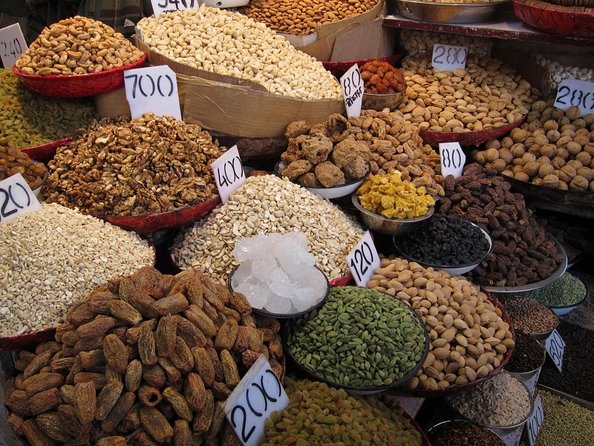
- Spice Market stops that actually feel different, not just photos and quick stops
- A cycle rickshaw ride to break up the walking and give you a different angle on Old Delhi
- Temple visits that add context, including a Jain temple and Gurudwara with Langar service
- Clear food explanations, so you understand what you are eating and why it is popular
- Group stays small, with a maximum of 20 people to keep the tour manageable
Why this Chandni Chowk food tour works (even when the streets feel overwhelming)
Old Delhi has a way of making you second guess your direction. You turn a corner and suddenly you are surrounded by sound, smells, and stalls stacked floor to ceiling. This tour is built for that reality, with a guide who keeps you moving and explains what you are seeing before you overthink it.
I especially like that you are not only eating. You are connecting the food to the places, from Khari Baoli, to the surrounding spice streets, to wedding-focused bazaars that sit right next to it. That makes the experience feel like a route with meaning, not random snack stops.
Another big win is pacing. You get a cycle rickshaw ride as a reset, so you are not walking every single minute of the 3-hour window. It also gives you a moment to take in the area at street level without trying to squeeze your way through crowds the whole time.
More Food Tours in Delhi
- The Great Indian Food Tour: Old Delhi Food and Heritage Walk
★ 5.0 · 1,698 reviews - Old Delhi Food, Heritage&Cultural Walk with Rickshaw ride to Masterji Kee Haveli
★ 5.0 · 742 reviews - Old Delhi Street Food Tour
★ 5.0 · 497 reviews
The 3-hour flow: what you can expect from start to finish
The tour runs about 3 hours, and it loops back to the meeting point at the end. That matters because Old Delhi logistics can be confusing when you are doing it yourself. Here, you start near Lal Quila metro station, at Shani mandir gate number 01, and you finish in the same area, so you are not left figuring out a new meeting point after you eat.
You will also be moving between multiple types of stops. That includes religious sites and market areas, plus the spice market itself. The route is short enough to keep energy up, but packed enough that it gives you a full sense of the neighborhood.
A practical tip: since the schedule includes specific places that can be time-sensitive, you will want to arrive on time and stay flexible. For example, the Digambar Jain Lal Mandir is built in 1656, and it is closed from 12:00 PM to 5:00 PM. If your tour timing falls during that window, you should expect the focus to shift to what is possible around the visit.
Digambar Jain Lal Mandir: a 1656 temple stop with gold art and a birds hospital
One of the early stops centers on Digambar Jain Lal Mandir, built in 1656. The details here are what make it memorable: beautiful gold plated painting, plus something unusual in the description, a birds hospital.
What you get from a stop like this is contrast. You are in the middle of busy market life, but the temple stop shifts you into a quieter frame of reference. And because the location is anchored in an older era, it helps you see why Old Delhi feels layered instead of chaotic for no reason.
Do keep the hours in mind. The temple is closed from 12:00 PM to 5:00 PM, so if you are booking for midday, your timing could affect how much time you get inside versus around the area. Either way, it is a strong anchor stop that gives the tour more depth than a pure food crawl.
Gurudwara Sis Ganj Sahib and the Langar: why the free kitchen matters on a food tour
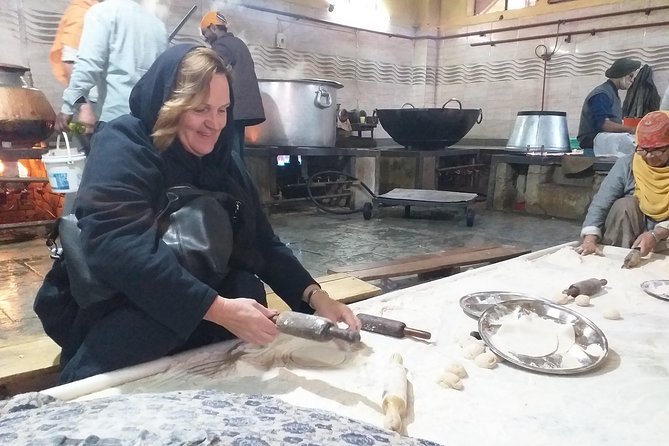
The tour also includes Gurudwara Sis Ganj Sahib, dedicated to the Ninth Guru Teg Bahadur. It is known for the Langar, the free kitchen, where more than 10 thousand people eat every day and also do some service.
This is where the tour becomes more than tasting. You are seeing a system of hospitality that is part of daily life, not a one-time show. Even though you are there for food as a theme, the Langar reframes what food can mean in a community setting.
The Gurudwara is described as golden-domed, which helps you spot it in the area. When you pause here, you are taking a break from the market intensity, but you are not losing the food story. Instead, you get the background that makes the emphasis on shared meals feel natural.
Practical note: because you are visiting a religious site in an active area, go respectfully and keep your pace appropriate for the crowd.
More Shopping Tours in Delhi
- Delhi Food Walk: Rickshaw Ride, Street Eats & Market Tour
★ 5.0 · 401 reviews - Old Delhi Food-Spice Market-Temples Tour Soon Featured on NETFLIX
★ 5.0 · 304 reviews - Old Delhi Odyssey: A Tour of Religion, Spice Market, & Best Food
★ 5.0 · 284 reviews - Customized Half Day or Full Day Delhi Shopping Tour with Female Consultant
★ 5.0 · 273 reviews
Khari Baoli, Asia’s biggest spice market: walking into 1,000+ shops
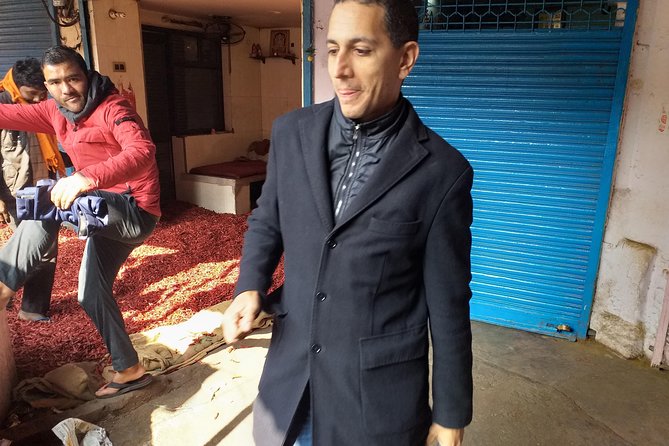
If there is a single must-do stop, it is Khari Baoli. It is described as Asia’s biggest spice market, with more than 1,000 shops. That is a lot of stalls in one place, and it is exactly the kind of environment where a guide makes a difference.
Without guidance, it is easy to get overwhelmed and miss the patterns. With guidance, you move through the market with a purpose. The tour also notes that the Khari Baoli admission ticket is free for this stop, which is helpful because it removes a small cost and keeps the focus on tasting and observing.
What I like about this stop is that it is not only about spices as products. You get a sense of spice as the backbone of Old Delhi’s food culture, from everyday cooking to the stall foods people line up for. You will likely notice how people choose, mix, and sell, and that makes the snack portions feel connected rather than random.
Also, go slow with your senses. The smell hits first, then the visual texture of spices in bins and stacks. Give yourself a moment at the beginning of the market stop to settle in, then you will absorb more during the rest.
Gadodia Market and the rooftop birds-eye view of Old Delhi
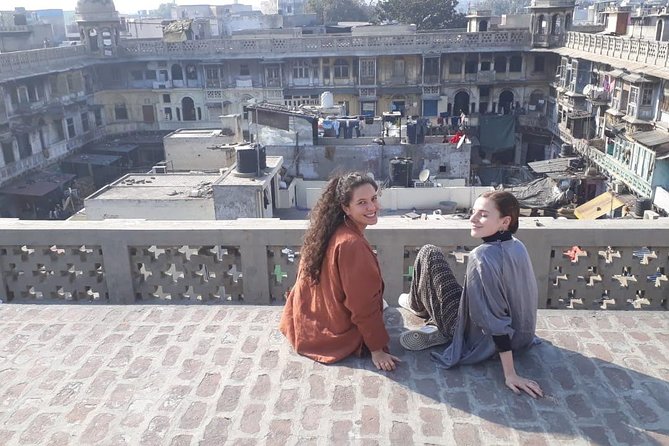
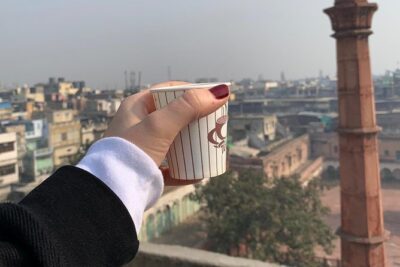
After Khari Baoli, you move into Gadodia Market, described as an old haveli and also part of the spice market. It is called a small spice village, and the tour includes a fun change of perspective: you go up to the rooftop of the haveli for a birds-eye view of Old Delhi.
This rooftop moment is valuable because it fixes your mental map. When you are down in the lanes, everything feels like a maze. From above, you can start to see how the neighborhood pieces connect. That makes the rest of your time in the area easier to understand later, whether you continue exploring on your own or just feel more oriented before you leave.
The stop also notes that admission is free here. That means the value comes from the setting and the view, not from paying an extra fee at each market.
What to watch: rooftops can vary in comfort depending on the day. Bring a bit of patience and keep your footing in mind, especially if the route includes stairs or uneven surfaces.
Kinari Bazar: wedding jewelry, women’s dresses, and centuries-old havelis
Kinari Bazar is where the tour expands beyond spices. This is a market tied to weddings and decorative items for women’s dresses and home decoration. It is also paired with visits to around 350-year-old havelis, described as Naughara.
This stop is useful because it shows you what is next door to spice commerce. Old Delhi is not divided into clean categories. The same neighborhoods that sell ingredients also support celebrations, fashion, and household life. That is why your tour feels like a real slice of city living, not just a food theme park.
Admission is noted as free for this stop too, which helps keep the experience budget-friendly. The havelis add an architectural time layer, so your photos will show more than shop fronts. Even if you do not know much about architecture, you can still feel the age in the way these buildings hold space.
One possible drawback here is simply attention span. If you are hungry and still processing spice smells, the clothing and decoration details can take a little extra mental energy. Keep your camera handy, but also take in what people are buying and carrying. That tells you more than the displays alone.
The famous Old Delhi street segment: your bridge between markets and monuments
Your route also includes one of the famous streets of Old Delhi, which functions like a connective tissue between the market zones and the temple stops. It is a good moment to walk, look, and reset.
I like these street stretches because they give context. You start to notice how food stalls sit near prayer spaces, how market flow changes by time of day, and how people move as a group. Without a planned walk like this, it is easy to miss those details because you are focused on the next vendor or the next snack.
If you are the type who enjoys observing people, this segment gives you that chance without turning your whole tour into a photo mission.
Guides who explain the food: the biggest quality signal
The tour’s strongest reputation feature is how well the guides handle communication. Guides such as Gajendra and Achaleshwar are noted for being friendly and for explaining each food item clearly.
That matters because street food can be intimidating. You might see a stall you want to try, but not know what it is, how it is usually eaten, or what flavor profile to expect. When your guide explains what you are about to taste, you get more enjoyment and less guessing.
You also get tips, and this is where you leave the tour with something practical. Even if you come back later on your own, you have a better sense of what to look for and how to order with confidence.
And because the tour includes refreshments and vegetarian street food snacks, you are not left hungry while you are still learning the area.
Price and value: what $45 buys you in Old Delhi
At $45 per person for about 3 hours, this is priced like a focused local experience. The included items help justify the cost: coffee or tea, vegetarian street food snacks, and a cycle rickshaw ride.
The value is not just the food itself. It is what the guide prevents. In a crowded place like Chandni Chowk, getting lost is not only annoying, it can waste time and can cut your snack budget because you spend energy searching instead of tasting.
This tour also stays small, with a maximum of 20 travelers. That keeps the experience from turning into a slow-moving line where you cannot hear explanations or make decisions quickly at each stop.
One more value angle: the stops include free admission notes for key markets like Khari Baoli, Gadodia Market, and Kinari Bazar. That reduces the number of surprise costs so your meal plan stays predictable.
Who should book this tour, and who should think twice
This is a great fit if you want a guided walk through Old Delhi food and spice markets without the stress of planning every turn. It is also a good match if you care about context, not just consumption, because the route ties market stops to religious sites including Langar service at Gurudwara Sis Ganj Sahib.
It is especially suitable for people who like small group pacing and clear explanations from a friendly guide. The cycle rickshaw ride is a nice bonus if you want a break without leaving the neighborhood.
Think twice if you have mobility limitations or you do not like dense crowds. Since it is a walking tour through busy lanes, you will feel the movement. In that case, you may still enjoy the food stops, but you should be realistic about how much you will be able to walk.
If you are sensitive to closures by time of day, note that Digambar Jain Lal Mandir is closed from 12:00 PM to 5:00 PM. Your exact route experience could vary based on timing.
Should you book? My straightforward take
If you want a high-confidence way to eat well in Chandni Chowk, I think this is a smart booking. The mix of vegetarian street food, spice market stops, and a cycle rickshaw ride gives you multiple ways to enjoy Old Delhi in just 3 hours. Most importantly, the guide-led explanations are a standout quality, so you are not just following the crowd, you are understanding the food.
I would book it when you have one short window and you want maximum value from it. I would also book it if you are curious about how daily life, markets, and religious hospitality connect in this part of Delhi.
Skip it only if walking in crowds is a problem for you, or if you are specifically trying to do a slow, unstructured explore on your own schedule.
FAQ
How long is the Chandni Chowk Old Delhi Food Tour with Spice Market?
The tour lasts about 3 hours.
What is the price per person?
It costs $45.00 per person.
What is included in the tour?
Coffee and/or tea, vegetarian street food snacks, and a cycle rickshaw ride are included.
Is shopping part of the tour?
No, shopping is not included.
What stops and markets does the tour include?
You visit places including Digambar Jain Lal Mandir, Gurudwara Sis Ganj Sahib with Langar, Khari Baoli, Gadodia Market, and Kinari Bazar, plus a famous street in Old Delhi.
Does the tour include admission tickets for the markets?
The tour notes free admission tickets for stops like Khari Baoli, Gadodia Market, and Kinari Bazar.
How big is the group?
The tour has a maximum of 20 travelers.
More Food Tours in New Delhi
- Chandni Chowk Delhi Food Tour with 15+ Tastings
★ 5.0 · 285 reviews - The Legendary Delhi Belly Food Tour
★ 5.0 · 169 reviews - Old Delhi Food Tour Safari – The Capital of Flavors
★ 5.0 · 96 reviews - Old Delhi Walking Tour: Food, Culture & Spice Bazaars
★ 5.0 · 94 reviews
More of Old Delhi
- Old Delhi Bike Tour
★ 5.0 · 616 reviews - Breakfast Walk in Old Delhi
★ 5.0 · 449 reviews - New Delhi and Old Delhi Private Tour 4-8 Hours – Customizable
★ 5.0 · 342 reviews - Old Delhi Street Food Tour – Explore Spices in Chandni Chowk
★ 5.0 · 334 reviews
Latest reviews in from New Delhi
- Taj Mahal Day Tour By Superfast Train From Delhi: TOP BOOKED TOUR★ 5.0 · 42 reviews
- Same Day Tour of Taj Mahal with Our Real Historical Experience★ 5.0 · 42 reviews
- Manali Tour Package★ 4.5 · 43 reviews
- Taj Mahal Tour with Agra Fort – All-Inclusive Day Trip from Delhi★ 5.0 · 43 reviews
- Taj Mahal Same Day Tour by India’s Fastest Train★ 5.0 · 43 reviews
- Private Day Trip to Haridwar and Rishikesh from Delhi by Car★ 5.0 · 43 reviews
- Royal Taj Mahal Day Experienc From New Delhi By First Class Train★ 5.0 · 43 reviews
- 5-Day Private Delhi, Agra and Jaipur with Ranthambhore Tiger Tour From Delhi★ 5.0 · 44 reviews
Old Delhi Tours, compared.
The Great Indian Food Tour: Old Delhi Food and Heritage Walk
Read our review →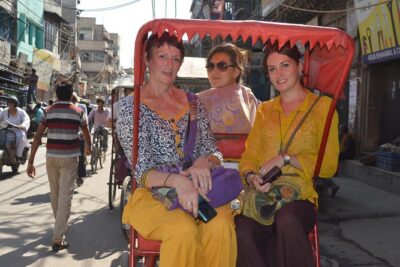
Old Delhi Food, Heritage&Cultural Walk with Rickshaw ride to Masterji Kee Haveli
Read our review →

New Delhi and Old Delhi Private Tour 4-8 Hours – Customizable
Read our review →
Old Delhi Street Food Tour – Explore Spices in Chandni Chowk
Read our review →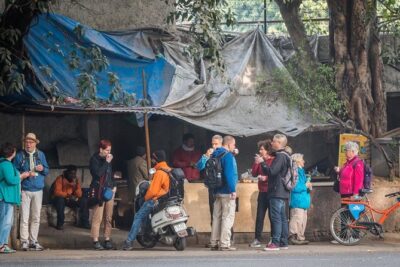
Browse the lists this tour appears in