
Reviewed · OLD DELHI TOURS
Old Delhi through the Hidden Alleys Walking Tour
Old Delhi is the kind of place that can overwhelm you fast, but this walking tour gives it structure. I love how Shahjahanabad history gets explained in a way that actually helps you connect streets to stories, and I love the street-food taste stops that turn the morning into something you feel, not just see. One possible drawback: you will walk through narrow lanes for about four hours, so come ready for heat, crowds, and lots of close-up city life.
This is run by Elena&Delhi, with Elena (an Italian-speaking guide) leading the group. Based on what has worked again and again for other visitors, she keeps a steady rhythm and adjusts explanations to what you care about.
Key highlights you should know before you go
A route built for first-timers, not just for people who already know Old Delhi
Jama Masjid context, including its role as the emperors’ mosque
Chandni Chowk to Khari Baoli, so you get from big-bazaar energy to spice-market sensory overload
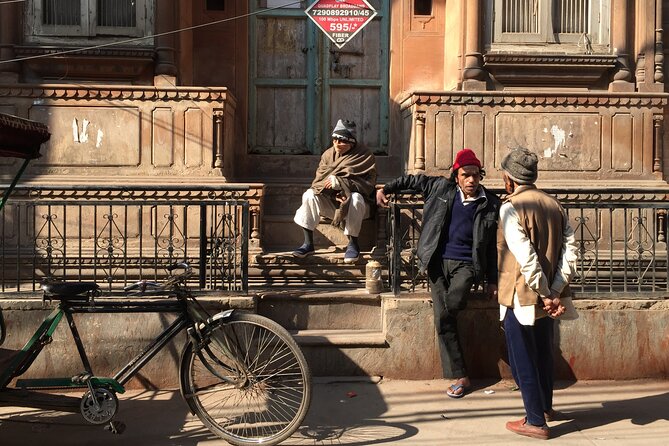
Hidden lanes that hint at old house life, without you needing to find it on your own
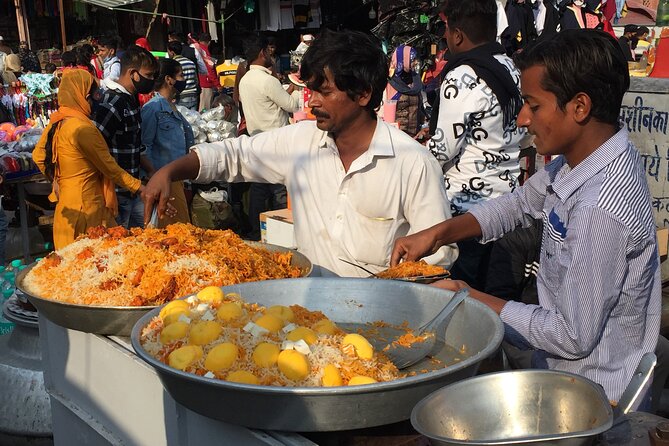
Street-food tasting and bottled water, small inclusions that save you time and hassle
Why Old Delhi’s Hidden Alleys Feel Different from the Usual Sights
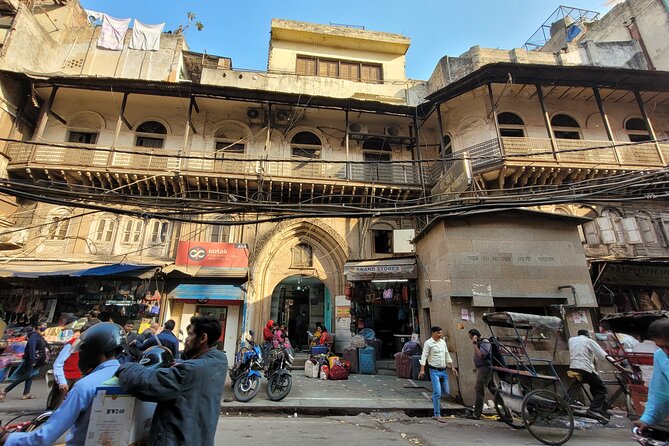
If your mental picture of Delhi is only monuments, this tour is a smart correction. Old Delhi is made of gali (lanes) and quick turns, and that maze is exactly what you learn to read as you go. The payoff is that you stop treating the area like a checklist and start feeling how the city grew, how power shifted, and how daily life keeps going.
What I like most is that the tour doesn’t just point at places. You get the story behind why these neighborhoods feel the way they do, especially the changes tied to Mughal and British power. That kind of framing turns landmarks like Jama Masjid and Chandni Chowk into something more useful: anchors for understanding how Shahjahanabad became Old Delhi.
More Walking Tours in Delhi
- The Great Indian Food Tour: Old Delhi Food and Heritage Walk
★ 5.0 · 1,698 reviews - Old Delhi Food, Heritage&Cultural Walk with Rickshaw ride to Masterji Kee Haveli
★ 5.0 · 742 reviews - Breakfast Walk in Old Delhi
★ 5.0 · 449 reviews
Getting Oriented at Asaf Ali Road (and Why the Start Matters)
You meet at Asaf Ali Road, near Turkman Gate and Chandni Chowk. This matters because Old Delhi navigation can feel like a puzzle with moving pieces, even when you think you are following the same street on your phone.
From the beginning, you are walking with a guide, and that alone saves time. You also get a pace that helps you keep up without rushing, which is huge when you are moving through crowds and narrow sections where stopping to regroup can slow everything down.
If you like a plan, you will appreciate that this tour is designed to loop back to the meeting point at the end. That means you do not have to figure out the last leg of your route while tired.
Stop in Shahjahanabad’s Lanes: Mughal to British Power and the City’s Shape
This walk focuses on Shahjahanabad, the older heart of Old Delhi, and how it ended up looking the way we recognize today. You will hear the darker side of the story, the passage between Mughal power and British power, described as a turning point that changed the city’s face.
I like this approach because it gives you a lens while you are still surrounded by the physical details. When you are standing in or near old lane networks, the history stops being abstract. The streets feel like the city’s “memory,” and the explanation helps you connect what you are seeing to why it developed that way.
You will also get that maze feeling. The tour is built around narrow alleyways, so you will experience what it means to move through a web of lanes rather than broad avenues. It is not a sightseeing stroll, it is a city-walk, and that is the point.
A practical note on pace and comfort
The lane sections can be tight and busy. If you have mobility limits, you might still be okay since the tour says most travelers can participate, but do expect to be on your feet and weaving through foot traffic. Comfortable shoes are not optional here.
More of Old Delhi:
- Old Delhi Bike Tour
★ 5.0 · 616 reviews - Old Delhi Street Food Tour
★ 5.0 · 497 reviews - New Delhi and Old Delhi Private Tour 4-8 Hours – Customizable
★ 5.0 · 342 reviews - Old Delhi Street Food Tour – Explore Spices in Chandni Chowk
★ 5.0 · 334 reviews
Jama Masjid: Second Largest Mosque in India and the Emperors’ Connection
One of the big anchors of the tour is arriving at Jama Masjid, described as the second largest mosque in India. Even if you have seen big mosques before, what you learn here adds weight, because this one was also the mosque of the emperors.
That emperors’ connection is a key reason this stop matters. You are not just looking at a beautiful religious landmark; you are seeing how religious space and political power were intertwined. With that context, the size and centrality of Jama Masjid make more sense.
You should also plan for the practical part. Entry to Jama Masjid is not included, and there is an entry fee of ₹400 per person. That is worth budgeting for, especially if your group is on a tight schedule and you want everyone to enter without last-minute decisions.
Chandni Chowk Bazaars: Where the City Feels Loud and Human
After Jama Masjid, the tour moves into the bazaars that line Chandni Chowk. This is where Old Delhi becomes intensely day-to-day. The energy shifts from monumental to commercial, and from open views to side-street texture.
I enjoy this segment because it is where you can really watch ordinary life happen. You are not only walking past shops; you are moving through the same corridors that support trade, errands, and local rhythms. The tour also includes street-food tasting, so you can convert all that sensory overload into something you can actually enjoy.
This is also a great time to slow down and pay attention to how the lanes connect. Chandni Chowk acts like a spine, and then the smaller turns around it feel like tributaries. The guide’s job is to keep you from feeling lost in the chaos and instead help you understand the layout.
Khari Baoli Spice Market: Smell, Color, and an Easy Win for Photo Ops
You continue until you reach Khari Baoli, the spice market. This is one of those stops where the senses do half the work for you. Spices do not just look interesting; they change the air and make the whole area feel alive.
If you love markets, you will likely enjoy Khari Baoli for the same reason people keep returning, it is specific. It is not a general shopping area, it is tied to goods that people use daily. That makes it feel more grounded than a purely tourist-oriented bazaar.
Even if you are not a big shopper, it is still a strong stop because you can watch how trade moves in close quarters. With a guide, you also avoid the common problem of wandering into the wrong lanes and realizing too late you are off-route.
Narrow Lanes and Old House Life: Seeing Past Architecture Without Getting Lost
A key promise of the tour is that you will enter narrow lanes that still give you an idea of how houses of the past were like. This is valuable because it adds a scale shift. After mosques and big bazaars, the smaller lanes help you understand where people lived, how they moved, and what daily life might have looked like in older times.
I also think this is one of the most practical parts of the tour. Narrow areas are where people can feel unsure, and the guide helps you stay oriented. Instead of stumbling through alleyways with no context, you get hints about how old neighborhood life worked.
Based on the way the tour has been described by Italian-speaking visitors, Elena’s explanations are known for being clear and precise. That helps you connect what you see at street level to the bigger story of Shahjahanabad and its transformation.
Street-Food Tastes and Bottled Water: Small Inclusions That Save Your Morning
Included in the tour are a taste of street food and bottled water. On a walking tour, this matters more than it sounds. You get a planned chance to try local flavors without spending extra time hunting for the right stand, and you get water as a basic comfort tool.
If you have dietary restrictions, you should plan to ask what’s being offered before you commit. The tour does include food tastings rather than full meals, so it is usually manageable, but you do need to be aware of ingredients.
And yes, Old Delhi mornings can get hot. Past participants have referenced humidity and heat on their tour day, so I recommend you bring sun protection and dress smart for walking. The bottled water helps, but it is not a full solution.
Private Group Up to 6: Better Control in a Crowd
This is a private tour, meaning only your group participates. The listed price is $121.35 per group, up to 6 people, which can make it good value if you split with friends or family.
The “private” part matters in Old Delhi. When you are in tight lanes, group management becomes part of the experience, not a side detail. With your own small group, you move with less friction than larger tours and you can follow the guide’s pacing more easily.
If you are traveling as a duo or a small family, this format tends to feel more personal. You also have more flexibility to ask questions, especially if your focus is history, architecture, or how life works in the old quarters.
Price and Logistics: What You Pay Up Front, What You Add On
The base price is $121.35 per group (up to 6) for an experience of about four hours. It includes bottled water and a street-food tasting, so you are not walking the whole time without at least one locally-tuned break.
Two items are not included:
- Public transportation: ₹200.00 per booking
- Jama Masjid entry fee: ₹400.00 per person
That split is worth understanding before you book. The tour price can be a strong deal if you divide it among a full group, but it becomes more expensive per person if you are only a couple. On top of that, Jama Masjid’s entry fee is per person, so budget that into your total.
Who This Hidden Alleys Tour Fits Best
I think this tour is a great match for you if you want Old Delhi to feel navigable. If you love history but do not want museum-style lectures, the Mughal to British framing plus the lane walking combo is a smart blend.
It also makes sense if you want a guide who can handle international visitors smoothly. Elena is praised for being kind, welcoming, and professional, and for adjusting the tour when people have limited time between flights. If you only have a morning window, this four-hour structure helps you make progress without blowing the day.
Finally, if you are going solo and you worry about figuring out alleys on your own, having a guide and a private small group can reduce stress. You still get the real Old Delhi feeling, but you are not doing it blind.
The Main Tradeoffs Before You Book
This is not a slow, wide-street walk. It is about narrow lanes, crowds, and city texture. If you hate close-up crowds or you need lots of space to move, you might find parts of the route uncomfortable.
You also need to be ready for extra costs at Jama Masjid and for any local transport you use. The tour provides water and one food taste, but you should still plan your day around food and hydration since four hours in Old Delhi can move faster than you expect once you get pulled into the market atmosphere.
Should You Book This Hidden Alleys Walking Tour?
Book it if you want Old Delhi to make sense quickly. The mix of Shahjahanabad context, Jama Masjid’s imperial connection, Chandni Chowk bazaars, and Khari Baoli spices is a strong order for a first visit.
Skip it or think twice if you dislike walking through tight lanes, or if your budget cannot handle the Jama Masjid entry fee on top of the tour price. Also, if you expect a calm, quiet experience, Old Delhi is not that kind of place.
If you do book, aim for a morning with good energy, bring comfy shoes, and show up willing to let the city teach you its layout. With Elena leading, you should come away with that key feeling, you did not just see Old Delhi, you understood it.
FAQ
How long is the Old Delhi Hidden Alleys Walking Tour?
The tour lasts about 4 hours.
What does the tour cost and how big is the group?
The price is $121.35 per group, up to 6 people. It is a private tour, so only your group participates.
What is included in the tour price?
The tour includes a taste of street food and bottled water.
What is not included?
Public transportation is not included (₹200.00 per booking), and Jama Masjid entry is not included (₹400.00 per person).
Where do we meet for the tour?
You meet at Asaf Ali Road, near Turkman Gate and Chandni Chowk, Delhi, India.
Do I get an electronic ticket?
Yes, the tour uses a mobile ticket.
More Walking Tours in New Delhi
- Delhi Food Walk: Rickshaw Ride, Street Eats & Market Tour
★ 5.0 · 401 reviews - New Delhi Slum Walking Tour
★ 5.0 · 360 reviews - Old Delhi Heritage Walking Tour
★ 5.0 · 247 reviews - Old Delhi Walking Tour: Food, Culture & Spice Bazaars
★ 5.0 · 94 reviews
Latest reviews in from New Delhi
- Private Day Trip to Taj Mahal by Car from Delhi★ 5.0 · 16 reviews
- New Delhi to Agra Airport/Hotel – One-Way Cab Private Transfers★ 4.5 · 16 reviews
- “Overnight Taj Mahal Tour from Delhi by Private AC Car”★ 5.0 · 16 reviews
- 10 Day Private Luxury Golden Triangle with Khajuraho and Varanasi★ 5.0 · 16 reviews
- Private One Day Tour of Taj Mahal, Agra Fort & Fatehpur Sikri from New Delhi★ 5.0 · 16 reviews
- All Inclusive : 5 Days Golden Triangle Tour : Delhi, Agra, Jaipur★ 5.0 · 16 reviews
- Delhi & Taj Mahal Private Day Tour with Lunch and Tickets★ 5.0 · 16 reviews
- From Delhi: Taj Mahal Sunrise Tour with Elephant Conservation★ 5.0 · 16 reviews
Old Delhi Tours, compared.

The Great Indian Food Tour: Old Delhi Food and Heritage Walk
Read our review →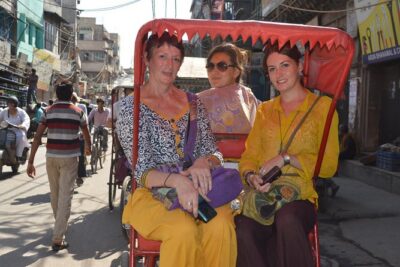
Old Delhi Food, Heritage&Cultural Walk with Rickshaw ride to Masterji Kee Haveli
Read our review →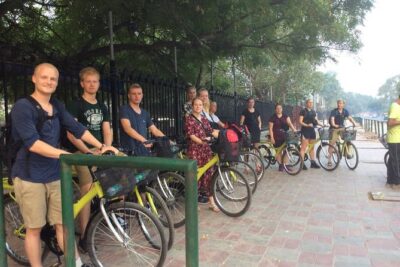


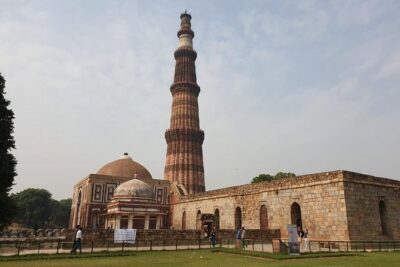
New Delhi and Old Delhi Private Tour 4-8 Hours – Customizable
Read our review →
Old Delhi Street Food Tour – Explore Spices in Chandni Chowk
Read our review →
Browse the lists this tour appears in