
Old Delhi can feel like sensory overload, but this 3 to 3.5 hour loop turns the noise into food, faith, and context. You go beyond just looking, you get the why behind what you see.
I especially like the tried-and-tested street food tasting and the chance to understand what’s happening inside the Sikh gurdwara mega kitchen. Both parts make the whole neighborhood feel more real, not just photo backdrops.
One consideration: you will be moving through crowded lanes and active markets. If you hate crowds or you are very sensitive to strong smells and flavors, plan to go slow and stick with the guide’s pacing.
Key things that make this Old Delhi tour click
- Street-food tasting with ingredients and history, not random snacks
- Sis Ganj Sahib gurdwara and its mega kitchen serving 15,000+ people daily
- Asia’s largest spice market with ideas for what to buy and how to think about spices
- Rickshaw ride in the chaos of Old Delhi, so you understand the street plan quickly
- Hindi help and money-saving tips you can use the moment you step off the tour
- Multiple faith landmarks in one route, so you see how religion shapes daily life
The value of a 3-hour Old Delhi loop at this price
At about $30.13 per person for a 3 to 3.5 hour experience, this is priced like a food tour, but it behaves like a neighborhood orientation. You’re not just sampling dishes, you’re also getting guided stops that connect those flavors to the places that shaped them.
You’ll likely get the biggest payoff if you’re short on time and want structure. Old Delhi is easier when someone helps you connect the dots, like why a spice market sits where it does, or why a gurdwara kitchen runs the way it does.
You also get a clear promise: a mobile ticket, a route built around major sights, and a guide named Aman Sadh who brings both warmth and practical explanations. It carries a 5-star rating and a very high recommendation rate, which matters when you’re eating street food and walking in busy areas.
More Food Tours in Delhi
- The Great Indian Food Tour: Old Delhi Food and Heritage Walk
★ 5.0 · 1,698 reviews - Old Delhi Food, Heritage&Cultural Walk with Rickshaw ride to Masterji Kee Haveli
★ 5.0 · 742 reviews - Old Delhi Street Food Tour
★ 5.0 · 497 reviews
Starting with Chandni Chowk: the market that teaches you how to look
Most people think of Chandni Chowk as a place you survive. This tour helps you turn it into a place you can actually navigate.
You start there, which is smart. The market gives you instant context: you see the rhythm of Old Delhi commerce, you learn where to focus your attention, and you get ready for food stops without feeling lost.
A big highlight here is how the tour handles street food. Instead of letting you fend for yourself, the guide explains the history and ingredients behind what you’re about to eat. That makes the tasting feel like learning, not just grazing.
What to expect while you walk the market
You’ll move at a lively pace through packed streets. You’ll also have moments to look around for photos, and you may have time to browse for simple shopping items related to spices and local goods.
The main drawback of Chandni Chowk
Chandni Chowk is intense. If you’re prone to motion sickness, anxiety in crowds, or you want a quiet trip, this part will push your comfort level. The good news is the tour uses the crowds as a classroom, so you’re never just standing there hoping for the best.
More Shopping Tours in Delhi
- Delhi Food Walk: Rickshaw Ride, Street Eats & Market Tour
★ 5.0 · 401 reviews - Old Delhi Food-Spice Market-Temples Tour Soon Featured on NETFLIX
★ 5.0 · 304 reviews - Customized Half Day or Full Day Delhi Shopping Tour with Female Consultant
★ 5.0 · 273 reviews - Private Customized Delhi Shopping Tour with Female Consultant
★ 5.0 · 160 reviews
Red Fort from outside: seeing scale without the wait
The tour includes Red Fort from outside, which I like for people who want context without a long detour. Even without entering, you get the sense of power and planning that shaped Old Delhi.
This stop is also useful as a mental reset. After the close-up intensity of Chandni Chowk, seeing a landmark like Red Fort helps you understand how the city’s grand structures frame everyday street life.
If you’re a first timer, this is a helpful way to orient yourself fast. You’ll know where you are and what direction the neighborhood energy is flowing.
Gurudwara Sis Ganj Sahib and the 15,000+ free kitchen
This is the kind of stop that changes how you look at a destination. You’re not only visiting a temple, you’re learning how community and service show up in daily life.
You’ll go to Gurudwara Sis Ganj Sahib, and the tour focuses on the mega kitchen where 15,000+ people eat for free every day. The most valuable part here is the behind-the-scenes style explanations, including how rituals and spaces work and what to notice as you observe.
Why this matters for you
Many visitors see religious places as scenery. Here, the point is connection. You’ll understand why food, service, and faith are linked, and you’ll see how that link plays out in a real operating system, not a museum exhibit.
Practical note
Gurdwaras typically have rules and etiquette, and you’ll be guided through what’s appropriate. Keep an open mind and follow the flow, especially when you’re in areas where people are actively preparing or serving.
Nau Ghara (nine houses lane) plus Jain and Hindu temple exteriors
After big landmarks and major religious space, the tour adds quieter visual moments. Naughara, the row of nine houses for photos, is about angles and atmosphere.
You also see Jain and Hindu temple exteriors. These stops work well because they broaden the story from one tradition to a fuller picture of how faith shows up across the streets.
The photo payoff is real
This is the kind of place where your camera skills suddenly improve. The layout naturally gives you repeating shapes and street-level perspectives, which helps you get the Instagram-friendly shots without needing to hunt for perfect lighting for an hour.
The main limitation
These are exterior views. If your goal is to go deep inside temples or attend ceremonies, you may want to add extra time later. For a 3 to 3.5 hour tour, though, the exteriors keep the route efficient and focused.
Fatehpuri Mosque: age, architecture, and time in the same frame
The itinerary includes Fatehpuri Mosque, described as 370 years old and the second largest mosque. That combination of age and scale makes it more than a quick photo stop.
Even when you only see it from the outside, this kind of landmark gives you a sense of how Old Delhi built its religious identity across eras. It also helps explain why the spice market and daily commerce feel so close to sites of worship. In this neighborhood, faith and life are not separated.
What you’ll get from the guide here
The guide’s style is to connect what you see to what it means. You’ll get context that makes the architecture feel purposeful rather than random.
A consideration
Mosque exteriors can be visually impressive but also crowded. Expect people moving through, and remember your best shots may be the ones you take patiently, not the ones you chase.
Asia’s largest spice market, plus a secret spice stop
If you like senses, you will like this section. The tour visits Asia’s largest spice market, and it doesn’t treat spices as a souvenir category. You’ll learn how to think about spices as ingredients with roles in everyday cooking.
A second highlight is a secret spice mansion stop. That extra layer is what turns the market visit from standard to memorable. Instead of just window shopping in a crowded bazaar, you get a different kind of space where spices feel more curated and understandable.
What you should do during the spice market
Keep your questions simple and practical. Ask what spices are used for, what they smell like when fresh, and how locals use them. The goal is to leave with ideas you can use back home, not just bags of powder.
The potential drawback
Spice markets can be overwhelming, especially if you have allergies or strong scent sensitivity. If smell is an issue for you, stick close to the guide and take small breaks when needed.
The street-food tasting that actually feels safe and specific
This tour earns its value by making the food part structured. You taste a different variety of tried and tested Indian street food with explanations of history and ingredients.
The specific tastings include:
- Samosa
- Jalebi
- Paratha or Choley Bhature
- Chai
I like that lineup because it covers different categories. You get a savory snack, a sweet, a hearty fried-bread style meal, and a classic drink to tie it together.
What makes this more than eating
You are not just checking off dishes. You’re learning what goes into them and why certain flavors show up again and again in Old Delhi. That turns your meal into a mini course on local taste.
How to pace yourself
Chandni Chowk walking is energetic. Eat with the group timing, take sips of chai between richer bites, and don’t try to overdo it on your own right after your tasting. The guide’s job is to keep the experience enjoyable, not to rush you through.
Rickshaw ride in chaotic Old Delhi, plus Hindi and money tips
A rickshaw ride is included, which I genuinely appreciate. On foot, Old Delhi can feel like one endless twisty lane. From a rickshaw, you gain perspective on the street layout, the flow of people, and how far places really are.
Why the ride is useful
It reduces confusion. You stop guessing and start understanding. Even if you take zero photos, you’ll come away with a map in your head.
Aman’s Hindi help and saving money advice
The tour includes a fun extra: you’ll get help with Hindi, and you’ll receive tips and recommendations on how to save money in India. That is practical street-level travel advice, not generic phrases.
If you’re the type who hates wasting time, these pieces help you spend smarter after the tour ends.
Timing, group size, and what to bring
This experience runs about 3 to 3.5 hours, and it’s designed to fit a realistic first-time schedule.
The group size is capped at a maximum of 100 travelers. In a place this busy, bigger groups can mean more noise, but the structured stops and guide guidance keep it organized enough to still feel like a tour, not a crowd shuffle.
You’ll also have a mobile ticket, so come ready with your phone charged. Old Delhi day plans often mean lots of pictures, so treat your battery like it’s part of your luggage.
What I’d bring
Wear comfortable shoes with grip. Carry water if you do not want to rely on purchases. And if you’re cautious with spices, tell the guide early so you can pace tastings in a way that suits your stomach.
Should you book the Old Delhi Odyssey?
Book it if you want a guided, food-first Old Delhi plan that also covers faith landmarks and explains what you’re seeing. It’s especially worth it for first timers who want safety and structure for street food, plus a guide like Aman Sadh who brings context and confidence.
Skip or adjust expectations if you want quiet, slow museum-style sightseeing. Old Delhi is crowded and intense by default, and this tour leans into that energy rather than avoiding it.
If your ideal trip mixes religion, spice, and practical street food tips in one compact afternoon, this one is a strong choice for the money and the time you have.
More Food Tours in New Delhi
- Chandni Chowk Delhi Food Tour with 15+ Tastings
★ 5.0 · 285 reviews - The Legendary Delhi Belly Food Tour
★ 5.0 · 169 reviews - Old Delhi Food Tour Safari – The Capital of Flavors
★ 5.0 · 96 reviews - Old Delhi Walking Tour: Food, Culture & Spice Bazaars
★ 5.0 · 94 reviews
More of Old Delhi
- Old Delhi Bike Tour
★ 5.0 · 616 reviews - Breakfast Walk in Old Delhi
★ 5.0 · 449 reviews - New Delhi and Old Delhi Private Tour 4-8 Hours – Customizable
★ 5.0 · 342 reviews - Old Delhi Street Food Tour – Explore Spices in Chandni Chowk
★ 5.0 · 334 reviews
Latest reviews in from New Delhi
- Taj Mahal Day Tour By Superfast Train From Delhi: TOP BOOKED TOUR★ 5.0 · 42 reviews
- Same Day Tour of Taj Mahal with Our Real Historical Experience★ 5.0 · 42 reviews
- Manali Tour Package★ 4.5 · 43 reviews
- Taj Mahal Tour with Agra Fort – All-Inclusive Day Trip from Delhi★ 5.0 · 43 reviews
- Private Day Trip to Haridwar and Rishikesh from Delhi by Car★ 5.0 · 43 reviews
- Taj Mahal Same Day Tour by India’s Fastest Train★ 5.0 · 43 reviews
- Royal Taj Mahal Day Experienc From New Delhi By First Class Train★ 5.0 · 43 reviews
- 5-Day Private Delhi, Agra and Jaipur with Ranthambhore Tiger Tour From Delhi★ 5.0 · 44 reviews
Old Delhi Tours, compared.

The Great Indian Food Tour: Old Delhi Food and Heritage Walk
Read our review →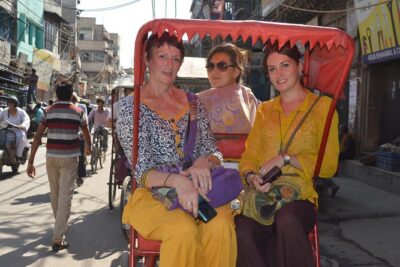
Old Delhi Food, Heritage&Cultural Walk with Rickshaw ride to Masterji Kee Haveli
Read our review →


New Delhi and Old Delhi Private Tour 4-8 Hours – Customizable
Read our review →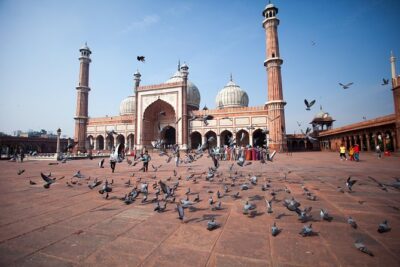
Old Delhi Street Food Tour – Explore Spices in Chandni Chowk
Read our review →
Browse the lists this tour appears in