

Reviewed · FOOD & DRINK
Munnar Tea Trail Tour , Tea factory visit & Tea Tasting
Munnar’s tea world is interesting because it is not just a photo stop. This tour mixes a tea plantation walking segment with time at the old Lockhart tea factory, then finishes with hands-on tasting. You get scenery, factory process, and a cup you can actually understand.
I especially like the tea plantation walk because your guide can point out more than tea bushes. In the best versions of the experience, you are also hearing about local plants, birds, and how the tea estate fits into life around it. It is a small window into how people work the hills here.
One drawback to consider is that the quality of the guidance during the walk can vary. In some cases, English support is limited, and the walk can feel more like being dropped off than truly guided. If you care a lot about detailed explanations while you walk, plan accordingly.
Key highlights you should care about

- Lockhart tea estate views: you can expect sights toward Chokramudi Peak and Idli hills.
- A real factory, built in 1936: you get to see how Orthodox tea is produced in a traditional way.
- Tea-making briefing before tasting: the factory includes an explanation of the process, history, and health benefits of tea.
- Tea blending plus tea tasting: you do more than sip, you get instruction on how tea is assessed.
- A small group (max 10): the tour is designed for a more personal experience than big-bus sightseeing.
- Active time in the tea plantations: the walking portion can run up to 2 to 3 hours through the Lockhart tea area.
Tea trail in Munnar: what this tour is really good for
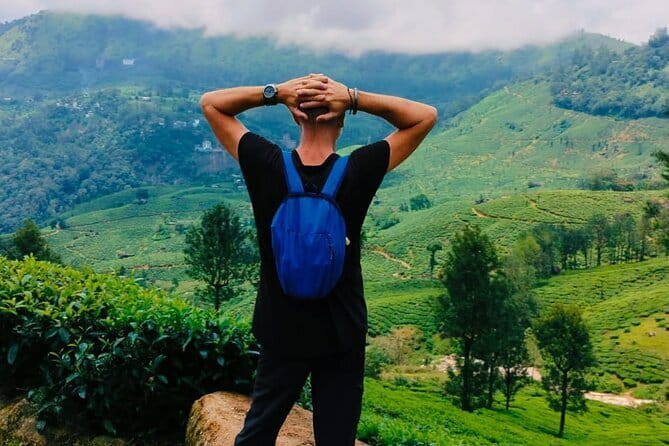
Munnar is famous for tea, but a lot of tea tours stop at a viewpoint and call it a day. This one is structured to give you the full story, starting with the fields where tea is grown and then moving to the machinery where tea becomes tea. If you like your travel experiences to have a beginning, middle, and end, this format works well.
The biggest win for me is the combination of walking and learning. You are not only seeing tea on a hill, you are also learning how it is processed into Orthodox tea. That makes the tasting part feel more meaningful, because you can connect flavor to steps in the factory process.
The other win is the tone of the experience. It is not an abstract lecture. You get a guide, you spend time with working tea culture, and you get a structured tasting and blending section. For a tour priced around $14 for about three hours, that is solid value.
Just keep one thing in mind: your enjoyment will depend on how well you click with the guide during the plantation walk. When the guide is strong, the walk feels lively and informative. When language support is weaker, you may still enjoy the views, but you will miss some of the context.
Line these Munnar options up side by side
- Munnar: Tea trail, Tea Factory, and Tea Tasting Tour
★ 4.9 · 47 reviews - The Great Indian Food Tour: Old Delhi Food and Heritage Walk
★ 5.0 · 1,698 reviews - Old Delhi Food, Heritage&Cultural Walk with Rickshaw ride to Masterji Kee Haveli
★ 5.0 · 742 reviews
Starting point at Rijo Villa and how to not waste time
The tour starts and ends back at Rijo Villa (Nature Glade Cottage), near the KSRTC bus stand on Amman temple street, behind Sree paravathi, in Moolakadai, Munnar. It is described as near public transportation, which matters in a town like Munnar where traffic and pickup timing can be unpredictable.
A practical move: arrive a bit early and be ready to match the group. Because the tour caps at 10 people, it tends to run smoothly when everyone is on time. If you are coming from a different part of town, give yourself breathing room so you do not end up standing around in the morning cold or afternoon mist.
Also note the tour uses a mobile ticket. That helps you keep things simple, as long as your phone battery is healthy. I always treat that as a small but real travel rule.
Lockhart Tea Tourism: walking the tea trails with Chokramudi and Idli hills in view
The walking segment is the heart of the “tea trail” part. You are going through the tea plantation walk on the Lockhart tea estate. The description says the walking portion can be up to 2 to 3 hours, which tells you this is not a quick stroll. It is a proper walk with time to notice details.
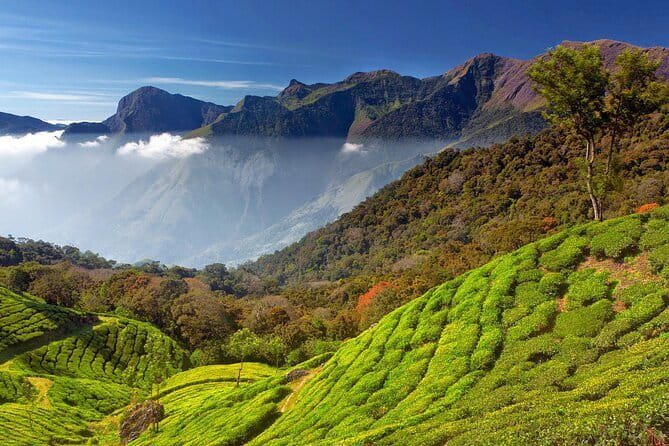
As you go, you should expect expansive views, including Chokramudi Peak and Idli hills. On a clear day, this is where the tour becomes memorable beyond the tea. The hills frame the fields, and you can see how tea is shaped into neat rows over the slopes.
What makes this section most enjoyable is the guide’s role. In the best-run versions, the guide does more than recite facts. They point out plants, birds, and even river features, and they explain how local workers live and work around the estate. That is the difference between just walking through greenery and understanding what you are looking at.
Here is the caution: one report describes an experience that felt like drop-off, then walking by yourself in a small tea field with little explanation. Another experience described a guide whose English was limited. Those are not typical of a well-run guided walk, but they are real enough that you should plan.
My advice if you care about the guided layer: before you go, make sure you are booking a service with strong English support for the plantation walk. If you speak limited English, bring a simple translation app and be ready with a couple of basic questions about tea farming.
The Lockhart tea factory visit: 1936 machinery and Orthodox tea, explained
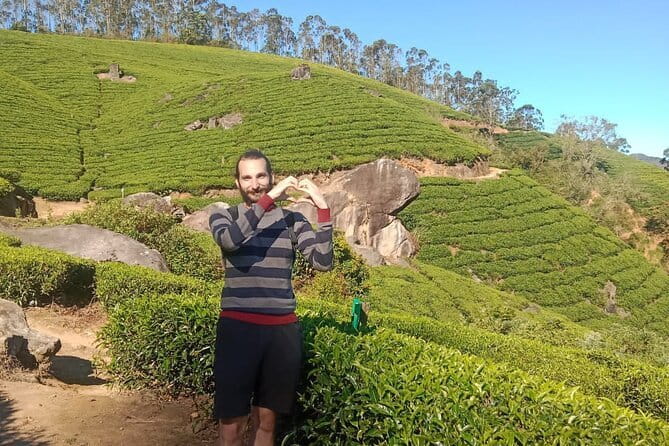
After the walk, you head to the tea factory visit section for about 1 hour. This is where the tour shifts from outdoors to process. And it is worth paying attention because this is the part you cannot fake with a souvenir.
Lockhart tea factory is described as famous for Orthodox tea production using traditional methods. It was built in 1936, and the machinery is described as ancient. Even if you do not know tea terms yet, seeing old equipment helps you understand that tea-making here is built on craft, not just quick industrial processing.
In the factory portion, visitors are given a briefing about:
- the tea making process
- the history of tea production
- health benefits of tea
That briefing is a key value point. Without it, a factory visit can feel like watching machines spin. With it, you start noticing the logic of each stage: how leaves change, how moisture and processing steps shape what ends up in your cup.
One thing I like about tours that include a factory briefing is that it gives you a mental checklist for the tasting later. When you get to the tasting session, you can connect flavor to handling and processing, instead of treating it as random luck or personal preference.
Also, the factory is where the tour is most forgiving if the plantation guide’s English is weaker. A factory briefing often relies on visuals, and the structure of the process is something you can follow even when some words are unclear.
A different shape of Munnar day:
- Munnar Tea Trail Tour with Factory Experience ( By Munnar Info)
★ 5.0 · 458 reviews - Mountain Hiking in Munnar (half day) By Munnar Info
★ 5.0 · 390 reviews - Anakulam Wild Elephant Village life tour ( By Munnar Info)
★ 5.0 · 344 reviews - Half day trekking (munnar valley Trekking & Tours )
★ 5.0 · 310 reviews
Tea tasting and blending: more than one cup, a structured way to learn
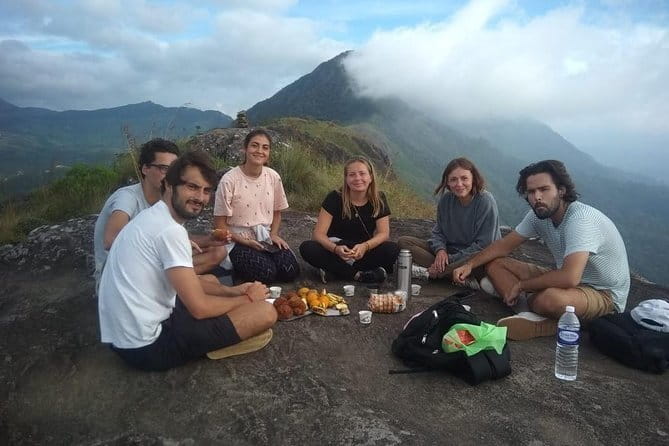
The last major component is tea tasting. This is not just drinking. You get a program built around training in how tea is blended and how tea is tasted.
The tour describes the tasting training as designed by their team with modules tuned over time. It includes:
- a Tea Blending Course
- a Tea Tasting Course
It also says the program has 9 levels, framed to gradually increase the depth of what you learn. Even if you are only there for part of the experience, the idea matters: you are not only handed a cup, you are guided toward noticing aroma, character, and differences.
It helps to know the basics they teach. The overview explains that tea comes from Camellia sinensis, and it is cultivated from origins between India and China. That short context can make your tasting feel like you are sampling a plant with a family story, not just “tea.”
Then there is the local framing. In the local language, the tour notes that chai is one of the most widely drunk beverages in the world. That may sound like a general fact, but I like it because it sets a cultural expectation: tea is part of daily life here, not only a tourist activity.
Practical takeaway for you: go into tasting ready to slow down. Taste through your own senses before thinking about what you “should” like. The blending and tasting structure is designed to help you learn, but you still have to do the sensory work.
Price and value: is $14 enough for this much tea?
At about $14 for roughly 3 hours, the value is strong on paper. Here is what you are paying for, in plain terms:
- time in the Lockhart tea estate with a guided walking component
- an approximately 1-hour factory visit at a historic Lockhart facility (1936) with Orthodox tea focus
- a tea blending and tea tasting session
- a small group size, capped at 10 travelers
- a mobile ticket and a local guide setup
You are also getting something hard to replace cheaply: access to the factory experience plus structured tasting instruction. If you tried to replicate this solo, you would still need transport, a guide, and then a tasting arrangement.
So does the price reflect the experience? Usually yes. The one thing that can affect perceived value is the quality of the plantation walk guidance. When the guide is strong, you feel like you got a lot. When English is limited, you still get factory and tasting, but the walk portion might feel thinner than you expected.
That is why I think $14 is fair if your priority is the factory plus tasting, and it is an extra bonus if you want deep explanations during the walk.
Timing, walking comfort, and what to expect on the ground

This is an active tour. The walking portion is described as lasting up to 2 to 3 hours through the Lockhart tea estate, with a total duration listed as around 3 hours. That means you should expect a schedule that leaves less time for loitering and more time for steady walking.
Comfort advice that is actually useful here:
- Wear shoes that handle uneven, possibly wet ground. Tea estates are hills and paths, not smooth pavement.
- Bring a light layer even in warm months because higher elevations can feel cooler.
- If weather turns, the tour may be affected since the experience requires good weather.
Also, the group size is small (max 10). That helps with pacing. It is easier for your guide to stop, explain, and regroup without turning the tour into a race.
Who this tour suits best in Munnar
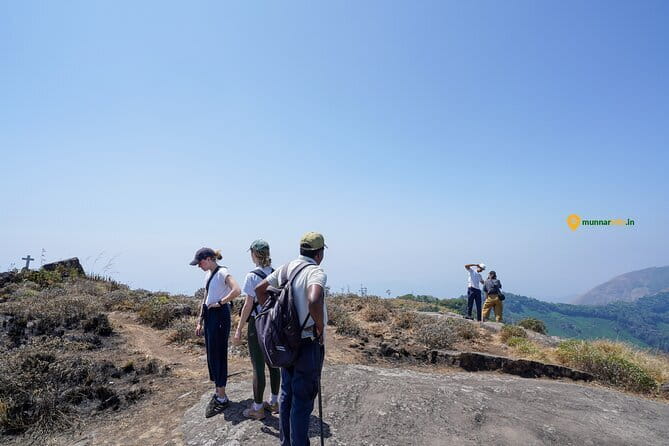
This works especially well if you:
- want tea beyond a viewpoint, including a factory visit and tasting
- like hands-on learning, like blending and tasting instruction
- enjoy guided walks through working farmland
- prefer a small-group experience over big group tours
If you dislike walking, this is the one part to think about. The tea trail portion can be long enough that your legs will feel it. If you are traveling with limited mobility, you might find the walk challenging, since the tour format is designed around plantation walking.
If you are picky about language, keep your expectations flexible. One downside reported is that the plantation guide may not speak English well, and in one case the experience seemed more like being dropped off than truly guided. That does not mean every departure is like that, but it is enough to treat English quality as a factor.
Should you book the Munnar Tea Trail Tour with factory visit and tasting?
I would book this if you want a compact but complete tea experience: plantation time, a one-hour look at Orthodox tea production in a historic Lockhart factory, and a tasting plus blending session with structured learning.
I would think twice if you mainly want a relaxed walk with lots of interpretation in your language, because the strength of the plantation guiding can vary. If you are okay with that risk, the factory and tasting sections are still likely to be the highlight.
My decision rule: book it if your goal is to leave Munnar with a clearer sense of how tea is grown, processed, and tasted. Skip it if you want purely scenic sightseeing with minimal walking and maximum explanation consistency.
FAQ
How long is the Munnar Tea Trail tour?
The tour duration is approximately 3 hours.
How much does it cost?
The price listed is $14.
Where does the tour start and end?
It starts at Rijo Villa (Nature Glade Cottage) near the KSRTC bus stand, Amman temple street, behind Sree paravathi, Moolakadai, Munnar, Kerala 685612, India. It ends back at the same meeting point.
What happens during the tea plantation part?
You do a tea plantation walk on the Lockhart tea estate. It is described as a walk for a few hours, with a maximum of 2 to 3 hours.
How long is the tea factory visit?
The tea factory visit is described as lasting 1 hour.
What kind of tea does the Lockhart tea factory specialize in?
The Lockhart tea factory is described as famous for Orthodox tea production in the traditional way.
Do you get tea tasting and blending during the tour?
Yes. The tour includes a tea tasting section and a tea blending course, along with a tea tasting course. The program is described as having 9 levels.
How many people are on the tour?
The tour/activity has a maximum of 10 travelers.
Is a mobile ticket provided?
Yes, the tour includes a mobile ticket.
What if the weather is poor?
The experience requires good weather. If it is canceled due to poor weather, you will be offered a different date or a full refund.
What is the cancellation policy?
There is free cancellation. You can cancel up to 24 hours in advance for a full refund, and cancellations within 24 hours are not refunded.
Latest reviews in from Munnar
- Top station tour (munnar valley Trekking & Tours)★ 5.0 · 17 reviews
- WE COOKS- Home Cooking Class in Munnar★ 5.0 · 18 reviews
- 2 Nights Munnar Treehouse Escape with Private Car- Iris Holidays★ 5.0 · 20 reviews
- Fullday Trekking in munnar (munnar valley Trekking & Tours)★ 5.0 · 20 reviews
- Munnar Site-seeing Tour★ 5.0 · 21 reviews
- Chinnar wild valley experience day tour ( By Munnar Info)★ 4.5 · 23 reviews
- Medium Hard Trekking (munnar valley Trekking & Tours )★ 5.0 · 41 reviews
- half day trekking★ 5.0 · 44 reviews
Food & Drink, compared.

The Great Indian Food Tour: Old Delhi Food and Heritage Walk
Read our review →
Old Delhi Food, Heritage&Cultural Walk with Rickshaw ride to Masterji Kee Haveli
Read our review →


Feni and Tapas – Food Trail with Tastings & Drinks by Make It Happen
Read our review →
Delhi Food Walk: Rickshaw Ride, Street Eats & Market Tour
Read our review →
Old Delhi Street Food Tour – Explore Spices in Chandni Chowk
Read our review →
Bengali Nights Kolkata Food Tour with 13+ Tastings
Read our review →Browse the lists this tour appears in