
Reviewed · TEMPLE TOURS
Mumbai Markets and Temples Tour
This tour is interesting because it strings together three very different sides of Mumbai in one smooth afternoon loop: market life, Hindu devotion, and real animal care. I especially like how Crawford Market turns into an eye-opener for everyday buying and selling, and how Bombay Panjrapole adds a humane, faith-based stop that feels meaningful, not touristy.
You get a local English-speaking guide and a chance to ask questions while you walk through busy lanes. One consideration: this is a walking tour through crowded market streets, so if you want lots of time to browse slowly, you may feel the pace a bit.
Key highlights worth your attention
- A tight 2.5-hour loop that links two markets, Mumbadevi Temple, and a cow sanctuary without dragging all day
- Crawford Market’s big-city market architecture from the late 1800s, with classic Gothic-Romanesque styling
- Mangaldas Market textiles for weddings and festivals where fabrics and tailoring are the main event
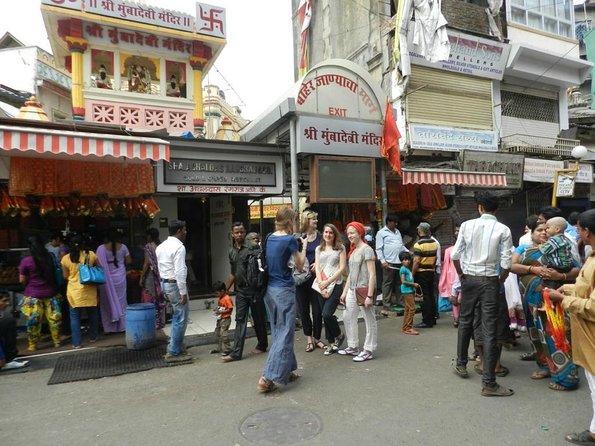
- Mumbadevi Temple prasad and simple Hinduism context as you watch devotion up close
- Bombay Panjrapole and its 350+ cows cared for in the heart of South Mumbai
- Guides who keep you oriented and safe, with several guides like Sabina, Nilesh, and Biju frequently praised for clear explanations
A 2.5-hour South Mumbai stroll that mixes shopping, worship, and animal care
This is a guided walk through South Mumbai where shopping is not a side activity, it is the center of the scene. You start with a proper market sensory hit, then shift to temple life, and finally end at a sanctuary where people show up to care for cows that hold deep meaning in Hindu culture.
What I like about that mix is how it helps you read the city. Markets explain how people live and plan. Temples explain why routines and beliefs matter. And the cow sanctuary adds a humane thread that makes the whole afternoon feel more grounded than a typical checklist tour.
The format is also practical. You have a group size capped at 25, a local guide who speaks English, and a schedule that is short enough to fit into a travel day without stealing your whole evening.
More Temple Tours in Mumbai
- Private Guided Spiritual Walk in Banganga Hindu Temples
★ 5.0 · 271 reviews - Mumbai: Kanheri Caves and The Golden Pagoda Temple
★ 4.7 · 108 reviews - Sanjay Gandhi National Park(SGNP) + Kenheri Caves + Lion Safari + Jain Temple
★ 5.0 · 88 reviews
Meeting at Regal Cinema, finishing near Charni Road, and why 3:30 pm works
The tour starts at 3:30 pm at Regal Cinema, Colaba Causeway, opposite Chhatrapati Shivaji Maharaj Vastu Sangrahalaya. It ends at Charni Road Railway Station in Girgaon.
That matters because you are not stuck doing the same backtrack route. You start in Colaba, then work your way toward Charni Road, which is a helpful end point if you plan to keep exploring after the tour.
Late afternoon timing can also make a difference in heat and energy. You are walking through places that attract constant crowds, so having a set window helps you avoid the worst times when you might feel overly rushed or overly drained.
Crawford Market: Gothic and Romanesque market life, plus a real warning
Crawford Market is your first stop, and it is a strong one. The building dates to 1871 and is known for Gothic and Romanesque features, a look that makes this wholesale market feel bigger than the usual street stalls you might expect.
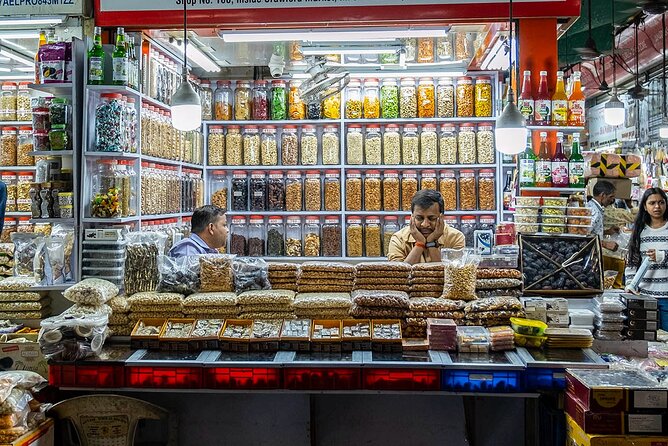
Here you will see displays of vegetables, meats, imported cheeses, homemade chocolates, and household goods. It is a great place to learn how a city feeds itself and stocks daily life, because you are not only seeing one kind of product. You see the whole supply chain vibe in one place.
Two practical notes:
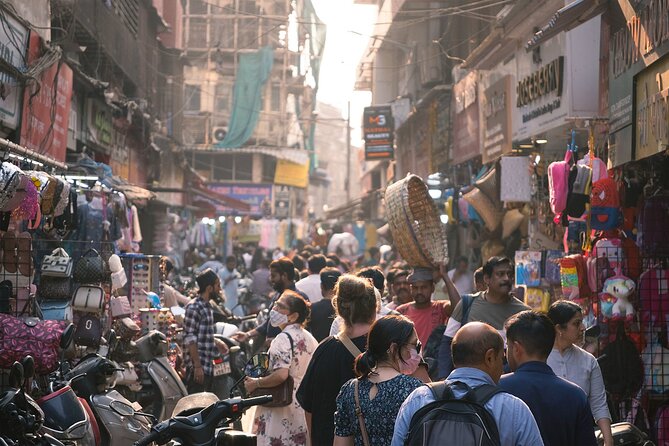
- Be ready for sensory overload. The place is packed, and sales activity is constant. Your guide helps you move through without getting lost.
- Animal product caution. Crawford Market is also a market where some endangered and exotic animals are sold. If that is something you do not want to see, tell your guide right away and keep your attention on the produce and food areas as you walk.
If you want to shop, this is where you can do it with the least guesswork. You will understand what is sold there and what kind of items locals actually come for, not just what looks decorative.
Mangaldas Market textiles: where fabrics for weddings and Diwali are the point
After Crawford, you head to Mangaldas Market, which opened in 1893. This is an indoor wholesale textile market, and its purpose is clear as soon as you walk in: cloth, fabrics, and tailoring materials.
Mangaldas is known for:
- Hundreds of clothing vendors and tailors
- Fabrics purchased for weddings and Diwali
- How fashion designers buy cloth here for their creations
For you, the value of this stop is not only that you see textiles. It is that you see textiles in the context of Indian celebrations. If you have ever wondered why certain outfits and fabrics matter so much, this is the place where that connection becomes visible.
A small tip: come in with the mindset of browsing and learning, not just buying. Fabrics can be surprisingly hard to compare without context, and your guide is useful for pointing out what you are looking at and why people choose certain materials for special events.
A different shape of Mumbai day:
- Dharavi slum tour in Mumbai by Female tour guides of the slum
★ 5.0 · 1,976 reviews - Mumbai: Full-Day Sightseeing Tour of Mumbai
★ 4.9 · 1,822 reviews - Private Mumbai Sightseeing Tour (Traveller’s Choice Award Winner)
★ 5.0 · 1,565 reviews - Elephanta Caves & Island Guided Private Tour
★ 5.0 · 1,327 reviews
Mumbadevi Temple: a calm break with context and prasad
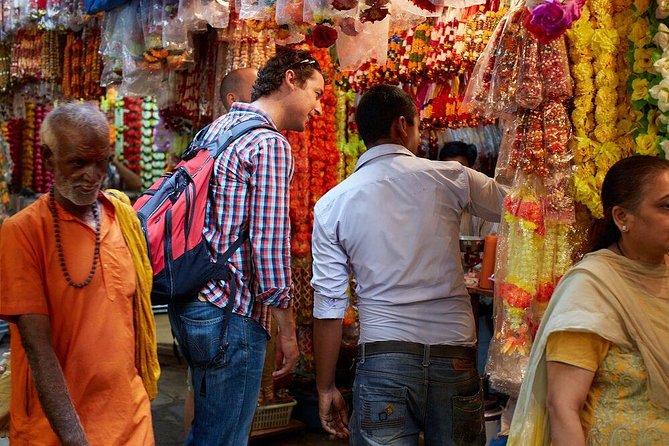
Then the route shifts gears. You pause shopping momentum and enter Mumba Devi Temple, the historic temple that the city’s name is connected to.
This is not just a photo stop. Inside, you might see devotees being blessed by Hindu priests, and your guide will explain basic Hinduism so you can connect what you are seeing to what it means.
If you are up for it, you can receive prasad. That is one of those small “you are participating, not just watching” moments that can make the temple visit feel real in a good way.
Practical guidance here is mostly about respect. Dress is conservative throughout India, and this stop is a good reminder to keep your clothing modest, covering shoulders and knees. Also, keep your pace quiet. Temples move slower by nature, and your best move is to let the space set the tempo.
Bombay Panjrapole: how devotees care for 350+ cows in the city
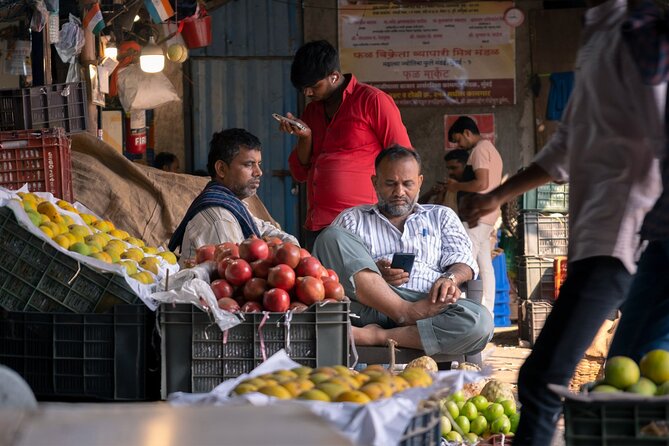
Your final major stop is Bombay Panjrapole, an animal shelter that cares for more than 350 cows. The cow is sacred to Hindus, and the shelter exists for welfare of these animals while keeping that religious and cultural relationship visible.
The experience is short, about 20 minutes, so you want to focus on what is in front of you. Notice the care aspect, the way people interact respectfully, and the reason devotees come to the shelter in the first place, which your guide should explain.
One small caution and one hopeful detail:
- Be prepared for the emotional weight of seeing animals in need of care. This is real animal welfare, not a staged attraction.
- You may get a chance to interact with the cows if it is allowed on the day, and some guides have been known to arrange moments like feeding when conditions permit.
Either way, this stop adds a strong “why Mumbai works the way it does” thread. It is one of the best examples of how faith can connect to everyday compassion.
Price and value: what $27.97 covers, and what you need to plan for
At $27.97 per person, this tour is priced like an efficient half-afternoon add-on. It is not a full-day experience, so you pay for structure, guidance, and access to multiple key places without spending time figuring out routes on foot.
What is included:
- A local English-speaking guide
- Water or a cold drink
- The tour uses a mobile ticket
What is not included:
- Food
- Hotel pickup or drop-off
There is also a social value angle built into the operation. A significant portion of proceeds from the local operator goes back into the local community to support education projects. You are not just paying for walking directions.
Is it good value? If you like street-level travel and want practical context, yes. For anyone who would otherwise wander into one market and miss the meaning of the others, the guided sequence pays you back quickly. For anyone who prefers slow museum time and quiet, calm stops, you might find the market intensity takes away from the experience.
What the guide role really does on this route
This tour succeeds or fails on pacing and street smarts. The best guides help you keep your bearings while you move through crowded areas, and they know how to manage the moments when strangers try to push you around.
In guide stories connected to this tour, people like Sabina, Nilesh, and Biju are often praised for making the group feel safe and comfortable, and for giving explanations that turn random sights into something you understand. Some guides also adjust for slower walkers, which matters because South Mumbai sidewalks can be chaotic.
Practical ways to work with your guide:
- Tell them what you want most, food focus, fabric focus, or temple/cow focus.
- Ask questions early. The city context makes the rest of the walk easier to enjoy.
- If you do not want any parts of the market that could feel uncomfortable, be direct. Guides can steer you away in a respectful way.
Tips to make the most of crowded markets without losing your patience
Markets are where your travel instincts get tested. You will have to share space, and you will likely encounter persistent selling energy. Here are the habits that help most people enjoy this tour:
- Wear comfortable shoes. You are walking continuously between stops.
- Keep your phone secure and your bags close. Crowds make it easier for distractions.
- Bring a small water plan. You get water or a cold drink, but markets dry you out fast.
- Dress conservatively for the temple stop, covering shoulders and knees.
- Use the guide for buying. Even a short conversation can prevent you from buying something you later regret.
If you are the kind of traveler who likes to see how local people shop and what they prioritize, you will get more satisfaction from this tour. If you mainly want curated souvenir shopping, you may feel the markets are too real for that.
Who should book this tour, and who should skip it?
This works best for:
- You want a guided walk through real shopping areas, not a sanitized version
- You like temples that come with context, not just a quick look at buildings
- You care about animal welfare and want to see a sanctuary that connects with local faith
- You are comfortable with crowds for a couple of hours
You might skip it if:
- You hate market noise, constant movement, and sales attention
- You want lots of free time to browse and negotiate at a slower tempo
- You strongly prefer sightseeing without any chance of seeing animal-related commerce, especially at Crawford Market
Should you book this Mumbai Markets and Temples Tour?
I think this is a smart booking if you want value through guidance. At just over two hours, you get four distinct stops, plus a guide who helps you understand what you are seeing. The cow sanctuary is the kind of final stop that can change how you remember the afternoon, because it connects city life, religion, and care in a direct way.
My call: book it if you are ready for sensory intensity and you want to learn by walking. Skip it only if you know markets will stress you out, or if animal-related trading at Crawford Market is a hard no for you.
FAQ
What is the duration of the Mumbai Markets and Temples Tour?
The tour lasts about 2 hours 15 minutes.
Where do I meet the guide, and where does the tour end?
You meet at Regal Cinema, Colaba Causeway (opposite Chhatrapati Shivaji Maharaj Vastu Sangrahalaya). The tour ends at Charni Road Railway Station, Girgaon.
What time does the tour start?
The start time is 3:30 pm.
What is included in the price?
The tour includes a local English-speaking guide and water or a cold drink, and it uses a mobile ticket. Food and pickup or drop-off are not included.
Is there an admission fee for the stops?
The tour information lists admission ticket as free for Crawford Market, Mangaldas Market, Mumba Devi Temple, and Bombay Panjrapole.
How big is the group?
The tour has a maximum of 25 travelers.
Latest reviews in from Mumbai
- Mumbai Spice Markets and Bazaars Tour with Guide and Transport★ 5.0 · 42 reviews
- Mumbai Dharavi Slum, Dhobi Ghat & Dabbawala Lunchbox Tour★ 5.0 · 43 reviews
- Private Dharavi Slum Tour with Mumbai Sightseeing★ 5.0 · 43 reviews
- Private Guided Tour in Kanheri Cave with Transfers★ 5.0 · 44 reviews
- Private Guided Walking Tour in Dharavi Slums★ 5.0 · 44 reviews
- Bollywood Tour with Original founder★ 4.5 · 44 reviews
- Mumbai Private Cultural Tour with Lunch and Transport★ 5.0 · 44 reviews
- Unveiling Bollywood: Grand Tour of Iconic Real Sets & Their Story★ 4.5 · 44 reviews
Temple Tours, compared.

Best of Mysore, UNESCO Somnathpur Temple & Srirangapatna Day Tour
Read our review →
Old Delhi Food-Spice Market-Temples Tour Soon Featured on NETFLIX
Read our review →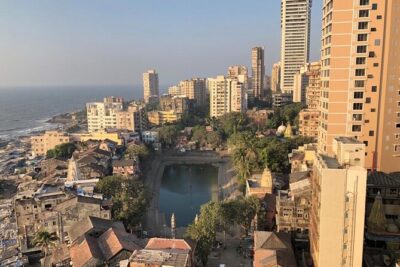
Private Guided Spiritual Walk in Banganga Hindu Temples
Read our review →
Taj Mahal Sunrise with Lord Shiva Temple:- All Inclusive
Read our review →
Private Delhi Temples and Spiritual Sites 6 Hours Tour
Read our review →

Jaipur Tuk Tuk Sightseeing Tour with Monkey Temple Sunset View
Read our review →
Full Day Varanasi Private Tour with Temples, Ghats & Rituals
Read our review →Browse the lists this tour appears in