
Reviewed · ANDAMAN ISLANDS TOURS
Exploring the Skies with Newtonian Telescope
Stargazing in the Andaman Islands is interesting because the sky can be crystal clear, and you get to pair naked-eye wonder with real telescope views. I like how the experience starts with constellations you can spot on your own, then shifts into what the Newtonian telescope can show. I also love the practical, hands-on feel of seeing planets like Saturn and Jupiter up close. One possible drawback to plan for is comfort, since the session can feel long and some people ask for extra seating for star-gazing.
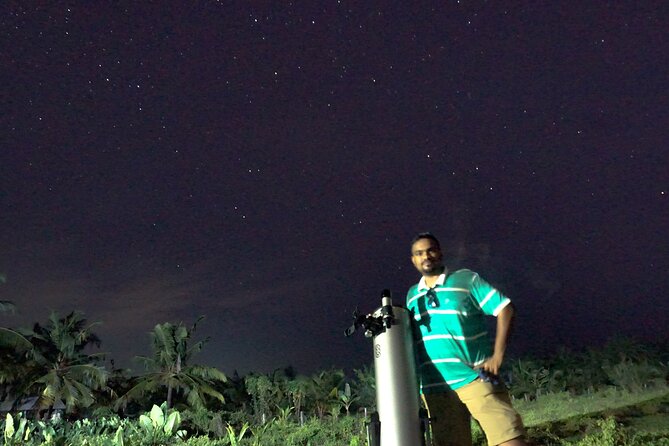
You’ll meet at SeaShell in Swaraj Dweep, and then walk about 500 meters to a darker spot where street light pollution is lower. The guide is often Aditya, who comes across as warm, welcoming, and ready to explain things in a way that keeps first-timers engaged. Small groups help too, with a maximum of 15 people, so you are not stuck in a giant crowd while the sky does its best work.
Newtonian Telescope Night in Havelock: What You Are Really Buying
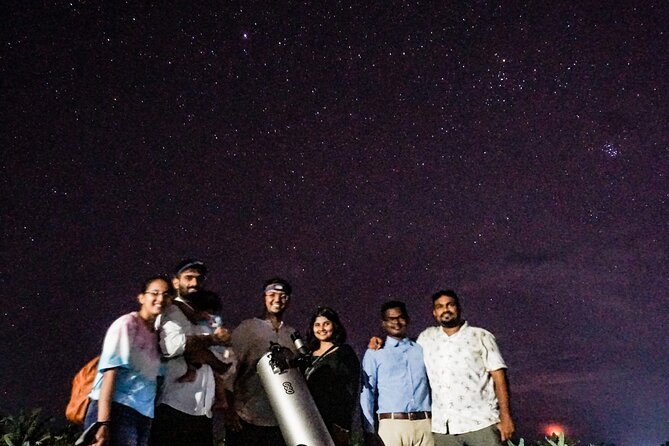
This is not just a generic “look up at stars” outing. You are paying for a guided night-sky session that mixes three things:
1) A quick setup with the telescope and how to use it
2) Naked-eye observing so you build confidence fast
3) Telescope time focused on bright, rewarding objects
That matters in the Andamans because the sky does not stay put. If clouds roll in or conditions are not right, you do not get a great show. The tour is very clear that it needs good weather, and that is a big part of the experience value.
At $33.71 per person for about 1 hour 30 minutes (approx.), you are basically buying access to a guided session plus telescope viewing in a low-light area. For many people, the payoff is simple: you came for beaches, and you leave thinking about Saturn’s rings and Jupiter’s details long after the sand is washed off.
Where the Session Starts and Why the 500-Meter Walk Helps
You will start at the meeting point in Swaraj Dweep at SeaShell, Havelock No-02, Beach, Govind Nagar, Havelock Island, Andaman and Nicobar Islands 744211, India. From there, the activity begins around 500 meters away from that meeting point.
That short move is not a random detail. Light pollution is the enemy of faint stars and delicate viewing. Even a small shift away from the main street can make it easier to pick out patterns with your own eyes before the telescope shows its tricks.
Then you go back to the same meeting point when the session ends. It is a clean loop, no complicated back-and-forth, and it is easier to plan the rest of your evening in Havelock.
Line these Andaman Islands options up side by side
- Experience Andamans® – 6 Days Andaman Tour Package with Havelock & Neil
★ 4.5 · 570 reviews - Experience Andamans® – Andaman Honeymoon Package
★ 5.0 · 201 reviews - Scuba Diving For Non Swimmers at Havelock Island
★ 5.0 · 97 reviews
The 8 PM Window and What It Means for Planning Your Night
The session runs Monday to Sunday, 8:00 PM to 10:00 PM. In practice, that timing helps because most people are done with dinner and ready for an activity that feels different from scuba and snorkel.
It is also a time slot where you can get into the right “night mode” mentally. You are not trying to learn astronomy while the sun is still around. You are just settling in, letting your eyes adjust, and listening while your guide points out what matters.
Mobile tickets are used, and you should receive confirmation at booking time. The activity has a maximum group size of 15, which is a plus if you want to ask questions and not feel lost in a line.
The Flow: Telescope Intro, Constellations, Then Saturn and Jupiter
This tour works like a simple lesson that keeps switching gears.
Step one: The telescope gets explained
The session begins with a description of the telescope. That sounds basic, but it helps you understand what you are looking at and what to expect when you finally get your turn.
A Newtonian telescope is designed for views that can feel surprisingly crisp for a night-sky session. You do not need to know optics. You just need to know how the guide wants you to look.
A different shape of Andaman Islands day:
- Marine Trail
★ 5.0 · 93 reviews - Ancient Lava Stream Trek through dense Tropical forest.
★ 5.0 · 58 reviews - Baratang Island LimeStone Caves
★ 5.0 · 40 reviews - Boat Scuba Diving at Neil Island
★ 5.0 · 26 reviews
Step two: Naked-eye constellation spotting
Before you peer through the telescope, you get the chance to observe constellations with your naked eye. This is one of the most praised parts of the experience because it builds momentum.
You start recognizing patterns in the sky, and then the telescope fills in the details. It is the best way to avoid feeling like you are being shown a few random dots without context.
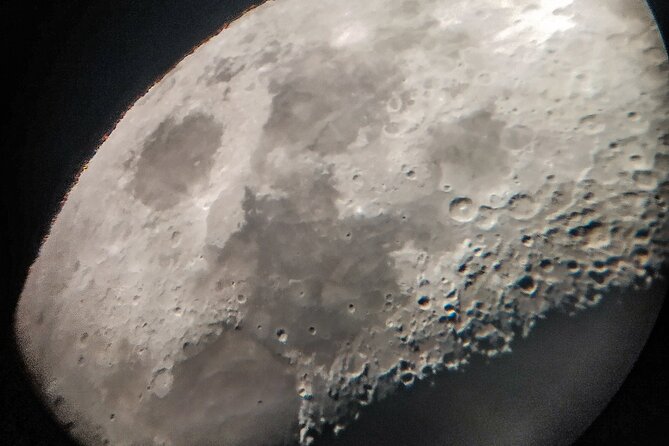
You also get basic storytelling and explanations designed for beginners. One highlight from the learning moments shared in the experience is understanding why you only see one face of the Moon, plus how stars were used in navigation. That kind of context makes the sky feel less like a big picture and more like a map.
Step three: Telescope viewing of standout objects
Then comes the moment you actually booked for.
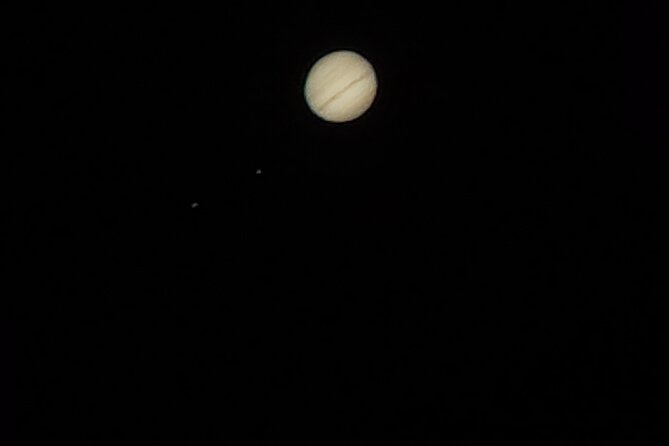
You observe objects through the telescope, including planets like Saturn and Jupiter. People specifically call out the chance to see Saturn’s rings and Jupiter and its cosmic details, along with other patterns visible at the time.
This is also where the guide’s narration matters. Looking through a scope is mostly focusing. Understanding what you are seeing is the part that sticks. Guides in this session style use storytelling to connect what is visible in the moment to why it matters.
Step four: Discussion while you keep looking
The session does not end the instant you see a planet. It continues with basic discussions about what is observable in the skies that night. This keeps you from feeling rushed, and it helps first-timers ask questions while the sky is still fresh.
Aditya and the Storytelling Style That Wins People Over
The name that comes up again and again is Aditya. People describe him as warm and welcoming, with strong knowledge and a fun way of sharing it.
That combination is rare. Some people are good at facts but not at energy. Others are energetic but not very accurate. The sessions here seem to find a middle ground: friendly pacing, clear explanations, and a focus on beginners who might not know a single constellation.
There is also mention of a host named Harshal in one experience where the explanations were praised for being detailed. So if you are hoping for someone who talks through what you are seeing, your odds look good.
One practical takeaway: if you want to learn, choose this session when you can actually pay attention. If you are mentally half-checked out, astronomy can feel like a lot of waiting.
Best Objects to Expect, Even If You Are New to Astronomy
You do not need a star app or any special skill. The session is built for people who are intrigued by the universe but starting from zero.
Based on what has been shared, here are the most likely “wow” targets:
- Saturn, including views of its rings
- Jupiter, including viewing the planet and features you can see through the telescope
- Constellations, shown first with your own eyes
- Basic astronomy explanations, like why the Moon’s face is familiar the way it is
- Simple navigation and science stories tied to what you can observe
Because the sky changes nightly, your exact targets can shift. But the structure is the same: constellations first, telescope second, planets when conditions allow.
What About Comfort and Group Dynamics
Two practical issues show up for night-sky sessions, and this one is no exception.
First, comfort. Since the session lasts long enough to make people request chair options, plan to be patient. If you are sensitive to sitting outdoors, consider bringing or asking for anything that helps you stay comfortable. Some people suggested arranging recliner-style seating, so it is a reasonable thing to request.
Second, group vibe. This is a small group experience, maximum 15 people, which helps. Still, it can include families and mixed ages. If you know you are most comfortable in a quiet, attention-focused environment, you might want to check that your group is a match for your style.
The good news is that the activity is set up for beginners, so you should not feel singled out if you ask basic questions.
Price, Value, and Why It Feels Worth It Here
Let’s talk value without fluff.
For $33.71, you are not paying just for a telescope. You are paying for:
- A guide who explains what you see, rather than letting you struggle alone
- A low-light viewing spot reached by a short walk away from the main street
- A structured flow that covers both naked-eye constellations and telescope views
- A small group size so the guide can keep the experience moving smoothly
If you compare it to the cost of doing a tour where you only get one short stop, this one tends to feel more “useful.” You learn things while you are looking, and that turns a one-time outing into a memory with meaning.
Also, Havelock has plenty of water activities. This is different in a way that feels special because the atmosphere of night sky viewing is its own kind of adventure.
Weather Matters, and That Can Cut Both Ways
This tour requires good weather. That is not a technicality, it is the core ingredient. Clear skies are what make planets pop and constellations readable.
If it gets canceled due to poor weather, you are offered a different date or a full refund. That flexibility is important. Stargazing is one of those experiences where the outdoors can win, even when you plan carefully.
Still, there is also a real-world consideration. If you are on a tight schedule, a rescheduled night can be inconvenient. If you have enough buffer days in Havelock, you give yourself a better shot at catching clear conditions.
Who Should Book This Telescope Session?
You should strongly consider booking if:
- You want something that is not scuba or snorkel
- You are curious about astronomy but feel intimidated by technical stuff
- You like guided explanations and stories, not just a look-and-go photo stop
- You enjoy small-group experiences where you can ask questions
You might think twice if:
- You have low tolerance for outdoor evening sitting, and you do not like to plan for comfort
- You need a super quiet, adult-only vibe
- Your schedule is so tight that a weather-related shift would ruin your plans
Should You Book This Night-Sky Telescope Session?
I think you should book it if you want a meaningful “Havelock at night” moment. The combination of naked-eye constellations, structured telescope viewing, and a guide like Aditya who can make the science fun is exactly what turns this from a novelty into a real experience.
If you are deciding between this and another evening activity, I would pick the telescope session when the sky can be clear. It is a different kind of return on time. You get views plus learning, and you leave with a few astronomy facts you actually remember.
If you are prone to discomfort sitting outdoors, plan ahead. If you are flexible with dates, your odds improve. And if you are new to stargazing, this is one of the kinder ways to start.
FAQ
What time does the stargazing session run in Havelock?
It runs daily from Monday to Sunday between 8:00 PM and 10:00 PM.
Where do I meet for the Newtonian telescope session?
The meeting point is SeaShell, Havelock No-02, Swaraj Dweep, Beach, Govind Nagar, Havelock Island, Andaman and Nicobar Islands 744211, India.
How long is the experience?
The duration is about 1 hour 30 minutes (approx.).
Is this session suitable for beginners?
Yes. It is a beginner-level activity targeted at people who are intrigued by the universe and want to learn basic sky observations.
What can I expect to see through the telescope?
You can expect telescope observations of celestial objects, including planets like Saturn and Jupiter, and you will also observe constellations with the naked eye.
Does the tour depend on weather?
Yes. The experience requires good weather. If it is canceled due to poor weather, you will be offered a different date or a full refund.
How big is the group?
The activity has a maximum of 15 travelers.
What cancellation options do I have?
You can cancel for a full refund if you cancel up to 24 hours in advance of the experience start time. If you cancel less than 24 hours before, the amount paid is not refunded. Cut-off times use the local time of the experience.
Latest reviews in from Andaman Islands
- Hinterland Cycling Tour, Havelock★ 4.5 · 17 reviews
- Boat Scuba Diving at Neil Island★ 5.0 · 26 reviews
- Baratang Island LimeStone Caves★ 5.0 · 40 reviews
- Scuba Diving For Non Swimmers at Havelock Island★ 5.0 · 97 reviews
- Experience Andamans® – Andaman Honeymoon Package★ 5.0 · 201 reviews
- Ancient Lava Stream Trek through dense Tropical forest.★ 5.0 · 58 reviews
- Marine Trail★ 5.0 · 93 reviews
- Experience Andamans® – 6 Days Andaman Tour Package with Havelock & Neil★ 4.5 · 570 reviews
Andaman Islands Tours, compared.

Experience Andamans® – 6 Days Andaman Tour Package with Havelock & Neil
Read our review →
Experience Andamans® – Andaman Honeymoon Package
Read our review →Scuba Diving For Non Swimmers at Havelock Island
Read our review →

Ancient Lava Stream Trek through dense Tropical forest.
Read our review →


Browse the lists this tour appears in