
Reviewed · TAJ MAHAL TOURS
Delhi: Sunrise Taj Mahal & Elephant SOS Tour with Transfers
A sunrise Taj Mahal day feels special for one reason only, the light. When you pair that early entry with Wildlife SOS elephant conservation in the same trip, you get a trip that is both breathtaking and meaningful. I love the pre-dawn structure, it saves you from the chaos. I also love that you get a real guided walk through the Mughal icons, not just a dropped-off photo session.
The main drawback is the pace. This is a long day with an extremely early pickup, and weather (fog or rain) can blunt the sunrise moment. Also, time inside monuments can feel tight if you expect a slow, linger-everywhere visit.
Key Points Worth Knowing
- Skip-the-line Taj Mahal entry through a separate entrance, plus a guided circuit that helps you see the right parts first
- Pre-dawn pickup options (including 2:00 AM and 2:30 AM) for the sunrise version, and a clear reminder about Friday closures
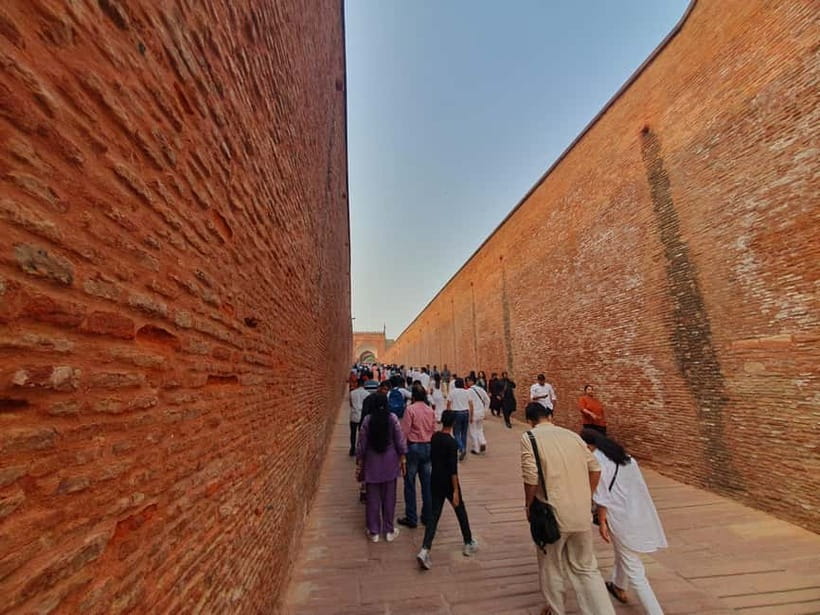
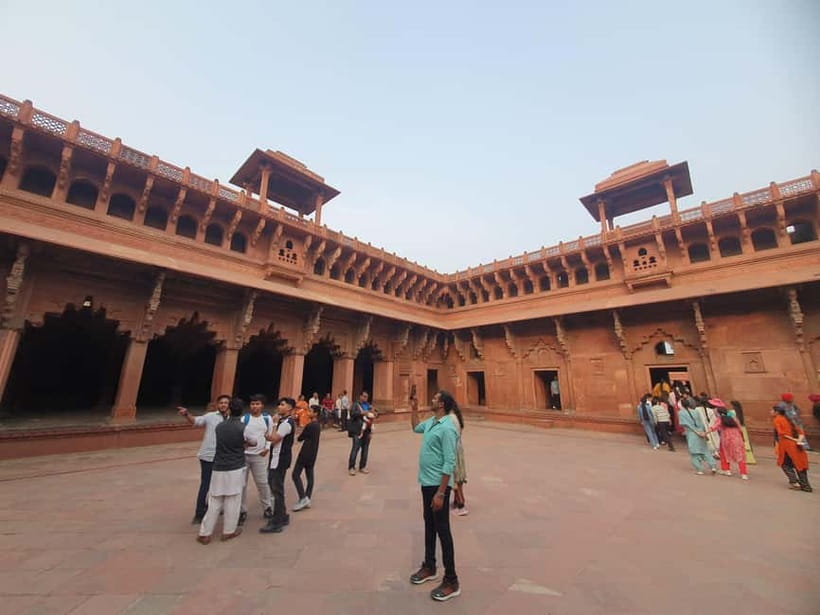
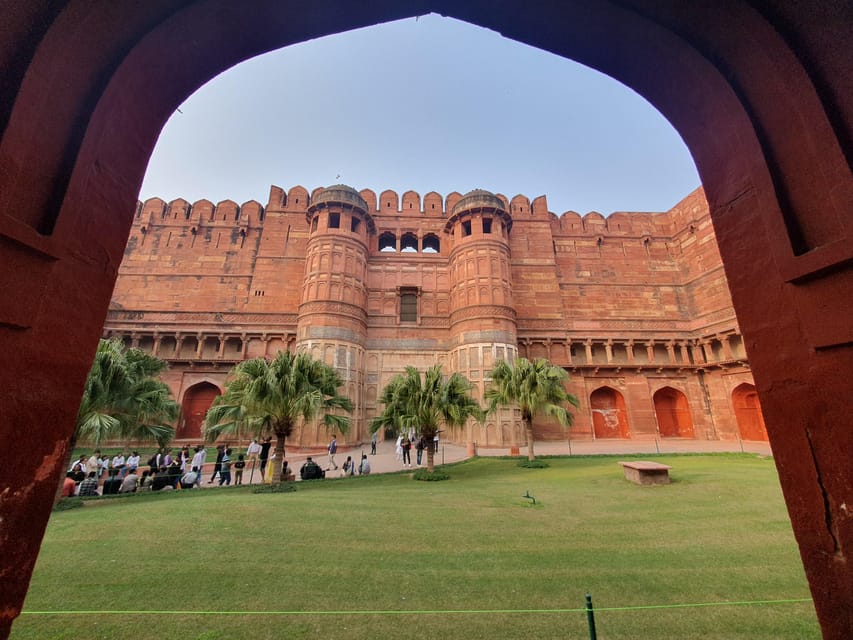
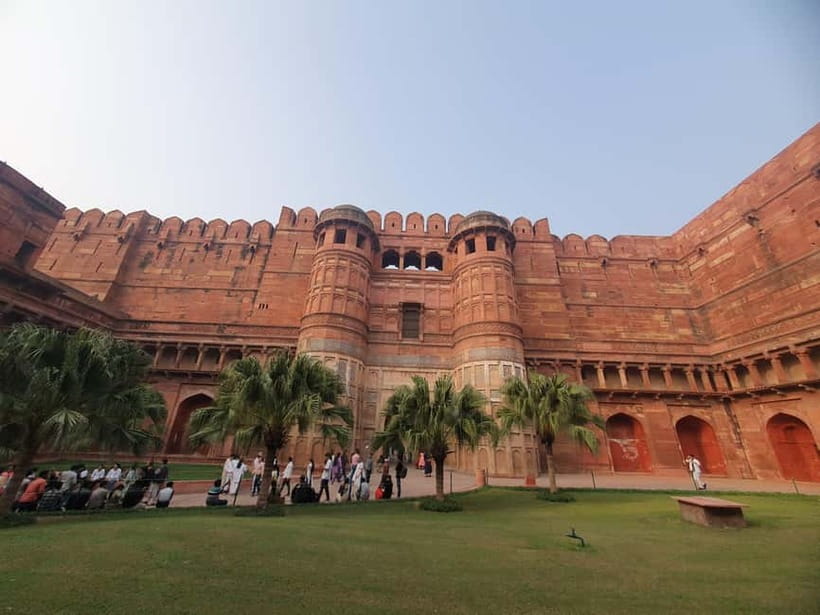
- Agra Fort guided visit with context on Akbar’s 16th-century fortress and its red sandstone look
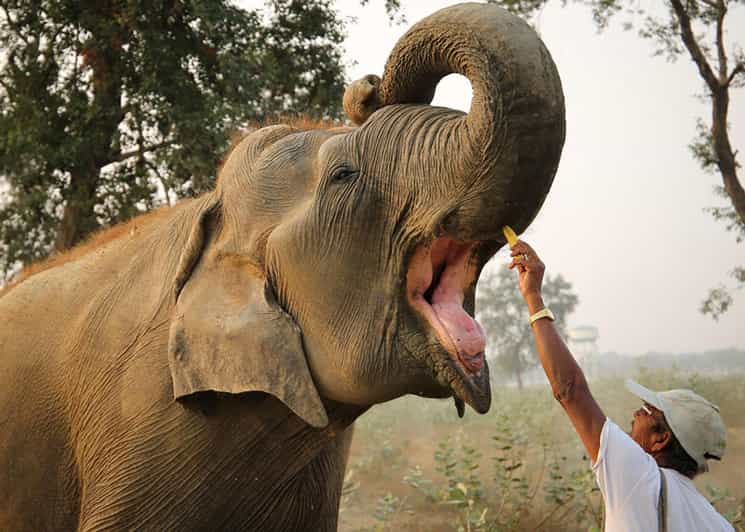
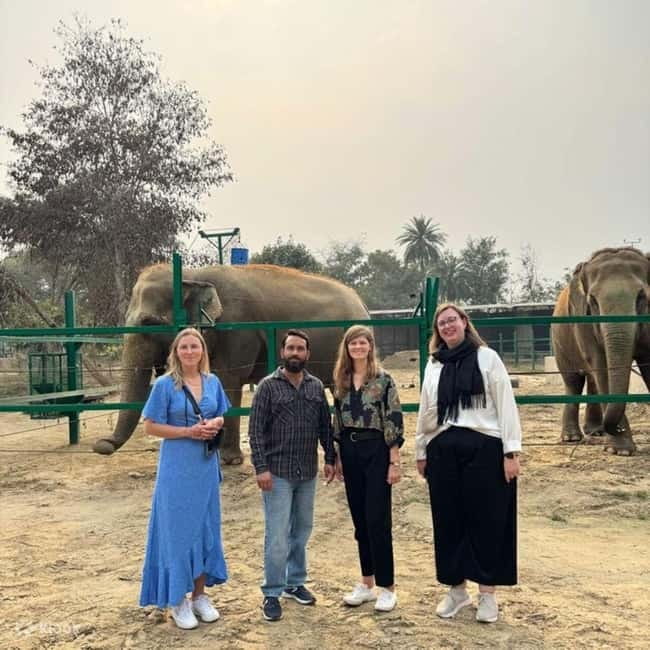
- Up to 2 hours at Wildlife SOS to see, learn, and participate in elephant care activities like feeding
- Lunch at a 5-star hotel if you select it, giving you a proper sit-down break without scrambling for food
Private Delhi-to-Agra Car, Pickup Choices, and Why Timing Matters
This tour is built around a simple promise: get you from Delhi (or the airport) to Agra with minimal stress. You’re picked up from your chosen spot in Delhi, Gurgaon, Noida, or the airport, then transferred by a private, air-conditioned car. The drive is listed as a peaceful 3-hour run, which matters because Agra days can otherwise feel like you’re burning your time in traffic.
Timing is the real game here. For the sunrise Taj Mahal version, you select a pickup at 2:00 AM or 2:30 AM. For a normal Taj Mahal tour, you can pick a time any point up to 10:00 AM. The earlier you go, the more you benefit from sunrise atmosphere, but you also pay with sleep and patience.
Two practical cautions. First, the Taj Mahal is closed every Friday, so you must avoid that day. Second, sunrise depends on conditions. If it’s foggy, rainy, or just hazy, you may not see a crisp sunrise line over the marble, but you can still enjoy the site in the softer light.
One thing I like is that the trip is designed as a private group. That usually means you’re not fighting for space at the meeting point or herded along like luggage. Still, remember you’re sharing the schedule of a structured day. If you want maximum freedom to linger, this is not that kind of tour.
More ways to see the Taj Mahal:
- From Delhi: Sunrise Taj Mahal Tour with Elephant SOS Center
★ 4.9 · 12 reviews - Same Day Taj Mahal, Agra Fort & Baby Taj Tour from Delhi by Car
★ 5.0 · 4,304 reviews
Taj Mahal Sunrise With Skip-the-Line Entry and Guided Focus
The headline is the Taj Mahal at sunrise, with a guided walk and time to explore the mausoleum. The plan includes a photo stop and a guided visit that typically covers around 2 hours for Taj Mahal time on the ground. You should also think in terms of time in the complex, often 2 to 3 hours depending on pace and access flow.
The big operational win is the skip-the-line approach via a separate entrance. You still need to plan your movement, but you lose the worst part of entry delays. Guides in this program are praised for handling tickets smoothly and steering you to the key viewpoints fast. In real-world experiences, guides like Vinod Kumar, Mohammed, Raj Gupta, and Abdul show up in comments for being attentive, guiding you through what to look for, and keeping the day organized even when weather or crowds shift.
At sunrise, your biggest challenge is not the ticket line. It’s energy. You’ll be tired, the air may be cool, and you’ll want to get your bearings quickly so you don’t spend precious moments confused about where you are. A good guide reduces that friction. A few experiences also mention guidance that can feel a bit rushed at times, so if you know you’re a slow-photo person, tell your guide early that you want steady time around the main marble areas.
Also watch for weather. In fog or rain, the Taj Mahal can look different, not worse, just different. A misty marble morning can be atmospheric. It won’t guarantee the classic sunrise photo everyone imagines, but it can still be stunning.
Agra Fort: Akbar’s Fortress, Red Sandstone, and a Guided Mughal Walk

After the Taj Mahal, you head to Agra Fort. This is not just a second checkpoint. The fort has its own “why,” especially if you like Mughal architecture and power symbolism. Built by Emperor Akbar in 1565 AD, it’s described as red sandstone with a mix of Hindu and Central Asian architectural styles.
Your time here is typically planned as a photo stop plus a guided tour for about 2 hours. That’s a realistic window if you want more than a perimeter stroll. The fort is wide, so having a guide to connect the dots helps you make sense of what you’re seeing. Agra Fort works well as a follow-up to the Taj because it gives you a different angle on the same era and a different type of grandeur.
One caution from real scheduling reality: if you run later than planned in the Taj Mahal complex, you may feel pressure here. In some experiences, the fort didn’t get the full time due to timing stress later in the day. So if Agra Fort is a must for you, keep an eye on pacing at the Taj Mahal and ask for a fair amount of time when you arrive.
If you enjoy learning while you walk, this segment tends to deliver. If you prefer free roaming, you might still enjoy it, but you’ll want to set a pace that doesn’t turn the fort into a photo sprint.
Mughlai Lunch at a 5-Star Hotel Stop and a Much-Needed Reset
Lunch is built into the day, and that is one of the quietly smart parts of the itinerary. You’ll take a break in Agra for 30 minutes. The listing says you can enjoy authentic Mughlai lunch at a 5-star hotel, but it is only included if you choose the lunch option.
Why this matters: Agra days can get expensive if you hunt for food on the run, and they can get exhausting if you’re constantly deciding. A set restaurant stop is a practical way to keep energy up for the afternoon elephant visit. Mineral water is also included, so you have at least one less thing to manage.
What to expect from the lunch: it’s described as local and international flavors. That wording usually means you won’t be trapped in one single type of menu. If you’re picky, still plan to treat it as a convenient midday meal rather than a culinary destination you’re judging by fine-dining standards.
If you skip the lunch option, you’ll still have a schedule break, but you’ll need to bring your own plan for food. For a day that starts before sunrise, having the meal included tends to be the more comfortable route.
Wildlife SOS Elephant Conservation and Care Center: Feeding, Learning, and Ethics
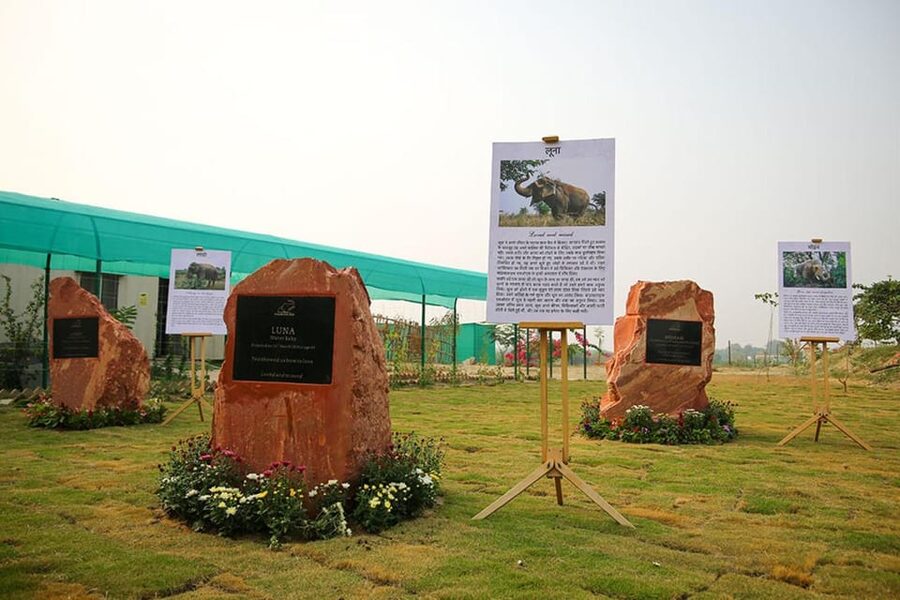
This is the emotional center of the day. After lunch and monuments, you go to Wildlife SOS (listed as the Elephant Conservation and Care Center). You get up to 2 hours for elephant care activities and wildlife viewing.
The activity focuses on conservation and rescue. You get a chance to meet and feed elephants as part of the sanctuary experience. In multiple experiences, people highlight that the elephant center actively teaches visitors about the impact of abuse and discourages practices like petting or riding. That’s a big deal for ethical tourism, because “see elephants” is not the same as “support elephant wellbeing.”
One concrete detail you should plan for: some experiences mention a donation around 2000 INR per person during the visit. This is separate from the charity label in the listing, so the safe expectation is that you may be asked to contribute once you arrive. If you care about this part, treat that donation as part of the cost of doing it right.
Because the elephant time is limited, go in with a calm mindset. You’re not there to browse endlessly. You’re there to learn and witness care routines in real conditions. If you’re an animal lover, this segment often leaves a stronger impression than the marble because it’s direct and hands-on, but also educational and grounded.
Weather, Shopping Stops, and How to Keep Your Day From Getting Rushed
A one-day loop from Delhi to Agra will always have friction points. The key is knowing where friction tends to appear.
Weather is one. Fog can erase the sunrise moment. Rain can change walking conditions and lighting. In wet conditions, you’ll want comfortable shoes and patience. You can still enjoy the Taj Mahal in misty light, but don’t assume you’ll always get the classic sunrise photo.
Pacing is another. Some experiences praise guides for excellent detail and ticket help, while other experiences say the day can feel rushed. Sometimes that comes down to group timing, sometimes it’s simply the operator trying to fit every component in.
Shopping stops show up in some versions of the day. People mention visits to places selling handcraft items and Kashmiri-style goods like pashminas, and other times a rug shop. The listing itself does not spell out shopping, so treat this as a possibility, not a guarantee. Still, if shopping is not your thing, say so early. Ask your guide to prioritize monument time over store time, especially at the Taj Mahal.
Finally, keep your logistics calm. A couple experiences mention pickup hiccups when hotel details change close to departure, and the driver and operator handled it with flexibility. That’s common in Delhi-area travel. The practical move is to confirm your pickup location clearly the day before, keep your phone charged, and be ready for early coordination.
Price and Value: How $13 Can Still Cover a Private Car and Big Sights

Let’s talk value honestly, because the number stands out. The price is listed at $13 per person, with a duration that can run 4 to 10 hours depending on the option and pickup time.
At that price, the value story only works if you understand what is included and what is optional. Included items listed are a private AC car with driver, tour guide for all monuments, pickup and drop off, and elephant conservation visit, plus mineral water and all taxes. Entrance fees to monuments are included only if you select the entrance option. Mughlai lunch at the 5-star hotel is included only if you select the lunch option.
So the best way to think of it is this: you’re paying for a guided, structured “from Delhi to the icons” day, with conservation ethics at the center, and with the comfort of private transfers. The skip-the-line entry is also part of the value because it reduces the most time-wasting friction at the Taj.
Is the schedule tight? Yes. That’s the trade. Some people feel the day is too long or too compressed. Others feel it’s perfectly organized. If you want slow museum-style exploration, you might find the time windows limited. If you want a smooth, efficient highlight day that still includes real conservation work, this is strong value.
Should You Book This Delhi Sunrise Taj Mahal and Elephant SOS Tour?
Book it if you want two things at once: a top-tier monument day with guided skip-the-line Taj Mahal entry, and a conservation-focused elephant experience at Wildlife SOS where feeding and learning are part of the visit. It also suits you if you prefer a private car and one guided team managing the flow between stops.
Skip it or adjust expectations if any of these fit you: you hate early mornings, you expect a leisurely, unhurried Taj Mahal visit, or you strongly dislike shopping stops that may appear in some schedules. Also, avoid Fridays because the Taj Mahal is closed.
My practical checklist before you go: pack warm layers for a pre-dawn start, wear shoes that handle long walks, bring patience for weather and timing shifts, and be clear with your guide about how much time you want at each main site. If you do that, you’re set up for a day that mixes marble beauty with real-world animal care in a way most Agra trips do not.
FAQ
What is the duration of the Delhi to Agra Taj Mahal and Elephant SOS tour?
The tour duration is listed as between 4 and 10 hours, depending on your pickup time and selected options.
Where does pickup happen?
Pickup is available from your desired location in Delhi, Gurgaon, Noida, or from the airport.
What time do I need to be picked up for the Taj Mahal sunrise tour?
For the sunrise version, pickup is listed at 2:00 AM or 2:30 AM. For a normal Taj Mahal tour, you can choose any time up to 10:00 AM.
Is the Taj Mahal ever closed during this tour?
Yes. The Taj Mahal is closed every Friday.
How long will I spend at the Taj Mahal?
The Taj Mahal portion includes a photo stop and a guided visit, with around 2 hours planned for Taj Mahal time.
Is lunch included?
Mughlai lunch at a 5-star hotel is included only if you select the lunch option. Lunch time is listed as about 30 minutes.
What do I do during the Elephant SOS visit?
You visit Wildlife SOS, spend up to 2 hours at the Elephant Conservation and Care Center, and you can meet and feed elephants.
Are monument entrance fees included?
Entrance fees to monuments are included only if you select the entrance fees option. Otherwise, they are not listed as included.
What languages are the live guides available in?
The tour guide is listed as available in English, Spanish, Italian, and French.
Latest reviews in from Mathura
- From Delhi: Sunrise Taj Mahal Tour with Elephant SOS Center★ 4.9 · 12 reviews
- From Agra: SOS Elephant Conservation & Bear Rescue Day Trip★ 4.9 · 15 reviews
Taj Mahal Tours, compared.

Same Day Taj Mahal, Agra Fort & Baby Taj Tour from Delhi by Car
Read our review →
Taj Mahal Day Tour from Delhi by Superfast Train – TOP RATED TOUR
Read our review →
Full Day Taj Mahal, Agra Fort & Baby Taj Tour from Delhi by Car
Read our review →
Taj Mahal & Agra Private Day Trip with Transfers
Read our review →
Taj Mahal Tour from Delhi by Express Train (Viator Award Winner)
Read our review →
All Inclusive Private Taj Mahal Luxury Tour from Delhi by Car
Read our review →
Same Day Taj Mahal, Fort & Baby Taj Tour from Delhi by Car
Read our review →