
Reviewed · COOKING CLASSES
Traditional Gowda Cooking Class and Meal in a Bangalore Home
If you want Bangalore food culture the way families actually pass it on, this Traditional Gowda Cooking Class in a home setting is a smart pick. I like how much time you spend cooking with family-style coaching, and I like that the meal is served Gowda style right after your prep, on a banana leaf.
I also appreciate that you’re treated like a small group, not shuffled through a restaurant line. One thing to plan for though, there’s no hotel pickup, and the class starts in Rajajinagar, so you’ll want your own transport figured out.
Key things that make this class special
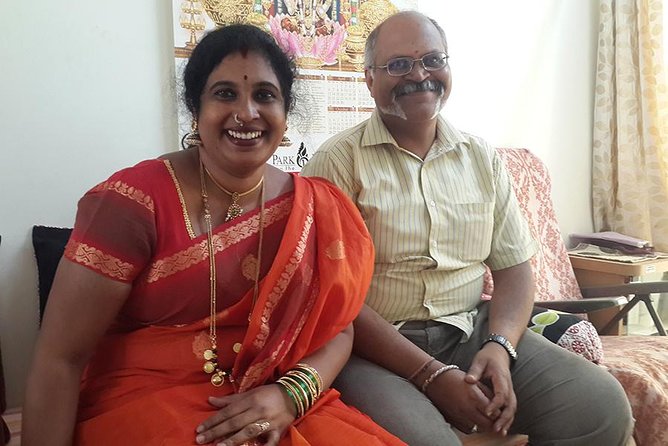
- A real Bangalore home experience with Archana and her family hosting you
- Hands-on cooking of 2 to 3 traditional Gowda dishes during the lesson
- Welcome drink and snack spread before you even start cooking
- A banana leaf meal where you sit down and eat what you helped make
- Rooftop herb time (some groups walk out to pick herbs before cooking)
- Vegetarian option available, if you ask when booking
Why a Gowda cooking class in a Bangalore home feels different than eating out
This isn’t just about learning recipes. It’s about seeing how South Indian flavors are built from staples, then tasting that logic on your plate. Gowda cuisine in particular can be hard to find “correctly” outside of family kitchens, so when someone like Archana shares how her family cooks, you learn the why, not only the what.
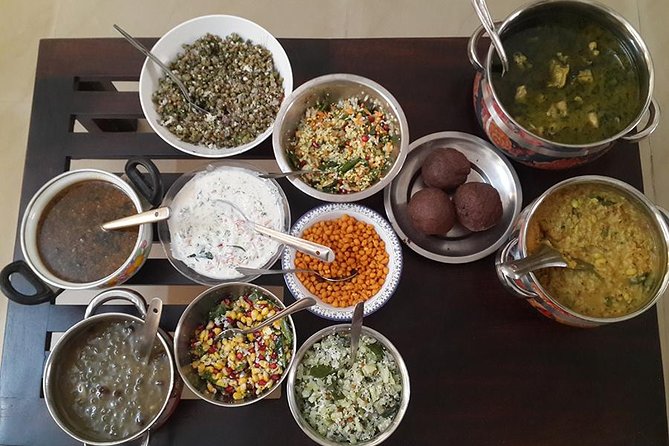
I like that the class stays practical. You’re not watching from a chair while someone else cooks. You get hands-on help as you prepare classic dishes like bisi bele huli anna (rice with vegetables and lentils) and ragi mudde (millet flour balls). And you also get a chance to handle breads and stews that many people only ever see on menus.
The other reason I rate this experience so highly is the meal setup. Eating on a banana leaf, while sitting on the floor, changes the whole vibe. It forces you to slow down and treat the meal like a full event, not a quick stop.
More Cooking Classes in Bangalore:
- Private Cooking and Dining Experience in Bengaluru
★ 5.0 · 35 reviews - Pink City Cooking Class
★ 5.0 · 452 reviews - Five Course Cooking Class & Meal
★ 5.0 · 250 reviews
Getting to Rajajinagar and handling the no-pickup logistics
The meeting point is Rajajinagar, Bengaluru, and the activity ends back there. There’s no hotel pickup or drop-off, so treat this like an appointment you navigate yourself.
This matters because Rajajinagar is an urban area with public transport nearby, which is good news. If you’re already staying in central Bangalore, you might find getting there easy with metro and a short taxi or auto rickshaw hop. If you’re far out, you’ll want to budget a bit more for the ride so you arrive on time for the start.
Also, because it ends back at the meeting point, plan your next activity with that in mind. You don’t want a tight schedule that depends on transportation that isn’t included.
Welcome drink, snack starters, and a quick taste of family hospitality
Before you cook, you’re welcomed with paanaka, a lemony sweet drink made with sugar. It’s a simple touch, but it sets the tone. You’ll usually snack first, then transition into ingredient prep.
Expect starters such as kosambari (lentil salad) and neruli bajji (fried onion fritters). You might also see crisp snacks like nippat, chakli, or usli, depending on what’s being prepared that day. This “snack phase” is useful for you. It gives your palate a warm-up before the heavier dishes, and it helps you understand how many small components can make one meal feel complete.
Some groups also get a short walkthrough to a rooftop garden to select herbs before cooking. Even if that part is brief, it adds a grounded, practical layer. You’re not just learning recipes, you’re learning ingredients as they actually exist around a home.
Cooking class flow: what you will make in 3 hours
The class runs about 3 hours and is private for your group. During that time, you typically prepare 2 to 3 traditional Gowda dishes, with plenty of on-the-job help. You’ll get guidance from Archana, and you may also meet family members who pitch in and share details.
The dishes mentioned for this experience include:
- Bisi bele huli anna: rice with vegetables and lentils
- Holige: lentil-stuffed flatbread
- Ragi mudde: millet flour balls
- Mamsada saaru: stewed mutton
- Plus sweets for dessert (traditional Gowda sweets)
That list might sound like a lot for one afternoon, but the “2 to 3 dishes” structure is the key. You’ll focus on a manageable set, and you’ll get help if your cooking moves slower than the pace in a home kitchen.
Line these Bangalore options up side by side
- 5 Senses Tour – Old + New Delhi, Workshops, Lunch all inclusive
★ 5.0 · 386 reviews - Veg and Non veg : Private Cooking Class in Delhi home (7 meal)
★ 5.0 · 226 reviews - Indian Cooking Class in an Authentic Local Home – Learn 6 Dishes
★ 5.0 · 195 reviews - Durga Cooking Class
★ 5.0 · 159 reviews
What hands-on help really means here
Cooking classes can be vague. This one is specific about the hands-on part, and you can feel that in the teaching style. You’re guided as you work with staple ingredients, from measuring and mixing to forming and cooking. The goal is for you to leave knowing what to do next time, not just what something is called.
A practical tip: your dietary choices matter
A vegetarian option is available, but you should tell the provider when booking. That matters because some menu items include meat, including mutton in mamsada saaru. If vegetarian is important to you, confirm your plan up front so the menu matches your needs.
Also, if you have any other dietary requirements, advise them at booking. The experience is built around home cooking, so the more accurate the info you give, the smoother the meal will be.
From ingredients to flavor: the Gowda dishes worth paying attention to
Let’s talk about what these foods teach you, beyond the names.
Bisi bele huli anna: a comfort dish with structure
Bisi bele huli anna is rice, vegetables, and lentils brought together into one cohesive bowl. When you help make it, you learn that the magic isn’t only heat. It’s timing, the balance of textures, and getting vegetables and lentils cooked to the right softness.
Even if you’ve eaten similar dishes before, you’ll likely notice the specific way it’s assembled here. It’s a reminder that “South Indian” is not one flavor system. It’s many.
Ragi mudde: a millet skill, not a gimmick
Ragi mudde is millet flour formed into balls and typically eaten with sides. Cooking and shaping ragi is a different kind of task. It’s hands-on, and it gives you a real sense of how rural Karnataka eating habits work, especially since ragi is a major staple there.
If you’re the type who likes learning staple foods, this is one of the most satisfying parts of the class.
Holige: the flatbread you can actually replicate
Holige is lentil-stuffed flatbread. If you’ve ever struggled with stuffed breads, you’ll appreciate the chance to try. A good class doesn’t just say “stuff it.” It teaches how to portion and how to handle the dough so it seals properly.
This is one of those dishes where you leave with confidence. Later, you can recreate it for friends at home, and you’ll know what should feel right as you go.
Mamsada saaru: if you eat meat
Mamsada saaru is stewed mutton. If your group is making it, it’s a chance to see how stews become sauce you eat with the meal. If you’re not eating meat, the vegetarian menu route is the better fit.
Banana leaf dining: what the meal teaches you about order and portions
After cooking, you sit down to eat a full meal that you helped prepare. The meal is served on a banana leaf, and you’ll eat on the floor as is typical for this style of service.
That setup sounds “different,” but it’s also practical. It encourages you to eat in a logical flow. Starters first, then mains, then dessert. You get to taste a range of textures, not only one heavy dish.
Starters and sides
You can expect the kinds of starters introduced earlier, such as kosambari and fried onion fritters, plus crisp snacks. The meal doesn’t treat these as add-ons. They act like companions for the main dishes.
Main dishes
Main courses are likely to include items you cooked during class, such as holige, ragi mudde, and bisi bele huli anna. If your group is making mutton, mamsada saaru may appear too. The point is that you’re not eating a random buffet. You’re eating your own work.
Dessert and drinks
For dessert, you get traditional Gowda sweets. And with the whole meal, the expectation is that you’re eating what the kitchen is built around, not just “tour food.” The paanaka and snack stage also set you up for that shift into dessert without feeling rushed.
One more note from the overall vibe: people tend to remember this meal as much for the conversation as for the food. Archana shares family recipes and cultural traditions as you eat, and it adds meaning to each bite.
Price and value: does $74 per person make sense?
At $74 per person, this class is priced like a serious food experience, not a casual demo. The value comes from two main things that matter in real life.
First, it’s private for your group, with hands-on teaching and help. Second, the price includes both the cooking class and the home-cooked meal, meaning you’re not paying extra for food afterward.
There are also practical value signals in the details:
- You’re learning recipes that are harder to find “right” outside local homes.
- You get a full sequence, drink and snacks first, cooking in the middle, then dessert and sweets.
- There’s a vegetarian option if you plan ahead.
The main value tradeoff is logistics. Since there’s no hotel pickup, you’ll spend a bit on transit. Still, if you can get to Rajajinagar without stress, the all-in food and lesson time is a solid deal for Bangalore.
Who this experience fits best, and who should think twice
This fits you if:
- You want hands-on cooking, not a short watch-and-leave activity
- You enjoy food that’s strongly regional, like Gowda Karnataka staples
- You like learning family recipes and hearing how people cook at home
- You’re okay with sitting down for a banana leaf meal
You might think twice if:
- You want a very polished, studio-style class with no home setting
- You dislike eating in a more traditional floor-and-leaf setup
- You have tight timing that depends on included transportation, since pickup and drop-off are not provided
Quick FAQ
FAQ
What dishes will I learn to cook?
You will learn to prepare 2 to 3 traditional Gowda dishes. Examples include bisi bele huli anna (rice, vegetables and lentils), holige (lentil-stuffed flatbread), ragi mudde (millet flour balls), and mamsada saaru (stewed mutton).
How long is the cooking class and meal?
The experience lasts about 3 hours.
Is the experience private?
Yes. It is a private tour or activity, and only your group participates.
Where does the class start and end?
It starts in Rajajinagar, Bengaluru, Karnataka, India, and ends back at the same meeting point.
Is there a hotel pickup or drop-off?
No. Hotel pickup and drop-off are not included.
What is included in the price?
The price includes the private authentic Gowda cooking class and a home-cooked South Indian meal.
Is there a vegetarian option?
Yes. A vegetarian option is available. You should advise at booking if you want vegetarian.
What should I tell the provider about dietary needs?
You should advise any specific dietary requirements at the time of booking.
How soon will I get confirmation after booking?
Confirmation is received within 48 hours of booking, subject to availability.
How far in advance should I book?
On average, this is booked 15 days in advance.
What is the cancellation policy?
You can cancel for free up to 24 hours in advance of the experience for a full refund.
Should you book this Bangalore Gowda cooking class?
If your goal is authentic food culture in a real home, this is an easy yes. The mix of hands-on cooking, a banana leaf meal you eat right after cooking, and the family teaching style gives you more than a recipe sheet. You’ll walk away with practical skills around staple dishes like bisi bele huli anna and ragi mudde, plus a clear sense of how a Gowda meal is built.
Book it if you can reach Rajajinagar on your own and you’re comfortable with a traditional eating setup. Skip it only if you want transportation included or you strongly prefer a conventional restaurant format.
Latest reviews in from Bangalore
- Bangalore: UNESCO Belur & Halebidu + Shravanabelagola Tour★ 5.0 · 26 reviews
- Filter Kaapi: A food walk by tourism ministry approved company★ 5.0 · 26 reviews
- Treasures of Mysuru – day tour★ 5.0 · 27 reviews
- Bangalore Running Tour with Breakfast★ 5.0 · 27 reviews
- Bangalore Evening Food Street Walk and Market Visit★ 5.0 · 32 reviews
- Private Cooking and Dining Experience in Bengaluru★ 5.0 · 35 reviews
- 2-Day Tour to Taj Mahal and Agra from Bangalore with Both Side Commercial Flight★ 5.0 · 36 reviews
- Affordable Bangalore Airport Transfer★ 4.0 · 45 reviews
Cooking Classes, compared.
Veg and Non veg : Private Cooking Class in Delhi home (7 meal)
Read our review →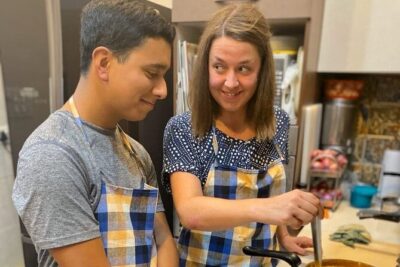
Indian Cooking Class in an Authentic Local Home – Learn 6 Dishes
Read our review →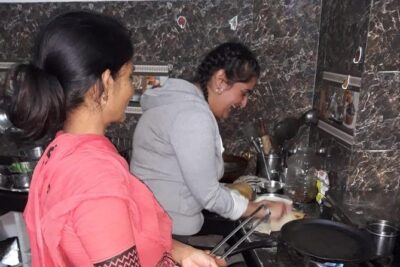
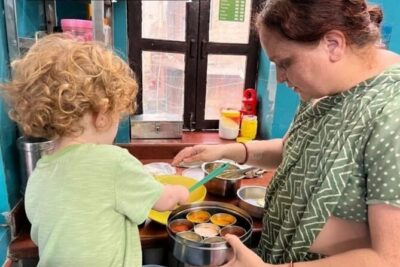
Private Guided Cooking Workshop Experience in Jodhphur
Read our review →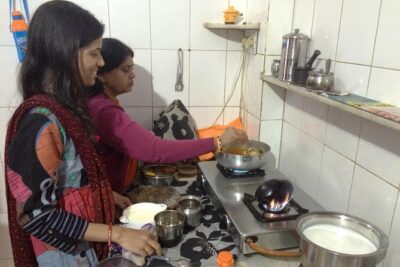
Jaipur Market Tour & Vegetarian Rajasthani Home Cooking Class
Read our review →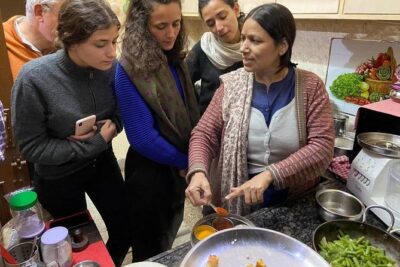
Cooking Class in Jaipur – Family Experience with Meal & Transport
Read our review →Browse the lists this tour appears in